What Is Modern Art and How Does It Reflect Modern Life?
TL;DR
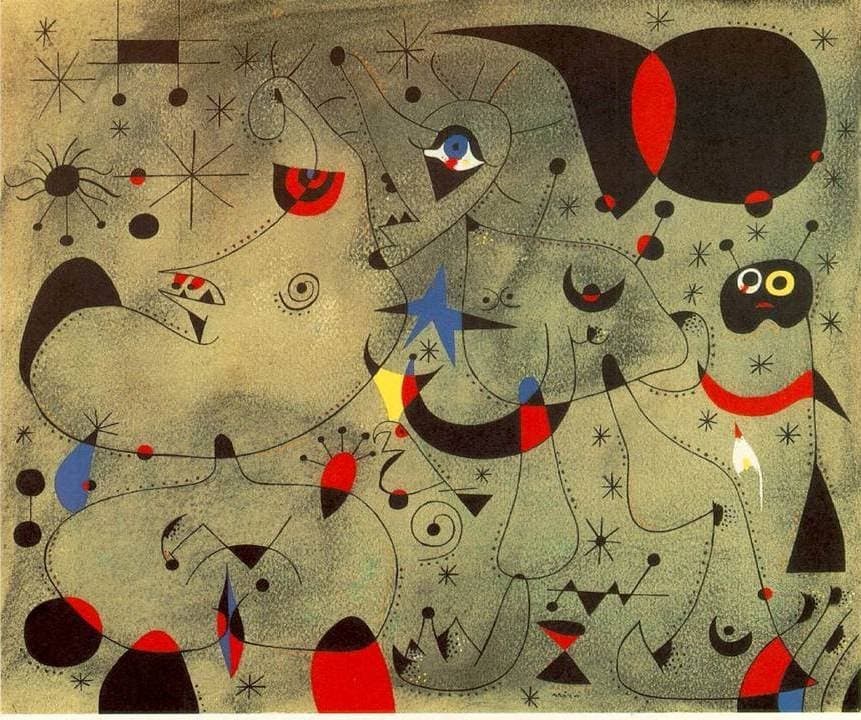
Modern art represents the transient and contingent nature of contemporary life, challenging traditional ideas of representation and timeless truths. It encompasses various media and reflects the influence of modernity, encouraging viewers to engage actively with the complexities of the modern experience rather than seek eternal representations.
Transcript
gram College presents thinking theologically about Modern Art part two Modern Art the art of Modern Life by Professor George Patterson so it's a very great pleasure to welcome as our next speaker George Patterson who uh is the lady Margaret professor of divinity in the University of Oxford um George is um one of the few theologians who's who's real... Read More
Key Insights
- 🥰 Defining modern art has been a subject of intense debate among art critics and scholars throughout history.
- 🥰 Modern art reflects the influence of modernity and technological advancements on artistic expression.
- 🛟 It challenges traditional notions of representation and eternal truths, focusing instead on the transient and contingent nature of modern life.
- 🌍 Modern art can be seen as a means of engaging with the ever-changing world and questioning rigid religious beliefs and values.
Install to Summarize YouTube Videos and Get Transcripts
Explore YouTube Video Summarizer or Get YouTube Transcript Extractor
Questions & Answers
Q: How has the definition of modern art evolved over time?
The definition of modern art has been contested and redefined throughout history, as different art movements and critics offered their perspectives on what constitutes modern art. It continues to evolve as artists push the boundaries of traditional artistic practices.
Q: How does Baudelaire's concept of the painter of modern life challenge traditional views of art?
Baudelaire's concept suggests that modern art is not limited to classical or historical subjects, but focuses on capturing the essence of contemporary life. This challenges the notion that great art is only found in classical works or traditional genres.
Q: How does modern art reflect the influence of modernity on artistic expression?
Modern art incorporates new media and techniques, such as film, photography, and abstraction, that emerged alongside the industrial and technological advancements of modernity. It embraces the complexities and contradictions of modern life, capturing its vibrancy and transitory nature.
Q: How does modern art challenge traditional religious beliefs and values?
Modern art's emphasis on autonomy, conceptualization, and the present can clash with religious traditions that prioritize eternal and timeless truths. Its engagement with transient and contingent aspects of life may be seen as incompatible with religious notions of permanence and transcendence.
Summary & Key Takeaways
-
Modern art has been defined and contested throughout history, leading to debates among art critics and scholars about its boundaries and definition.
-
Charles Baudelaire's essay "The Painter of Modern Life" suggests that modern art is simply the portrayal of contemporary life, capturing its transitory and present nature.
-
Modern art encompasses a variety of media and genres, from paintings to films, and reflects the influence of modernity on artistic expression.
-
Understanding modern art requires recognizing its engagement with the transient and contingent aspects of modern life, rather than seeking to represent timeless and eternal truths.
Read in Other Languages (beta)
Share This Summary 📚
Summarize YouTube Videos and Get Video Transcripts with 1-Click
Try YouTube Summary with ChatGPT & Claude or YouTube Transcript Generator
Explore More Summaries from Gresham College 📚

Summarize YouTube Videos and Get Video Transcripts with 1-Click
Try YouTube Summary with ChatGPT & Claude or YouTube Transcript Generator