What Is South African Jazz and Its Cultural Impact?
TL;DR
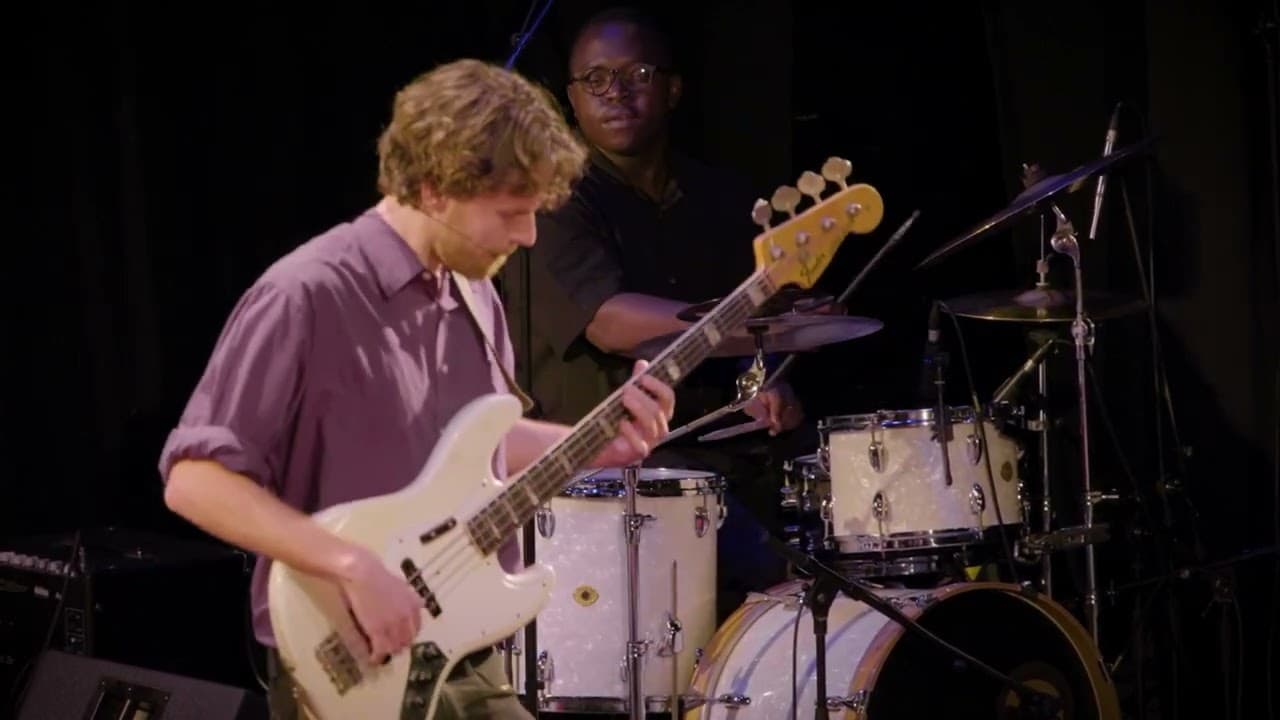
South African Jazz emerged as a unique musical language during the early 20th century, blending local traditions with American jazz and gospel. It served as a cultural bridge in apartheid South Africa, promoting healing and expression. Improvisation is key, allowing musicians to communicate and process their environment through music.
Transcript
South African Jazz is one of the oldest Jazz languages outside the US um during the rapid forc urbanization of the early 20th century people needed a way to connect with each other and their ancestors as well as protest heal and express the world around them drawing from local traditional musics American Jaz and gospel we developed a new and distin... Read More
Key Insights
- South African Jazz is one of the oldest Jazz languages outside the US.
- It developed during the early 20th century amid rapid urbanization.
- The music blended local traditions with American jazz and gospel.
- It served as a way to connect with ancestors and protest social issues.
- The genre evolved from big bands to marabi and kwela bands over decades.
- Improvisation is a crucial element, enabling real-time communication.
- Jazz in South Africa helped bridge cultural gaps during apartheid.
- The music reflects and processes environmental dissonance creatively.
Install to Summarize YouTube Videos and Get Transcripts
Explore YouTube Video Summarizer or Get YouTube Transcript Extractor
Questions & Answers
Q: How did South African Jazz originate?
South African Jazz originated in the early 20th century during a period of rapid urbanization. It emerged as a fusion of local traditional music with American jazz and gospel, creating a distinctive cultural language. This genre provided a means for people to connect with their ancestors, protest social injustices, and express their experiences in a changing world.
Q: What role did improvisation play in South African Jazz?
Improvisation is a fundamental element of South African Jazz, allowing musicians to communicate spontaneously with each other and their audience. This real-time musical dialogue enables artists to reflect and process their surroundings, addressing societal dissonance creatively. Improvisation also fosters a unique connection between performers and listeners, enhancing the expressive power of the music.
Q: How did South African Jazz evolve over time?
South African Jazz evolved from the big band sound of the 1930s and 40s to the more localized marabi and kwela bands of the 50s and 60s. This evolution paralleled developments in American jazz while incorporating indigenous musical elements. The genre's adaptability allowed it to resonate with various cultural influences, making it a dynamic and enduring form of expression.
Q: What cultural impact did South African Jazz have during apartheid?
During apartheid, South African Jazz served as a cultural bridge, providing common ground for people of different backgrounds. It offered a platform for protest and healing, helping to address the social and political challenges of the time. The music's ability to unite diverse communities made it a powerful tool for expression and resistance against the oppressive regime.
Q: How does South African Jazz reflect societal challenges?
South African Jazz reflects societal challenges by using music to process and resolve environmental dissonance. Through improvisation and creative expression, musicians address social issues, offering commentary and insight into the complexities of their surroundings. This reflective quality makes the genre a vital means of understanding and coping with the realities of life in South Africa.
Q: What musical influences shaped South African Jazz?
South African Jazz was shaped by a blend of local traditional music, American jazz, and gospel. This fusion created a unique sound that resonated with diverse cultural influences. The incorporation of indigenous rhythms and melodies, combined with the improvisational nature of jazz, resulted in a distinctive musical language that continues to evolve and inspire.
Q: Why is South African Jazz considered a unique musical language?
South African Jazz is considered a unique musical language because it combines elements of local traditional music with American jazz and gospel, creating a sound that is distinctly South African. This blend of influences, along with its focus on improvisation and cultural expression, allows the genre to address social issues and connect with audiences in meaningful ways.
Q: How does South African Jazz connect with audiences?
South African Jazz connects with audiences through its improvisational nature and cultural resonance. Musicians engage listeners by reflecting on societal issues and personal experiences, creating a shared understanding and emotional connection. The genre's ability to convey complex emotions and narratives through music allows it to resonate deeply with diverse audiences, fostering a sense of community and belonging.
Summary & Key Takeaways
-
South African Jazz originated in the early 20th century as a fusion of local traditional music with American jazz and gospel, creating a unique cultural language. It played a significant role in connecting people and addressing social issues during the colonial and apartheid eras, evolving from big bands to marabi and kwela styles.
-
Improvisation is a vital component of South African Jazz, allowing musicians to communicate with each other and their audience in the moment. This musical expression serves as a means to resolve dissonance in the environment, providing healing and understanding through creative reflection of societal challenges.
-
The evolution of South African Jazz highlights its importance as a cultural bridge, offering common ground in a divided society. By drawing from diverse influences and focusing on improvisation, it has become a powerful tool for expression, protest, and healing, reflecting the complex history and resilience of the South African people.
Read in Other Languages (beta)
Share This Summary 📚
Summarize YouTube Videos and Get Video Transcripts with 1-Click
Try YouTube Summary with ChatGPT & Claude or YouTube Transcript Generator
Explore More Summaries from TEDx Talks 📚
Summarize YouTube Videos and Get Video Transcripts with 1-Click
Try YouTube Summary with ChatGPT & Claude or YouTube Transcript Generator