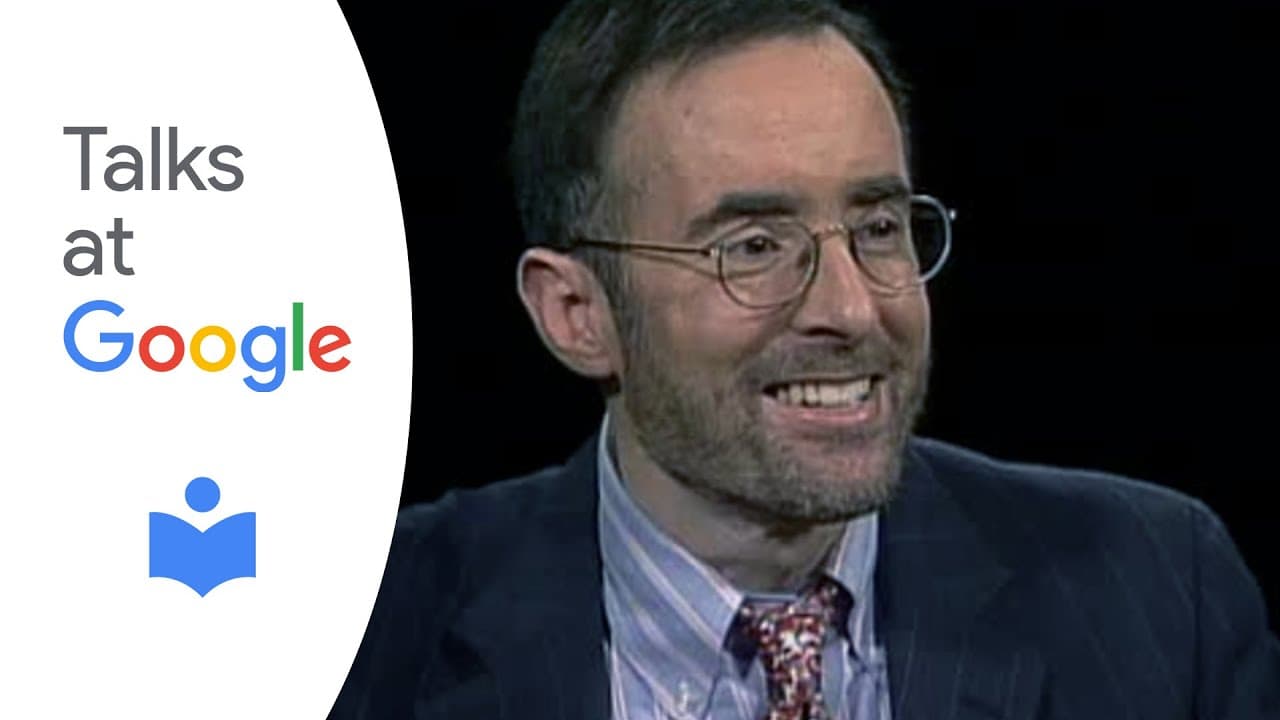
Fair Food | Oren Hesterman | Talks at Google
TL;DR
Creating a fair food system requires people to become engaged citizens, not merely conscious consumers. Oran Hesterman argues that healthy food must be accessible to everyone and that change must encompass how food is grown, packaged, delivered, marketed, sold, and governed by public policy. He illustrates the urgency with Detroit’s severe food-access problems and a prediction of $345 billion in annual obesity-related treatment costs by 2018. Read on for practical paths toward reform.
Transcript
Female Presenter: Good afternoon, everyone. Authors@Google New York is pleased to welcome today Dr. Oran Hesterman. Dr. Hesterman is the president and CEO of Fair Food Network. And he is here today to present his book Fair Food: Growing a Healthy, Sustainable Food System for All. As stated in the bio of his book if you read on the cover there, f... Read More
Key Insights
- 😋 Shifting from a conscious consumer to an engaged citizen is crucial for creating a healthy and sustainable food system.
- 😋 Local and organic food is more affordable than commonly believed.
- 😋 Policy changes, such as subsidies for sustainable farming practices, can support the transition to a fair food system.
- 🥘 Education and outreach are necessary to help low-income communities understand that healthy food is accessible and affordable.
- 😋 Local and seasonal food go hand in hand, as eating seasonally drives consumption of locally produced food.
Install to Summarize YouTube Videos and Get Transcripts
Explore YouTube Video Summarizer or Get YouTube Transcript Extractor
Questions & Answers
Q: What can individuals do to help create a fair food system?
Hesterman says the single most important action is to transform from a conscious consumer into an engaged citizen. Beyond personal food choices, people can volunteer, lobby, support grassroots efforts, and advocate for changes to the wider food system.
Q: What does Oran Hesterman mean by a fair food system?
He describes a food system that is healthy and sustainable for everybody, with access extending beyond people who already live in healthy food environments. Reform must address how food is grown, packaged, delivered, marketed, sold, and handled through public policy.
Q: Why does food access matter for health?
Hesterman’s hospitalization with ulcerative colitis showed him the importance of both knowing what food his body needed and being able to obtain it. He argues that many people lack either that knowledge or access to fresh, healthy food.
Q: What example does Hesterman give of a food desert?
He identifies Detroit as possibly the country’s most severe food-desert situation. According to the talk, more than half of Detroit’s population lacked access to fresh and healthy food, and the city had not had a single supermarket since 2007.
Q: Why does Hesterman consider food-system reform economically urgent?
He recounts a health-insurance executive’s prediction that treating obesity-related illness in the United States would cost $345 billion annually by 2018. Hesterman uses that projection to argue that unhealthy food environments could create an unbearable burden for insurers, the country, and people paying for health care.
Q: Does creating a fair food system mean only buying organic food?
No. Hesterman’s framework goes beyond eating organic and examines the full system through which food is produced and distributed. It includes growing, packaging, delivery, marketing, sales, and public policy.
Q: How can the transition to a fair food system become economically viable?
Hesterman recommends supporting local farmers and developing regional food infrastructure. He also points to increased demand, assistance for farmers adopting sustainable practices, policy changes, volunteering, lobbying, and grassroots action.
Q: Are vegetarianism and reduced meat consumption required for a healthier food system?
Hesterman does not present vegetarianism as a requirement. He does, however, identify reducing meat consumption as important for environmental sustainability while describing healthy food primarily in terms of fresh fruits and vegetables.
Summary & Key Takeaways
-
Dr. Hesterman discusses the need for change in the way we eat and produce food, focusing on not just organic consumption, but also how food is grown, delivered, and addressed by public policy.
-
He shares personal experiences with the importance of having access to healthy food and discusses the issue of food deserts, particularly in inner-city communities.
-
Dr. Hesterman emphasizes the urgency of caring about the food system, as it impacts our health, economic stability, and overall well-being.
Read in Other Languages (beta)
Share This Summary 📚
Summarize YouTube Videos and Get Video Transcripts with 1-Click
Try YouTube Summary with ChatGPT & Claude or YouTube Transcript Generator
Explore More Summaries from Talks at Google 📚


Summarize YouTube Videos and Get Video Transcripts with 1-Click
Try YouTube Summary with ChatGPT & Claude or YouTube Transcript Generator