What Evidence Did the Forensic Scientist Examine in Dooley Case?
TL;DR
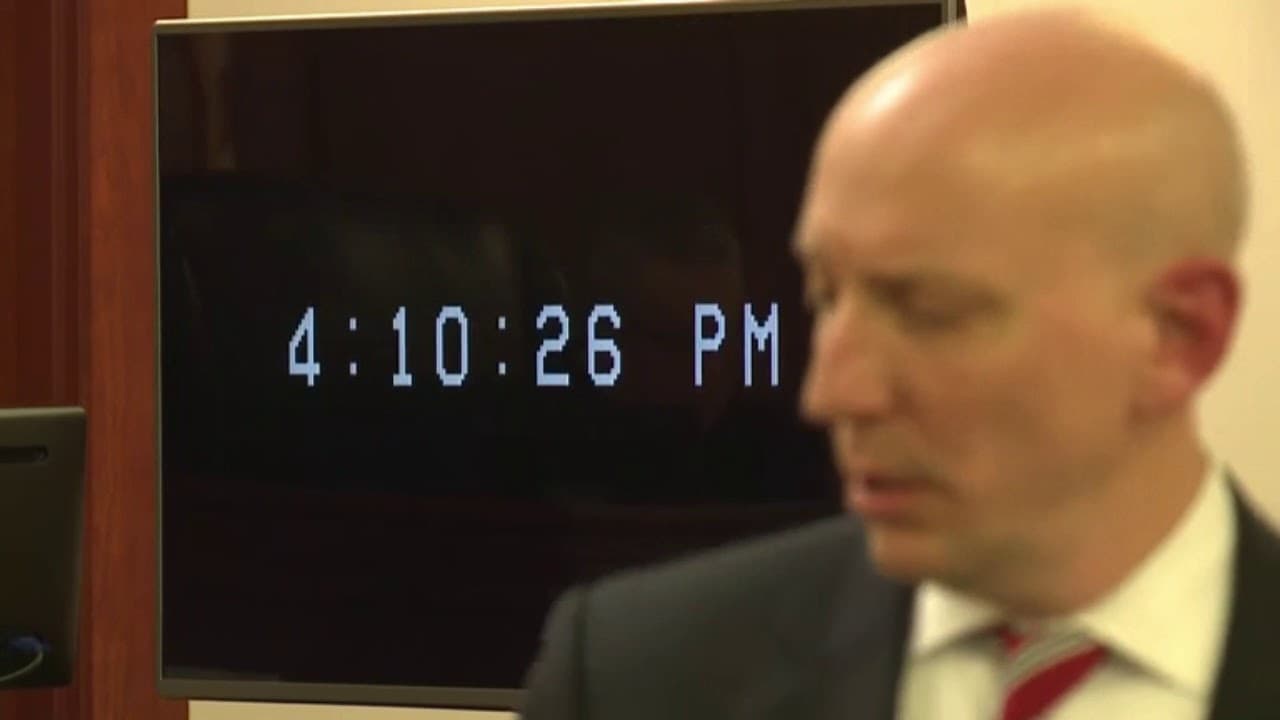
The forensic scientist examined various evidence items, including clothing and swabs, conducting presumptive tests for blood, semen, and saliva. Items with potential DNA evidence were sent to the central lab for further analysis, while others were returned to the investigating agency, emphasizing the importance of contamination prevention and proper evidence handling.
Transcript
protective element backup just conditions it was quick temperature was gonna be over though it was extremely hot and with the Tyvek suit it is a suit that is designed to prevent transfer of evidence from either the scene to me or me to the scene yes you know there's a lot lot going on especially a lot of moving parts and we try to control everythin... Read More
Key Insights
- 🖐️ Forensic scientists play a crucial role in analyzing crime scene evidence to provide insights into the case.
- ❓ The examination of bodily fluids can provide important clues and evidence for further investigation.
- 🥡 Precautions are taken to minimize contamination and ensure the integrity of the evidence.
- 🧑🔬 Collaboration between forensic scientists and investigating agencies is essential for a comprehensive analysis.
- ⛓️ The submission and handling of evidence follow strict protocols and guidelines to maintain chain of custody and admissibility in court.
- 🍻 DNA analysis is a valuable tool in identifying individuals and linking them to the crime scene.
- ⌛ The process of forensic analysis is time-consuming and requires attention to detail and accuracy.
Install to Summarize YouTube Videos and Get Transcripts
Explore YouTube Video Summarizer or Get YouTube Transcript Extractor
Questions & Answers
Q: How does the forensic scientist prevent contamination while handling evidence?
The forensic scientist takes precautions such as changing gloves and using new sets of parchment paper for each item of evidence to minimize contamination.
Q: What tests are conducted to determine the presence of blood, semen, and saliva?
The scientist uses presumptive testing with phenolphthalein to indicate the presence of blood. Swabs from various areas are tested for semen and saliva.
Q: What happens to the evidence after it is tested?
Some items are forwarded to the central forensic lab for DNA analysis, while others are returned to the investigating agency for further investigation.
Q: How does the forensic scientist determine which items to test?
The scientist uses their judgment and considers the relevance and probative value of each item based on the facts and circumstances of the case.
Summary & Key Takeaways
-
The forensic scientist examines various items of evidence, including clothing, knives, and swabs from different areas of the crime scene.
-
Presumptive testing for blood, semen, and saliva is conducted on the items to determine the presence of bodily fluids.
-
Some items are forwarded to the central forensic lab for DNA analysis, while others are sent back to the investigating agency.
Read in Other Languages (beta)
Share This Summary 📚
Summarize YouTube Videos and Get Video Transcripts with 1-Click
Try YouTube Summary with ChatGPT & Claude or YouTube Transcript Generator
Explore More Summaries from Law&Crime Network 📚


Summarize YouTube Videos and Get Video Transcripts with 1-Click
Try YouTube Summary with ChatGPT & Claude or YouTube Transcript Generator