What Makes Bluffing So Intense in Poker?
TL;DR
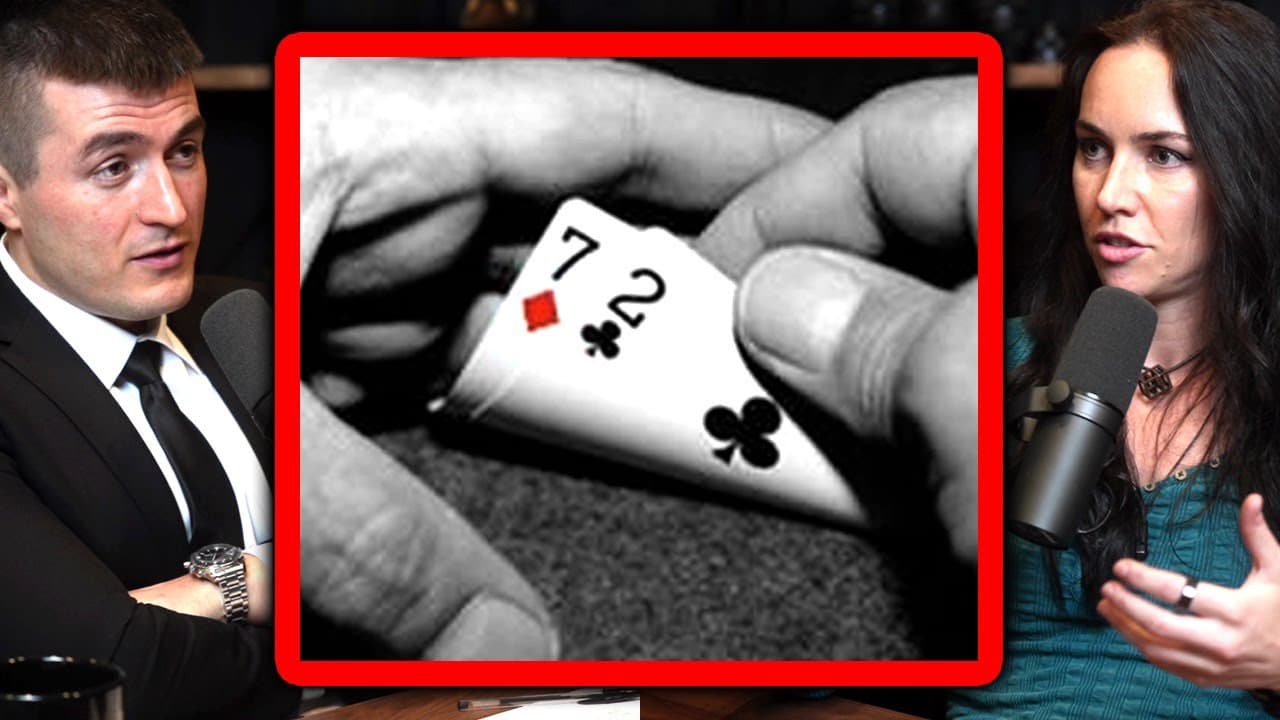
Bluffing in poker, especially in high-stakes tournaments, triggers intense emotions akin to a fight-or-flight response. Mastering this skill requires balancing the representation of a strong hand with the understanding that future cards may determine success, all while maintaining composure to ensure logical decision-making.
Transcript
how much is bluffing part of the game huge amount so yeah i mean maybe actually let me ask like what did it feel like with the live or anyone else when it's a high stake when it's a big it's a big bluff um so a lot of money on the table and maybe i mean what defines a big bluff maybe a lot of money on the table but also some uncertainty in your min... Read More
Key Insights
- ✋ Bluffing in high-stakes situations, such as poker, evokes intense emotions comparable to a fight-or-flight response.
- ✌️ Successful bluffing often involves representing a strong hand while still relying on future cards for victory.
- 🤔 The ability to control physiological responses and maintain logical thinking is crucial for effective bluffing.
- 👾 Bluffing in poker is an accepted aspect of the game, but in real-life situations, deception can have significant consequences.
- 😌 High-stakes lying occurs in various contexts, including military strategy, geopolitics, and personal relationships.
- 🎮 Poker players often exhibit honesty outside of the game, using poker as a controlled outlet for their edginess.
- 🫡 Bluffing allows individuals to satisfy their competitive urge while maintaining respect and camaraderie with opponents.
Install to Summarize YouTube Videos and Get Transcripts
Explore YouTube Video Summarizer or Get YouTube Transcript Extractor
Questions & Answers
Q: How does bluffing in a high-stakes poker game compare to bluffing in other high-stakes situations, such as a courtroom?
Bluffing in poker and other high-stakes situations shares similarities in terms of representing something you don't have and the pressure of the outcome. However, in poker, bluffing is an accepted aspect of the game, while in real-life situations like a courtroom, lying is generally frowned upon.
Q: How important is it to control physiological responses when bluffing in poker?
Controlling physiological responses is crucial in high-stakes bluffing. The intense emotions and fight-or-flight response can hinder logical thinking, making it difficult to make optimal decisions. Learning to calm oneself and enter a focused state is a valuable skill for successful bluffing.
Q: Are there real-life situations where high-stakes lying, similar to bluffing, occurs?
In high-level military strategy and geopolitics, deception and lying can have severe consequences. For example, Hitler's deception about invading the Soviet Union led to one of the largest wars in history. In personal lives, cheating spouses and maintaining multiple families involve high-stakes lying.
Q: Why are poker players generally more honest than the average population?
Poker players have an outlet for their edginess and desire for excitement at the poker table. The game allows them to explore a competitive side and engage in strategic deception, satisfying their urge for thrill in a controlled and accepted manner.
Summary & Key Takeaways
-
Bluffing in poker tournaments with high buy-ins and experienced players can be an intense and life-changing experience.
-
Successful bluffing often involves semi-bluffing, where a player represents having a strong hand but still relies on future cards to win.
-
The pressure and physiological response during high-stakes bluffs can impair logical thinking, requiring the ability to calm oneself and make clear decisions.
Read in Other Languages (beta)
Share This Summary 📚
Summarize YouTube Videos and Get Video Transcripts with 1-Click
Try YouTube Summary with ChatGPT & Claude or YouTube Transcript Generator
Explore More Summaries from Lex Clips 📚


Summarize YouTube Videos and Get Video Transcripts with 1-Click
Try YouTube Summary with ChatGPT & Claude or YouTube Transcript Generator