What Insights Does Tim O'Brien Offer on Writing and War?
TL;DR
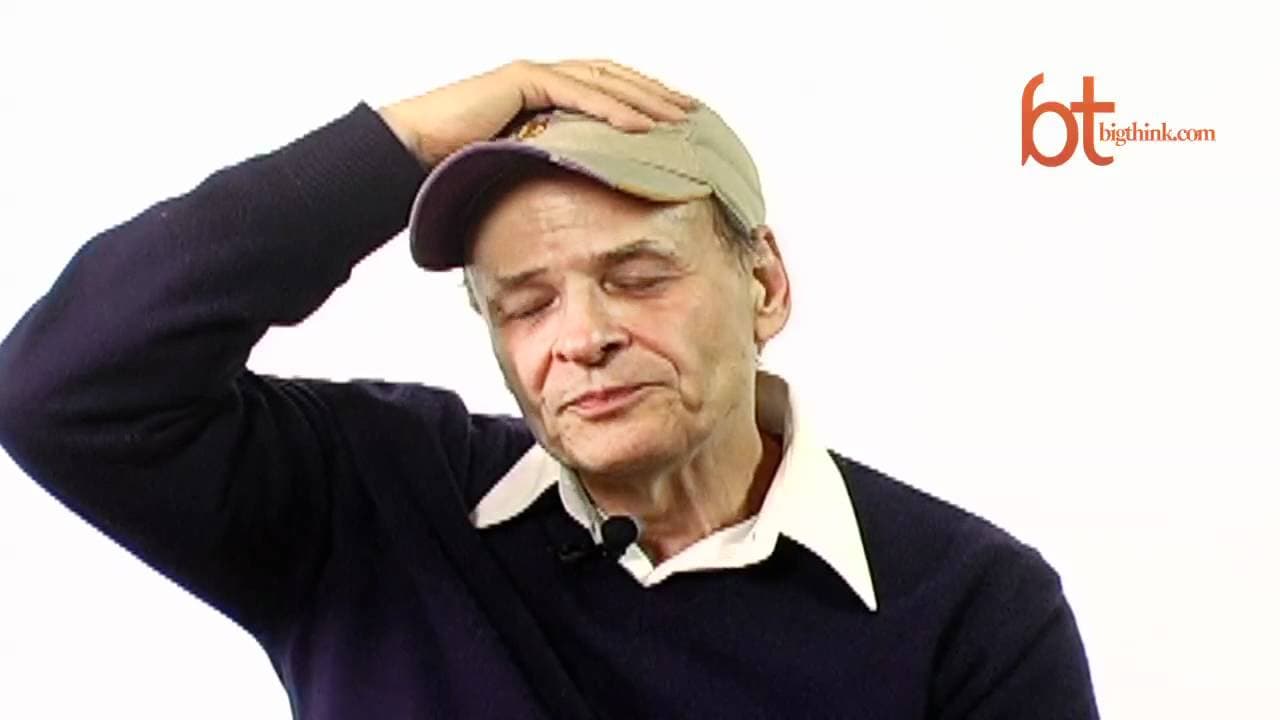
Tim O'Brien emphasizes that writing is a challenging process that demands grace and rhythm, and he expresses skepticism towards certainty, viewing it as often hypocritical. He reflects on how time and experiences have altered his perspective on his own work, and he believes literature has the power to connect lives and address the complexities of memory and war.
Transcript
I write every day I get up around five or so and get two little kids off to school and then I go to work around 9 and work until oh 4:00 or so and then do it pretty much every day oh I wish no it doesn't get easier it gets harder fact because uh oh you you can't write the same book and that would that's always tempting uh the making of sentences is... Read More
Key Insights
- 💦 Writing requires hard work and the search for grace, rhythm, and melody in sentences.
- 🖤 The author is skeptical of certainty and absolutism, perceiving them as lacking authenticity and often accompanied by hypocrisy.
- 🫠 The author feels a sense of dissociation and surprise when reading his own book and recognizes the impact of time and new experiences on his writing voice.
- ✊ Literature has the power to touch lives and provide a sense of connection and understanding.
- 📔 Memory is subjective, and only fragments of our experiences remain. The author explores memory in his book, seeking to understand and illuminate certain events and emotions.
- 🫱 The author feels an obligation to do justice to the savagery and senselessness of war, as well as the burden carried by the families of those affected.
- 🫱 The author reflects on the differences between his experience of war and those currently serving, including changes in temperament and attitudes towards the war.
Install to Summarize YouTube Videos and Get Transcripts
Explore YouTube Video Summarizer or Get YouTube Transcript Extractor
Questions & Answers
Q: What is the author's view on certainty and absolutism?
The author is skeptical of people who declare things with absolute certainty, as he believes it is accompanied by hypocrisy and lacks a certain authenticity. He feels that absolutism is often driven by blinders and a narrow-minded view of the world.
Q: How does the author feel when reading his own book after many years?
The author feels a sense of dissociation and surprise when reading his own book, as it no longer feels like his own voice. He is 20 years older and has had new experiences that make the old voice seem distant and unfamiliar.
Q: Does the author feel a sense of pride towards his book?
The author does not feel pride when looking at his book, but rather a sense of dissociation. He finds it hard to believe that those stories and sentences are his own, and in a way, they no longer belong to him but have taken on their own identity in the world of literature.
Q: How does the author view the act of writing?
For the author, writing is the act of following sentences and making new ones. He believes that stories grow out of sentences, and the act of writing is like being on a riverboat, watching the world go by and allowing the story to unfold naturally.
Summary & Key Takeaways
-
The author writes every day and believes that the making of sentences is hard work, requiring a certain grace, rhythm, and melody.
-
He expresses skepticism towards certainty and absolutism, finding hypocrisy and pretentiousness in people who declare things with absolute certainty.
-
The author feels a sense of dissociation and surprise when reading his own book, as it no longer feels like his own voice and he has changed as a person over time.
Read in Other Languages (beta)
Share This Summary 📚
Summarize YouTube Videos and Get Video Transcripts with 1-Click
Try YouTube Summary with ChatGPT & Claude or YouTube Transcript Generator
Explore More Summaries from Big Think 📚

Summarize YouTube Videos and Get Video Transcripts with 1-Click
Try YouTube Summary with ChatGPT & Claude or YouTube Transcript Generator