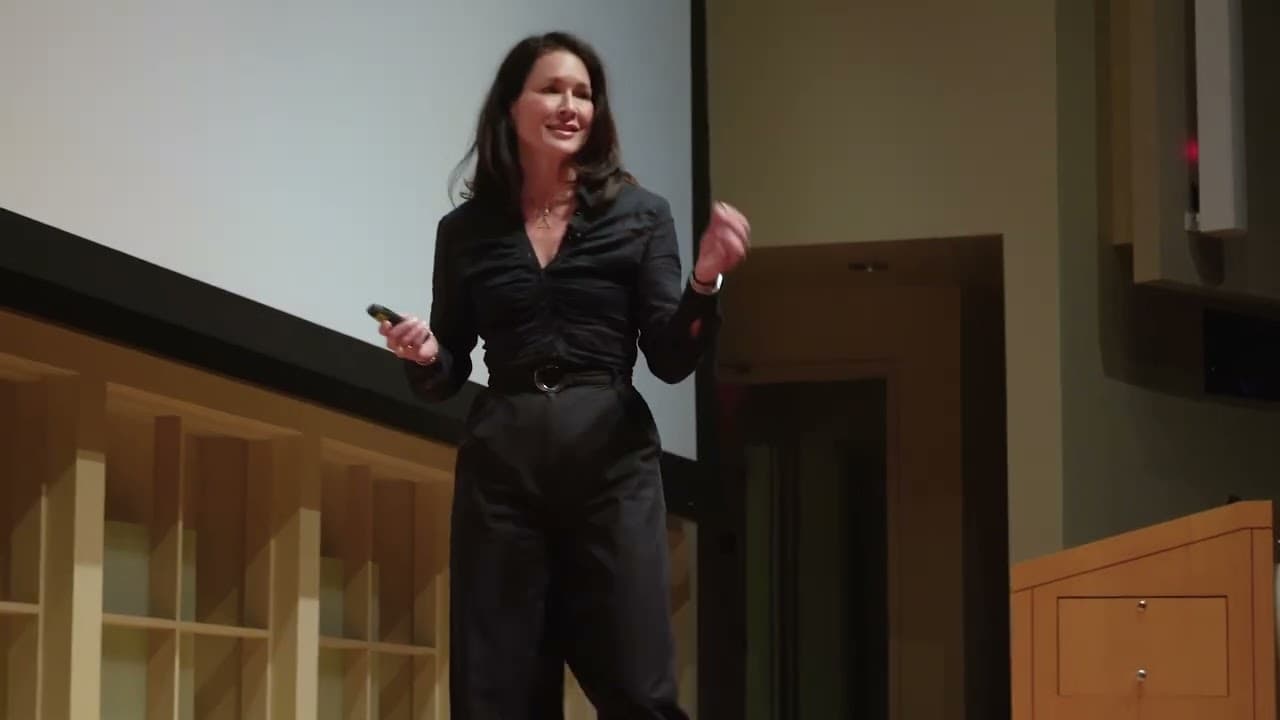
The Virtual Human Economy: Unlocking Your AI-Powered Potential | Natalie Monbiot | TEDxCornell
TL;DR
A virtual human economy could let people license AI versions of themselves to perform tasks at scale while preserving time for the work and identities they value most. Natalie Monbiot illustrates this through Emma, a 27-year-old architecture student and dancer whose avatar became a German instructor, then identifies consent, transparency, and accountability as foundations for ethically sourced avatars. Read on to understand the opportunities, risks, and proposed safeguards.
Transcript
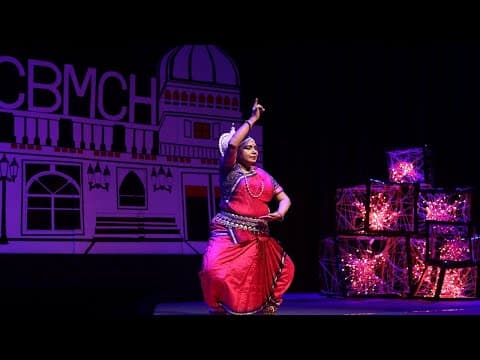
[Applause] Emma has always had more than one identity a 27-year-old architecture student of Indian descent she's also an Indian dancer a talent she's been nurturing for the past 20 years and for the past six years she's also been a part-time secretary at a law firm a reliable source of income Emma dream of building Airy Open Spaces that fill people... Read More
Key Insights
- 💃 Emma embodies the struggle of maintaining multiple identities while navigating her passions for architecture and dance.
- 😑 The technology of AI avatars allows individuals to express themselves in new ways, often leading to surprising revelations about personal identity.
- 👻 Ethical considerations around AI include consent, potential for misuse, and preserving human jobs while allowing for innovation.
- 🥺 The concept of a virtual human economy could transform traditional industries by leading to new opportunities and economic growth.
- 👶 Historical examples like Airbnb and YouTube show that technology can create new markets instead of displacing existing jobs.
- ❓ Transparency and accountability measures are crucial in establishing trust in AI technologies and preventing misuse.
- ✋ AI avatars can help individuals delegate tasks that they find burdensome, aiding them in focusing on higher aspirations.
Install to Summarize YouTube Videos and Get Transcripts
Explore YouTube Video Summarizer or Get YouTube Transcript Extractor
Questions & Answers
Q: What is the virtual human economy described by Natalie Monbiot?
It is an economy in which virtual versions of people take on parts of their lives and work that interfere with who they want to be. These avatars can represent someone in many places, perform scalable tasks, and potentially create income for the person whose likeness or voice they use.
Q: Who is Emma, and how did she become an AI avatar?
Emma is a 27-year-old architecture student of Indian descent who has practiced Indian dance for 20 years and worked part-time as a law-firm secretary for six years. At a casting call, she spoke to a camera for a few minutes so her exact likeness could be digitized.
Q: How did Emma react when she first saw her AI clone?
Emma was shocked to see her avatar speaking German, a language she did not speak, and responded, “That’s not me.” The experience reflected her broader habit of keeping different versions of herself separate, including her identities as an architecture student and dancer.
Q: What work did Emma’s AI avatar perform?
AI Emma took on several roles in the digital world, including working as a German-language instructor. Emma’s agreement also included commercial terms permitting companies to use the clone to teach German, sell cars, or help customers.
Q: What are the main risks of AI cloning?
Natalie Monbiot identifies three central concerns: losing control of one’s likeness and identity, the effect of widespread AI clones on human jobs, and whether an increasingly autonomous avatar will reflect its creator’s values. She connects the first concern to malicious deepfakes and unauthorized uses of voices and likenesses.
Q: How can consent and control protect people represented by AI avatars?
An AI cloning system should give the person behind the clone permission rights and control over its use. Emma signed an agreement authorizing creation of her clone and defining commercial terms, while an actors’ union later established that AI clones should not be used without consent and arranged for actors to lease voice clones for video games.
Q: How can transparency make AI avatars more trustworthy?
AI-generated content can be marked so viewers know where it came from. Monbiot describes mandating a watermark on videos in 2019 and a newer technical standard that embeds cryptographic keys during content generation, helping clarify the origins of AI avatars as they travel across the web.
Q: What are ethically sourced avatars?
Ethically sourced avatars are AI representations built around consent and control, transparency about their origins, and accountability for misuse. Monbiot presents these safeguards as the foundation on which a virtual human economy can thrive.
Summary & Key Takeaways
-
Emma, a 27-year-old architecture student and Indian dancer, grapples with her multifaceted identities while maintaining a part-time job.
-
After becoming an AI avatar, she experiences the shock of seeing a digital version of herself speak in a language she doesn't know.
-
The content discusses the ethical implications, job effects, and potential future of AI avatars, highlighting Emma's journey and the evolving virtual human economy.
Read in Other Languages (beta)
Share This Summary 📚
Summarize YouTube Videos and Get Video Transcripts with 1-Click
Try YouTube Summary with ChatGPT & Claude or YouTube Transcript Generator
Explore More Summaries from TEDx Talks 📚
Summarize YouTube Videos and Get Video Transcripts with 1-Click
Try YouTube Summary with ChatGPT & Claude or YouTube Transcript Generator