What Are the Stages of Tantra and How Do They Work?
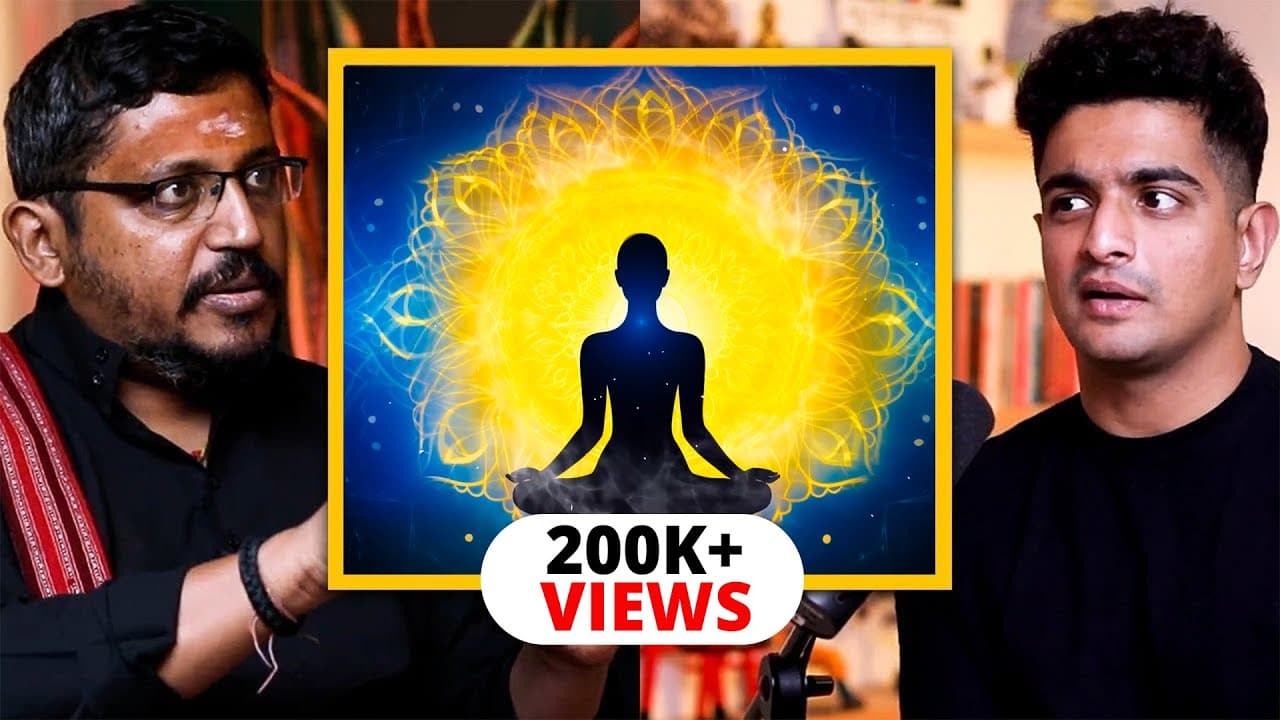
TL;DR
Tantra progresses through stages: Vedachara (ordinary worship in the daytime), Vaishnavachara (dedicated, single focus on a form of Vishnu with its rules), a scripture-study phase, Dakshinachara (the right-hand path where Tantra properly begins), and Vamachara (the left-hand path). Dakshinachara requires initiation once you take up Shakti mantras, because they work with tremendous speed and need an experienced guru to guide you. Read on to learn why initiation, secrecy, and years of practice matter.
Transcript
welcome to the highlights channel of the runway show quick fire heavy information Clips available for you now make sure you subscribe make sure you like this video and enjoy it for the last question or last phase of this particular episode so I gotta bring you back to the levels of Tantra you spoke about you don't have to expand too much on it okay... Read More
Key Insights
- 🛐 Tantra comprises various stages that facilitate spiritual growth and understanding, starting from basic worship and advancing to complex practices.
- 🫱 The right-hand path promotes moderation and adherence to tradition, while the left-hand path offers faster results but involves risk and complexity.
- 🕴️ Understanding one's fitness for specific practices is essential; not all individuals are suited for every path within Tantra.
- ❓ Initiation from a qualified guru is a pivotal aspect of progressing in Tantra, especially for advanced practices.
- 🖐️ Mantras play a crucial role in Tantra, acting as tools for purification and connection with the divine.
- 🤩 The desire for instant results can lead to failure in Tantra; patience and consistent practice are key to success.
- 🥺 The evolving awareness of spiritualism in modern society has led to an increasing interest in traditional practices like Tantra.
Install to Summarize YouTube Videos and Get Transcripts
Explore YouTube Video Summarizer or Get YouTube Transcript Extractor
Questions & Answers
Q: What is dakshinachara in Tantra?
Dakshinachara is the right-hand path where, according to the speaker, Tantra properly starts. "Dakshin" means right and "achara" means behavior or mode of practice. It runs parallel to the Vedic path, so whatever is forbidden in the Vedic path is also not done here, and it uses standard vegetarian offerings and daytime worship at specific times. The speaker stresses it is not simple but very powerful.
Q: What are the stages of Tantra in order?
The speaker describes it as a stage of progress: you begin with Vedachara, doing upasana in the normal way, ideally in the daytime with the usual restrictions. Next is Vaishnavachara, where you become a dedicated worshipper of a single form of Vishnu and take on that worship's rules. After a phase of studying the relevant scriptures, you reach Dakshinachara, the right-hand path, and then Vamachara, the left-hand path.
Q: Why is initiation important in Tantra?
Initiation matters most once you begin Shakti mantra practice in Dakshinachara. The speaker explains Shakti mantras work with tremendous speed and cause changes very fast, so no one can self-regulate them; you need someone higher and more experienced to guide you, which is why abhisheka diksha is given. For Shiva or Krishna mantras, initiation is not mandatory and a verbal upadesha from someone can be enough.
Q: What is the difference between the right-hand and left-hand paths of Tantra?
Dakshinachara, the right-hand path, follows standard religious offerings such as rice and vegetarian ingredients, worship at set daytime hours, and does not do what the Vedic path forbids. Vamachara, the left-hand path, comes after this stage and involves more esoteric, controversial rituals. Both are considered fully Tantra and require proper adherence and guidance.
Q: Does the guru mean a single person in Tantra?
No. The speaker clarifies that guru means the guru parampara, a whole line of gurus, not just one individual. He notes that even Lord Krishna had gurus and learned the Vedas and the 64 kalas from rishis at ashrams in Ujjain and other places. The only being in the universe said to have no guru is Shiva, described as the Adi Deva.
Q: What is nyasa, the practice of placing mantras on the body?
From the Dakshinachara stage on, you chant certain mantras while touching specific parts of the body, repeating this over years, not just months. The speaker says this gradually purifies the body through the mantras so the deity approaches you faster. He compares it to a "spiritual tattoo," and adds that from this stage secrecy becomes important, since these practices cannot be done in front of those not meant to see them.
Q: How should a beginner approach Tantra?
The speaker frames Tantra as a gradual progression that starts with ordinary worship and consciousness-building in Vedachara before advancing. He emphasizes that it is powerful and not simple, that the rules can only be learned through a guru, and that success comes from sustained practice, patience, and proper initiation rather than rushing into advanced Shakti practices.
Summary & Key Takeaways
-
The stages of Tantra include Vedachara, Vaishnavachara, Dakshinachara, and Vamachara, each requiring specific practices, guidance, and initiation.
-
Dakshinachara, the right-hand path, necessitates a deep commitment to worship practices involving mantras and purification, while Vamachara engages in more controversial rituals.
-
Success in Tantra requires patience, appropriate fitness for practices, and the understanding that the journey involves persistent dedication and a genuine connection with the deities.
Read in Other Languages (beta)
Share This Summary 📚
Summarize YouTube Videos and Get Video Transcripts with 1-Click
Try YouTube Summary with ChatGPT & Claude or YouTube Transcript Generator
Explore More Summaries from TRS Clips 📚


Summarize YouTube Videos and Get Video Transcripts with 1-Click
Try YouTube Summary with ChatGPT & Claude or YouTube Transcript Generator