How Can AI Impact Human Interaction?
TL;DR
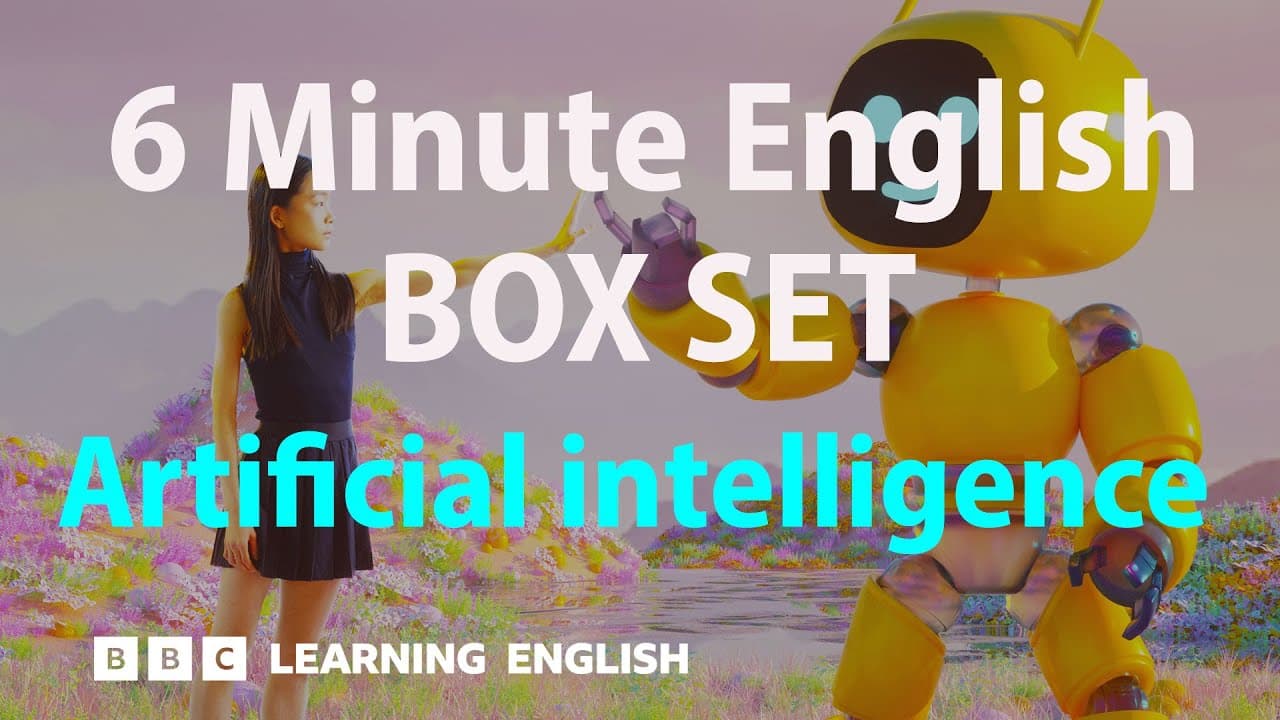
AI, particularly chatbots, can simulate human-like conversations but lack true understanding. They are becoming more sophisticated, raising questions about their potential to replace human interaction. While useful for practical tasks, their perceived authority can lead to misplaced trust, highlighting the need for caution in their use.
Transcript
6 Minute English. From BBC Learning English. Hello. This is 6 Minute English from BBC Learning English. I'm Neil. And I'm Rob. Now, I'm sure most of us have interacted with a chatbot. These are bits of computer technology that respond to text with text or respond to your voice. You ask it a question and usually it comes up with an answer. Yes, it's... Read More
Key Insights
- Chatbots are computer programs designed to simulate conversation with humans.
- AI technology is advancing, enabling chatbots to predict and learn language patterns.
- Chatbots can appear authoritative due to coherent and fluent language output.
- Users should be cautious of chatbots' accuracy, as they lack true understanding.
- AI's ability to learn from data is similar to human cognitive processes.
- There is concern that AI could surpass human information processing capabilities.
- Human-like interaction with chatbots can lead to a false sense of sentience.
- The ethical implications of AI replacing human interaction are significant.
Install to Summarize YouTube Videos and Get Transcripts
Explore YouTube Video Summarizer or Get YouTube Transcript Extractor
Questions & Answers
Q: How do chatbots simulate human conversation?
Chatbots simulate human conversation by using algorithms to predict and generate responses based on language patterns they have learned. They process input from users and generate text that mimics human dialogue, creating an impression of conversation despite lacking true understanding.
Q: Why should users be cautious about the accuracy of chatbots?
Users should be cautious because chatbots, while capable of producing coherent and fluent text, do not truly understand the content. Their responses are generated based on learned patterns rather than comprehension, which can lead to inaccuracies and misinformation if users place undue trust in them.
Q: What is the significance of AI learning from data?
AI learning from data is significant because it allows systems to improve over time by identifying patterns and making predictions. This process, akin to human cognitive learning, enables AI to perform complex tasks but also raises concerns about its potential to surpass human capabilities in certain areas.
Q: Can AI replace human interaction effectively?
AI can assist in certain practical tasks and simulate conversation, but it cannot fully replace human interaction. The lack of true understanding and emotional intelligence in AI systems limits their ability to engage in meaningful, empathetic communication, which is essential in many human interactions.
Q: What ethical concerns arise from AI's role in society?
Ethical concerns include the potential for AI to replace human jobs, influence decision-making with biased data, and create dependency on technology. Additionally, as AI systems become more integrated into daily life, ensuring their accountability, transparency, and alignment with human values is crucial.
Q: How does AI's perceived authority affect users?
AI's perceived authority can lead users to trust its outputs without questioning accuracy, especially when the language is coherent and authoritative. This misplaced trust can result in the spread of misinformation and reliance on AI for decisions that require human judgment and ethical considerations.
Q: What are the potential risks of AI surpassing human capabilities?
If AI surpasses human capabilities, it could lead to scenarios where machines make critical decisions without human oversight, potentially causing harm. The concentration of power in AI systems could also lead to ethical dilemmas, privacy concerns, and challenges in maintaining control over advanced technologies.
Q: How can society ensure responsible AI development?
Society can ensure responsible AI development by establishing ethical guidelines, promoting transparency, and involving diverse stakeholders in the design process. Continuous monitoring, regulation, and education about AI's limitations and potential impacts are also essential to align AI technologies with societal values and needs.
Summary & Key Takeaways
-
AI, particularly chatbots, can simulate human-like conversations but lack true understanding. They are becoming more sophisticated, raising questions about their potential to replace human interaction.
-
Chatbots' ability to predict language patterns can make them seem authoritative, but users should be cautious of their accuracy. They learn from data, similar to human cognitive processes, but without true comprehension.
-
The ethical implications of AI replacing human interaction are significant. As AI technology advances, it is crucial to consider its impact on society and the potential risks of misplaced trust in these systems.
Read in Other Languages (beta)
Share This Summary 📚
Summarize YouTube Videos and Get Video Transcripts with 1-Click
Try YouTube Summary with ChatGPT & Claude or YouTube Transcript Generator
Explore More Summaries from BBC Learning English 📚

Summarize YouTube Videos and Get Video Transcripts with 1-Click
Try YouTube Summary with ChatGPT & Claude or YouTube Transcript Generator