How to Build a Career in Financial Markets
TL;DR
The CRTA program prepares learners for financial-market roles by combining research, trading, and advisory education in a six-month online course certified by NSE Academy. It progresses from basic to advanced concepts and supports people seeking careers as research analysts, relationship managers, traders, investment advisers, or independent investors managing their own portfolios.
Transcript
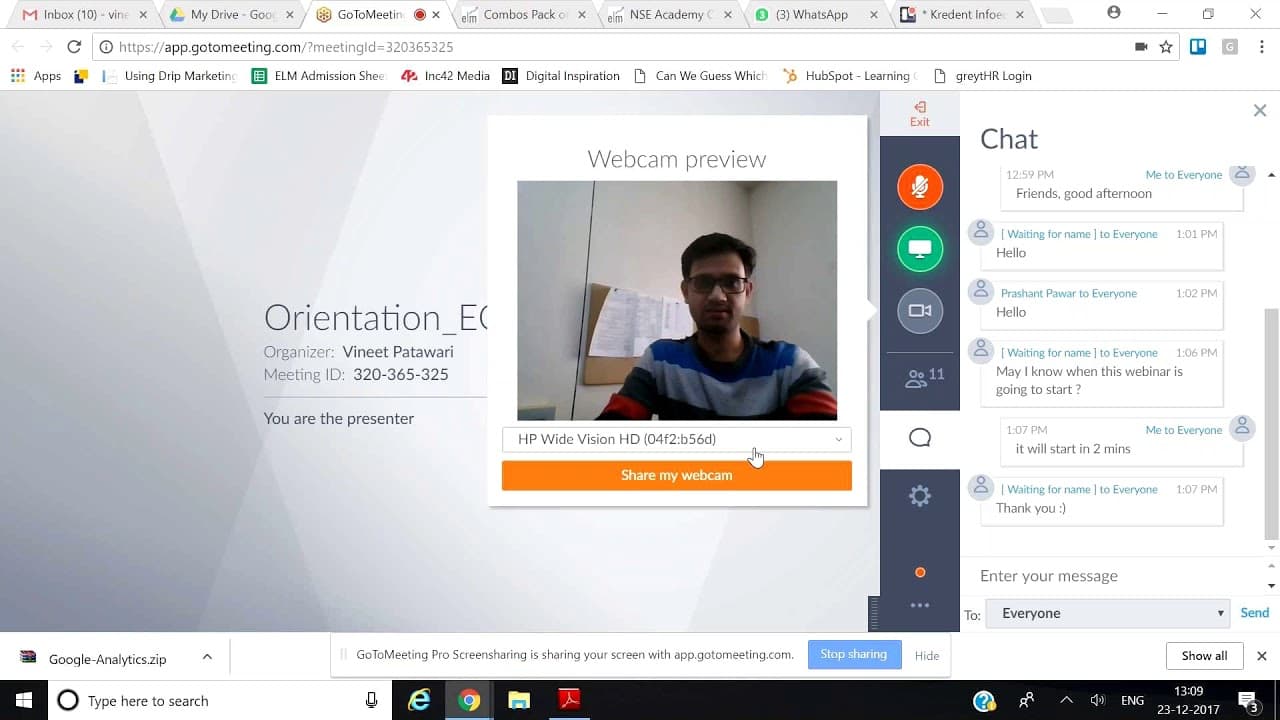
Hello, friends. I hope you are able to see me, and, uh, you are able to hear me. Uh, confirmation on the chat with a yes or no will be really helpful. So once again, very warm welcome and kindly just write a yes or a no in the chat so that I know you can hear me, and you can see me. Though I'll switch off my webcam in some time, it was just to say ... Read More
Key Insights
- The CRTA program is organized around research, trading, and advisory, which the presenter identifies as three broad areas of financial-market activity. Combining these areas is intended to give learners a more comprehensive foundation than training focused only on opening accounts, selecting stocks, or placing trades.
- The course is designed for both career preparation and personal market participation. Learners may use its content to pursue roles such as research analyst, relationship manager, trader, or investment adviser, while independent investors can apply the same research skills to evaluating and managing their own investments.
- NSE Academy certification followed a review of the program’s content, examinations, evaluation process, and study material, according to the orientation. The presenter treats this certification as recognition of the curriculum’s quality and depth, while describing the program as progressing from basic concepts to advanced subjects.
- The six-month commitment is framed as an investment in the learner’s own capabilities. The orientation emphasizes that sustained study can develop the knowledge and vocabulary needed to understand financial markets, discuss market conditions, research investments, and prepare for professional participation in the industry.
- The research component covers equity, economic, and technical research. These areas are presented as useful for people conducting analysis professionally and for individuals evaluating their own investments, making research a foundational skill across both employment-oriented and independent paths in the financial markets.
- ElearnMarkets delivers the program online and through a mobile application to reach learners wherever they are. Its parent organization also operates Credent Academy in Kolkata, where classroom training uses terminals and practical instruction designed around the working needs of research analysts and traders.
- India’s low level of market participation is presented as a source of potential growth. The speaker states that fewer than 1.5 to 2 percent of people in India have Demat accounts or participate in markets, compared with 60 to 70 percent in developed nations.
- Formal financial channels are receiving greater attention as money shifts from traditional destinations such as real estate and gold, according to the presentation. The speaker also cites approximately 6,000 crores flowing monthly through mutual-fund systematic investment plans as evidence of substantial capital entering the markets.
Install to Summarize YouTube Videos and Get Transcripts
Explore YouTube Video Summarizer or Get YouTube Transcript Extractor
Questions & Answers
Q: What is the Certificate in Research, Trading and Advisory program?
The Certificate in Research, Trading and Advisory, or CRTA, is a six-month financial-markets education program delivered through ElearnMarkets. It combines multiple modules under three main areas: research, trading, and advisory. The orientation describes it as progressing from basic to advanced material and serving people who want either a financial-markets career or stronger skills for managing their own investments.
Q: Who should enroll in the CRTA financial-markets course?
The CRTA program is intended for individuals who aspire to build a career in financial markets or improve their own investing and trading capabilities. The orientation identifies potential participants as independent investors and people interested in becoming research analysts, relationship managers, traders, or investment advisers. It also acknowledges that complete beginners may initially be unfamiliar with common market terminology.
Q: What subjects does the CRTA program cover?
The curriculum is divided into research, trading, and advisory, which the presenter treats as three broad buckets within financial markets. The research portion includes meaningful equity, economic, and technical research. The overall collection of modules is described as taking learners from basic concepts to advanced study, supporting both professional career preparation and personal investment analysis.
Q: How can CRTA help someone build a financial-markets career?
CRTA is designed to develop knowledge across research, trading, and advisory rather than limiting learners to a single market activity. The orientation connects these skills with careers as research analysts, relationship managers, traders, and investment advisers. It also provides exposure to experienced industry professionals, along with examinations, evaluations, study material, and a structured six-month learning commitment.
Q: Is the CRTA program certified by NSE Academy?
The orientation states that the CRTA program is certified by NSE Academy. According to the presenter, this certification followed vetting of the course content, examinations, evaluation methods, and study material. He presents the certification as reflecting the quality and depth of the program, which combines several modules and advances from foundational financial-market concepts to more advanced material.
Q: How is the CRTA course delivered to learners?
The CRTA course is delivered online through ElearnMarkets, with access also supported through its mobile application. The presenter says this format is intended to reach learners wherever they are and reflect the growing importance of online and mobile education. The organization also operates Credent Academy in Kolkata for classroom-based, practical instruction involving terminals and market professionals.
Q: Why does the orientation expect financial markets in India to grow?
The presenter links potential growth to the movement of money into formal financial channels, broader access to banking through Jan Dhan Yojana, demonetization, and increased participation in capital markets. He also notes that fewer than 1.5 to 2 percent of people in India have Demat accounts or participate in markets, leaving considerable room for wider adoption.
Q: What evidence does the orientation give for rising capital-market participation?
The orientation states that approximately 6,000 crores enters mutual funds every month through systematic investment plans, while additional investors place money directly into equities. The presenter uses these flows as evidence that substantial liquidity is entering capital markets. He also contrasts India’s participation rate of under 1.5 to 2 percent with 60 to 70 percent in developed nations.
Summary & Key Takeaways
-
The Certificate in Research, Trading and Advisory is presented as a six-month financial-markets program for learners seeking professional skills or better control over their own investments. Its curriculum combines three central areas: research, trading, and advisory. The course is available online through ElearnMarkets and is certified by NSE Academy.
-
The research component introduces meaningful equity, economic, and technical research. These capabilities can support personal investment decisions or a career analyzing financial markets. The broader program progresses from foundational subjects to advanced material, with examinations, evaluations, study resources, and instruction from experienced market professionals forming part of the learning structure described.
-
The orientation connects financial education with expanding career opportunities. Possible paths include working as a research analyst, relationship manager, trader, or investment adviser, as well as participating independently as an investor. The presenter attributes market growth to increasing formalization, broader banking access, mutual-fund inflows, and India’s comparatively low level of market participation.
Read in Other Languages (beta)
Share This Summary 📚
Summarize YouTube Videos and Get Video Transcripts with 1-Click
Try YouTube Summary with ChatGPT & Claude or YouTube Transcript Generator
Explore More Summaries from Face2Face Podcast 1M 📚


Summarize YouTube Videos and Get Video Transcripts with 1-Click
Try YouTube Summary with ChatGPT & Claude or YouTube Transcript Generator