What Is the Past Perfect Tense and How Is It Used?
TL;DR
The past perfect tense, formed with 'had' plus a past participle, describes actions that occurred before another point in the past. It is also used in third conditional sentences to discuss unrealized events and hypotheses. Common verbs associated with this tense include 'wish', 'hope', 'intend', and 'want'.
Transcript
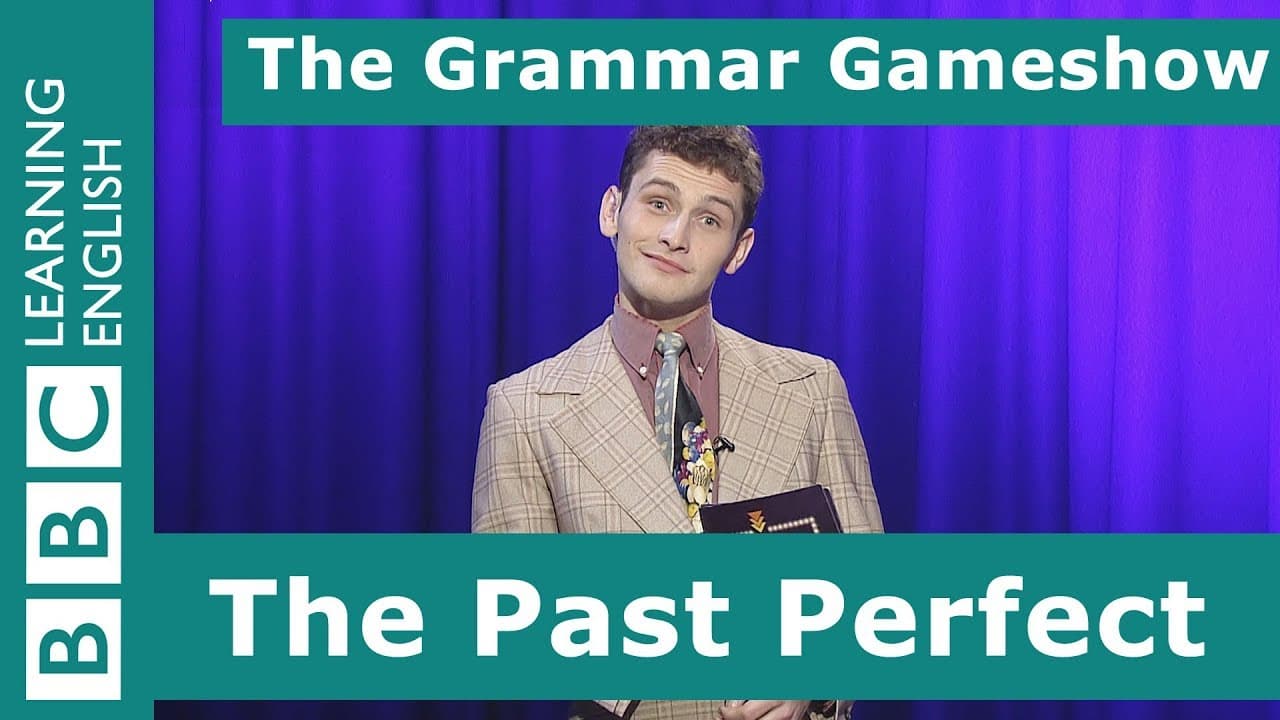
Hello, and welcome to today’s Grammar Gameshow! I’m your host, Will! The last document that ever matters! And of course let’s not forget Leslie, our all-knowing voice in the sky. Hello everyone! Tonight we’re going to ask you three questions about… The past perfect. That useful tense using ‘had’ and a past participle for talking about the past that... Read More
Key Insights
- The past perfect tense is formed using 'had' plus a past participle, useful for discussing events that occurred before another past event.
- Incorrect sentences using past perfect were corrected, highlighting common mistakes and their rectifications.
- The past perfect tense is often used in third conditional sentences to discuss hypothetical past events and their possible outcomes.
- Pronunciation of 'had had' involves stressing the second 'had' when it serves as the main verb, while the auxiliary 'had' is unstressed.
- The past perfect can express unrealized hopes, often accompanied by verbs like 'wish', 'hope', 'intend', and 'want'.
- Contestants Mark and Levington participated in a humorous and educational quiz about the past perfect tense.
- The Grammar Gameshow uses a comedic format to teach English grammar, with quirky hosts and nonsensical point systems.
- The episode encourages viewers to learn English through engaging content, quizzes, and additional resources on the BBC Learning English website.
Install to Summarize YouTube Videos and Get Transcripts
Explore YouTube Video Summarizer or Get YouTube Transcript Extractor
Questions & Answers
Q: What is the main focus of this Grammar Gameshow episode?
The main focus of this episode is the past perfect tense. It explores how the tense is formed using 'had' plus a past participle and demonstrates its usage in various grammatical structures, such as correcting sentences, third conditional sentences, and expressing unrealized hopes.
Q: How does the episode illustrate common mistakes with the past perfect tense?
The episode presents sentences containing errors related to the past perfect tense and asks contestants to correct them. This method highlights common mistakes, such as incorrect verb forms and word order, and provides corrected versions, thus reinforcing the proper usage of the past perfect.
Q: What is the significance of the 'had had' pronunciation segment?
The 'had had' pronunciation segment emphasizes the importance of distinguishing between the auxiliary and main verb forms of 'had'. The episode demonstrates that the auxiliary 'had' is pronounced weakly, while the main verb 'had' is stressed, a nuance important for clear communication in English.
Q: How does the episode explain the use of the past perfect in third conditional sentences?
The episode explains that the past perfect is essential in forming third conditional sentences, which discuss hypothetical past events and their possible consequences. It provides the formula for third conditionals: 'If + had + past participle, would + have + past participle', illustrating its application with examples.
Q: What role do unrealized hopes play in the past perfect tense?
Unrealized hopes are expressed using the past perfect tense to indicate intentions or desires that were not fulfilled. The episode showcases this usage with verbs like 'wish', 'hope', 'intend', and 'want', and highlights how the auxiliary 'had' is stressed in these contexts to convey emphasis.
Q: How does the Grammar Gameshow combine education with entertainment?
The Grammar Gameshow combines education with entertainment by using a comedic format, featuring quirky hosts and nonsensical point systems. This approach makes learning English grammar engaging and enjoyable, encouraging viewers to participate actively and absorb the material in a relaxed setting.
Q: What additional resources are suggested for viewers who want to learn more?
Viewers are encouraged to explore additional resources on the BBC Learning English website, which offers quizzes, videos, and other educational materials. The show promotes daily engagement with new content, supporting learners in improving their English skills through a variety of entertaining and informative formats.
Q: How does the episode encourage audience participation?
The episode encourages audience participation by inviting viewers to play along with the quiz at home, correcting sentences and answering questions about the past perfect tense. This interactive approach helps reinforce learning and allows viewers to actively engage with the material while enjoying the comedic elements of the show.
Summary & Key Takeaways
-
The episode of the Grammar Gameshow focuses on the past perfect tense, exploring its formation, usage, and common errors. Contestants Mark and Levington answer questions about correcting sentences, the third conditional, and pronunciation nuances, all while engaging in humorous antics.
-
The show emphasizes the role of the past perfect tense in expressing actions before another past event, its use in third conditional sentences, and its application in expressing unrealized hopes. The episode combines education with entertainment, making grammar learning fun.
-
Viewers are invited to participate in the quiz and explore additional resources on the BBC Learning English website. The show combines comedy with grammar lessons, offering a unique approach to language learning, and encouraging daily engagement with new content.
Read in Other Languages (beta)
Share This Summary 📚
Summarize YouTube Videos and Get Video Transcripts with 1-Click
Try YouTube Summary with ChatGPT & Claude or YouTube Transcript Generator
Explore More Summaries from BBC Learning English 📚
Summarize YouTube Videos and Get Video Transcripts with 1-Click
Try YouTube Summary with ChatGPT & Claude or YouTube Transcript Generator