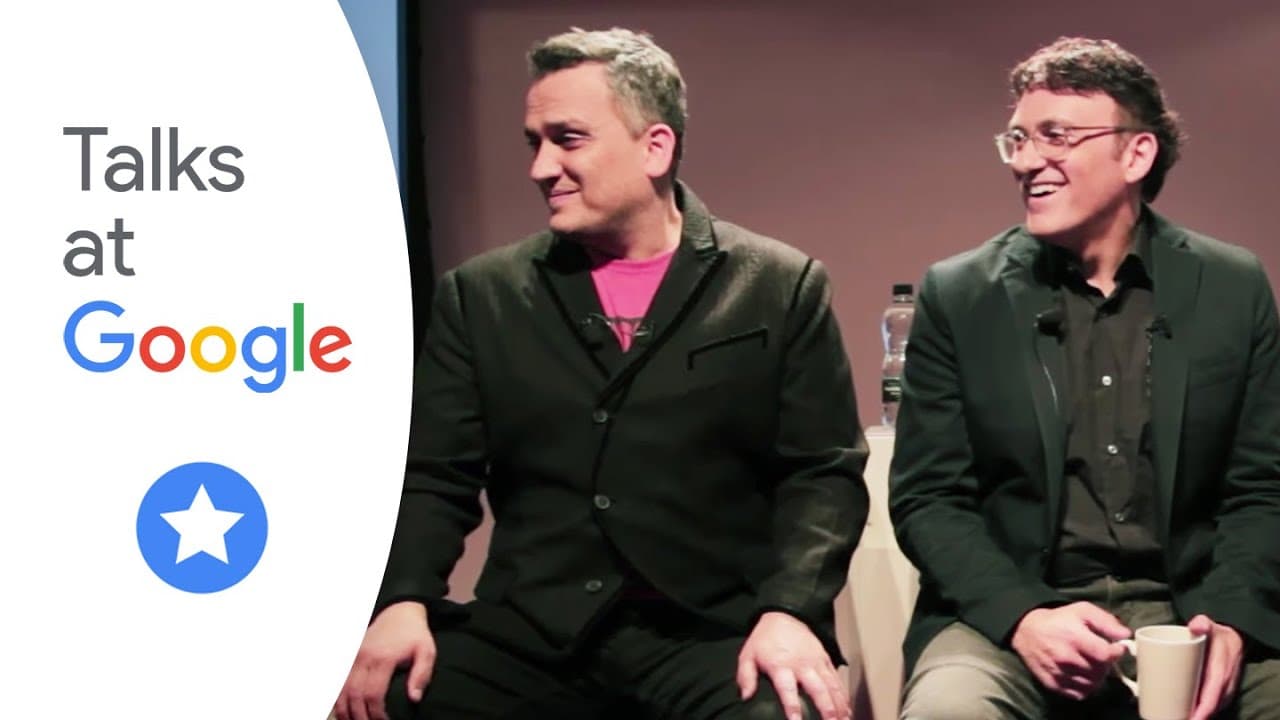
How Anthony and Joe Russo Made Captain America: Civil War | Talks at Google
TL;DR
Anthony and Joe Russo made Captain America: Civil War through ensemble storytelling, genre subversion, and close collaboration with writers Markus and McFeely and producer Kevin Feige. They meticulously tracked every character’s arc, while major additions such as Tony Stark and Spider-Man required complex negotiations. Read on for their approach to story development, creative freedom, and interconnected Marvel films.
Transcript
MALE SPEAKER: Welcome to Talks at Google. I'm very pleased today to welcome Anthony and Joe Russo, directors of the new Marvel film "Captain America: Civil War." Please join me in a massive round of applause in welcoming Anthony and Joe Russo. [APPLAUSE] ANTHONY RUSSO: Thank you. [APPLAUSE] MALE SPEAKER: Have a seat. I spent Google's money yesterda... Read More
Key Insights
- 😫 The Russo Brothers prioritize creating a collaborative and welcoming environment on set, allowing actors to contribute their ideas and talent.
- 🎥 Marvel Studios' approach to filmmaking focuses on one movie at a time, allowing each film to develop organically and be the best it can be.
- 👶 The success of streaming platforms like Netflix and YouTube is changing the film industry, offering new opportunities for storytelling and content creation.
- ❓ The Russo Brothers see virtual reality as a technology that will revolutionize storytelling in the future.
- 🙏 The directors approach each film by focusing on storytelling that pleases themselves first and then hope the audience enjoys it as well.
- 🫠 They value the importance of character-driven storytelling and ensuring that characters have meaningful arcs and choices throughout the film.
- 😥 The directors argue and logically discuss each story point to ensure the highest quality and integrity in their work.
Install to Summarize YouTube Videos and Get Transcripts
Explore YouTube Video Summarizer or Get YouTube Transcript Extractor
Questions & Answers
Q: How did Anthony and Joe Russo approach ensemble storytelling in Captain America: Civil War?
They used the ensemble to give viewers several access points to the story and let them choose which character to side with. Their experience on Community, Arrested Development, and Welcome to Collinwood also shaped this approach.
Q: How did Community and Arrested Development influence Captain America: Civil War?
The Russo brothers brought their interest in playing with genre ideas and audience expectations from those shows. Subverting genre expectations was very important to their storytelling approach in Civil War.
Q: How did the Russo brothers develop the story with Markus and McFeely?
They spent a month or two in a conference room discussing the film’s goals, themes, characters, and intended meaning before settling on the story. Markus and McFeely then drafted the script, which the group reviewed meticulously.
Q: What role did Kevin Feige play in developing Captain America: Civil War?
After the directors and writers found a story they liked, Kevin Feige joined them to discuss it and offer his thoughts. He also handled the difficult work of arranging deals involving Robert Downey and Spider-Man.
Q: Why was adding Tony Stark to Captain America: Civil War complicated?
Robert Downey was not under contract to appear in the movie. The Russo brothers therefore asked Kevin Feige to work out a deal that would bring him aboard.
Q: How did Spider-Man become part of Captain America: Civil War?
The Russo brothers asked Kevin Feige to determine how Spider-Man could be obtained from Sony. The resulting arrangement involved two competing corporations sharing a billion-dollar piece of intellectual property, and the deal took many months.
Q: How did the Russo brothers ensure every character had a meaningful arc?
They reviewed the script character by character, spending two days exclusively on Captain America and a day each on Tony Stark and Scarlet Witch. Their goal was to give every character some movement, even if incremental, so each ended differently from where they began.
Q: How much creative freedom did the Russo brothers have at Marvel?
Joe Russo described the process at Marvel as wide open, with directors able to tell the story they wanted. Kevin Feige’s stated priority was that the stories be good, while directors maintained an ongoing dialogue about connected characters and films.
Summary & Key Takeaways
-
Definition: Ensemble storytelling gives audiences multiple access points and lets them choose which character to side with.
-
Who: Anthony and Joe Russo drew on ensemble work from Community, Arrested Development, and Welcome to Collinwood.
-
Step 1: The Russos and Markus and McFeely discussed themes, characters, and goals before choosing the story.
-
Number: Story planning in a conference room lasted a month or two.
-
Step 2: Kevin Feige reviewed the agreed story and offered his thoughts.
-
Step 3: Markus and McFeely drafted the script, then the team tracked every character’s movement meticulously.
-
Number: The team spent two days on Captain America’s arc and a day each on Tony Stark and Scarlet Witch.
-
Who: Kevin Feige worked on bringing Robert Downey aboard because he was not under contract for the movie.
-
Number: The Spider-Man deal took many months and involved competitors sharing a billion-dollar piece of IP.
-
Compare: Marvel focused on making the current movie its best rather than planning too far ahead.
Read in Other Languages (beta)
Share This Summary 📚
Summarize YouTube Videos and Get Video Transcripts with 1-Click
Try YouTube Summary with ChatGPT & Claude or YouTube Transcript Generator
Explore More Summaries from Talks at Google 📚

Summarize YouTube Videos and Get Video Transcripts with 1-Click
Try YouTube Summary with ChatGPT & Claude or YouTube Transcript Generator