Finding a Career by Way of a Panic Attack | Steven C. Hayes | Big Think
TL;DR
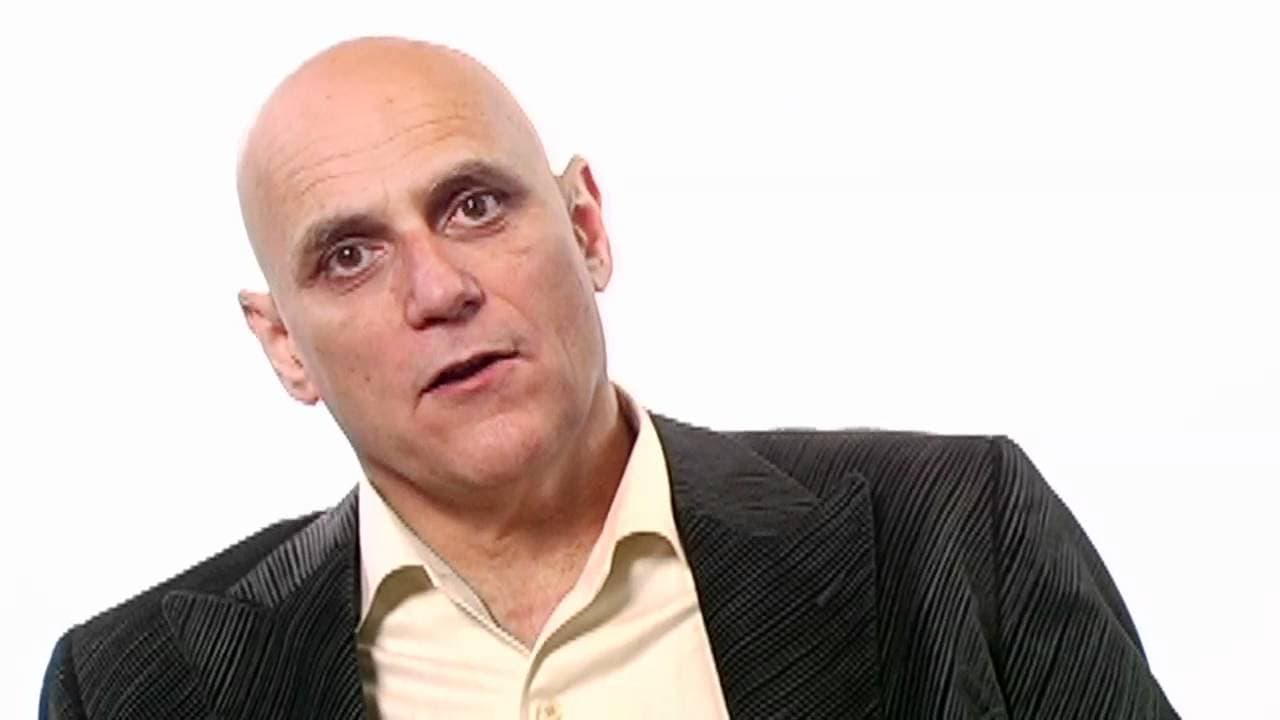
This video discusses how the speaker's personal experiences led them to explore psychology and integrate Eastern traditions into their practice to help individuals find peace and empowerment.
Transcript
well I'm in Psychology probably the way a lot of people get into psychology you're interested in why there's so much pain and suffering around you I certainly saw that at home uh just growing up and decided early on that it was a place to put my science interests and also just my humanitarian interests and you could put those two together in one fi... Read More
Key Insights
- 👨🎨 Psychology often arises from a personal desire to understand and alleviate pain and suffering.
- 🥺 Traditional therapy methods may not be effective for everyone, leading to the integration of mindfulness and acceptance practices.
- 🙈 Values and taking action towards a fulfilling life are seen as more important in ACT than solely focusing on cognitive processes.
- 💦 ACT has gained widespread application in various fields beyond psychotherapy, such as behavioral medicine, organizational work, and prevention efforts.
- 🥺 Pain and values are interconnected, and focusing on values can lead to a more fulfilling life.
- 😨 Memories of feeling connected, vital, and energized can help guide individuals towards what they truly care about.
- ❓ Psychology should not solely focus on abnormal processes but also on understanding and addressing normal processes that contribute to human suffering.
Install to Summarize YouTube Videos and Get Transcripts
Explore YouTube Video Summarizer or Get YouTube Transcript Extractor
Questions & Answers
Q: How did the speaker's personal experiences influence their interest in psychology?
The speaker's upbringing and personal struggles with panic disorder sparked their curiosity about the reasons behind pain and suffering, leading them to pursue psychology as a way to combine scientific and humanitarian interests.
Q: Why did the speaker turn to mindfulness and acceptance practices?
Traditional cognitive-behavioral therapy methods didn't fully address the speaker's needs when dealing with panic disorder. They found more benefit in mindfulness and acceptance practices, which led them to integrate these approaches into their work.
Q: What is the key difference between traditional cognitive-behavioral therapy and acceptance and commitment therapy (ACT)?
Traditional CBT focuses on changing thinking patterns, while ACT emphasizes noticing and learning from thoughts and emotions, while also focusing on values and taking action towards a fulfilling life.
Q: How has ACT expanded beyond psychotherapy?
ACT has expanded into behavioral medicine, organizational work, and prevention efforts. It is being applied in various settings such as schools and communities, making psychology more accessible and empowering.
Summary & Key Takeaways
-
The speaker's interest in psychology grew from observing pain and suffering in their own life.
-
Having experienced panic disorder, they found that traditional cognitive-behavioral therapy methods didn't fully address their needs, leading them to explore mindfulness and acceptance practices.
-
The speaker embarked on a 30-year journey to understand the essence of clinical, spiritual, and religious traditions, integrating these principles into their work.
Read in Other Languages (beta)
Share This Summary 📚
Summarize YouTube Videos and Get Video Transcripts with 1-Click
Try YouTube Summary with ChatGPT & Claude or YouTube Transcript Generator
Explore More Summaries from Big Think 📚

Summarize YouTube Videos and Get Video Transcripts with 1-Click
Try YouTube Summary with ChatGPT & Claude or YouTube Transcript Generator