What Did NVIDIA GTC DC Day Two Cover?
TL;DR
NVIDIA GTC DC’s Day Two keynote explores how machine learning and deep learning could help address cancer, a disease that does not reliably follow rules humans can explicitly define. Cancer Moonshot speaker Dr. Jerry Lee connects this challenge with AI, while the event also features healthcare sessions, VR demonstrations, real-time ray tracing, and point-cloud visualization. Read on for the keynote’s core ideas, featured data, and vision for cancer care.
Transcript
thank you very much and welcome to the second day of our first GTC here in uh in Washington DC and I hope you thought the first day was great I certainly did um as I mentioned at the at the beginning yesterday if you happen to catch the uh the opening session we're completely sold out both for the conference itself and also for the Deep learning tr... Read More
Key Insights
- ♋ The Cancer Moonshot initiative is focused on leveraging machine learning and deep learning to accelerate progress in cancer research.
- 😫 A historical data set of genomic and proteomic data from 12,000 patients is available to researchers, providing a valuable resource for further analysis and discoveries.
- 💦 The initiative is working towards developing a national learning healthcare system for cancer, which would facilitate data sharing and collaboration among researchers and healthcare providers.
- 🎰 Machine learning and deep learning techniques have the potential to revolutionize cancer treatment by identifying patterns and making predictions about treatment efficacy and patient outcomes.
Install to Summarize YouTube Videos and Get Transcripts
Explore YouTube Video Summarizer or Get YouTube Transcript Extractor
Questions & Answers
Q: What is the NVIDIA GTC DC Day Two keynote about?
The keynote focuses on the potential application of machine learning and deep learning to cancer research and care. Dr. Jerry Lee frames cancer as a difficult problem because it can evade the rules humans expect it to follow, making it relevant to methods that work when explicit rules are difficult or infeasible to write.
Q: Who is the Day Two keynote speaker at NVIDIA GTC DC?
The keynote speaker is Dr. Jerry Lee, introduced as the deputy director for cancer research and technology for the Cancer Moonshot Task Force. He previously spent a decade at the National Cancer Institute and also serves as an adjunct professor at Johns Hopkins University.
Q: What is the goal of the Cancer Moonshot initiative?
The Cancer Moonshot initiative aims to accelerate progress in cancer research and improve treatment and patient outcomes. Its work emphasizes the potential use of machine learning and deep learning to analyze complex cancer data.
Q: Why could machine learning be useful for cancer research?
Dr. Jerry Lee says machine learning works best when writing explicit rules to solve a problem is infeasible or difficult. He connects that strength to cancer because the disease can appear to obey its own rules and find ways around the rules humans expect it to follow.
Q: What cancer data is available to researchers?
Researchers have access to a historical data set containing genomic and proteomic information from 12,000 patients. The data provides a foundation for further analysis and potential discoveries in cancer research.
Q: How could AI support cancer treatment decisions?
Machine learning and deep learning can be used to analyze genomic and proteomic data, identify patterns, and predict treatment efficacy and patient outcomes. The initiative envisions such capabilities helping physicians and supporting more individualized cancer care.
Q: What is the envisioned national learning healthcare system for cancer?
The initiative seeks to develop a national learning healthcare system that makes cancer data easier to share and use. The intended result is stronger collaboration among researchers and healthcare providers and improved patient care and outcomes.
Q: What else was featured at NVIDIA GTC DC besides the cancer keynote?
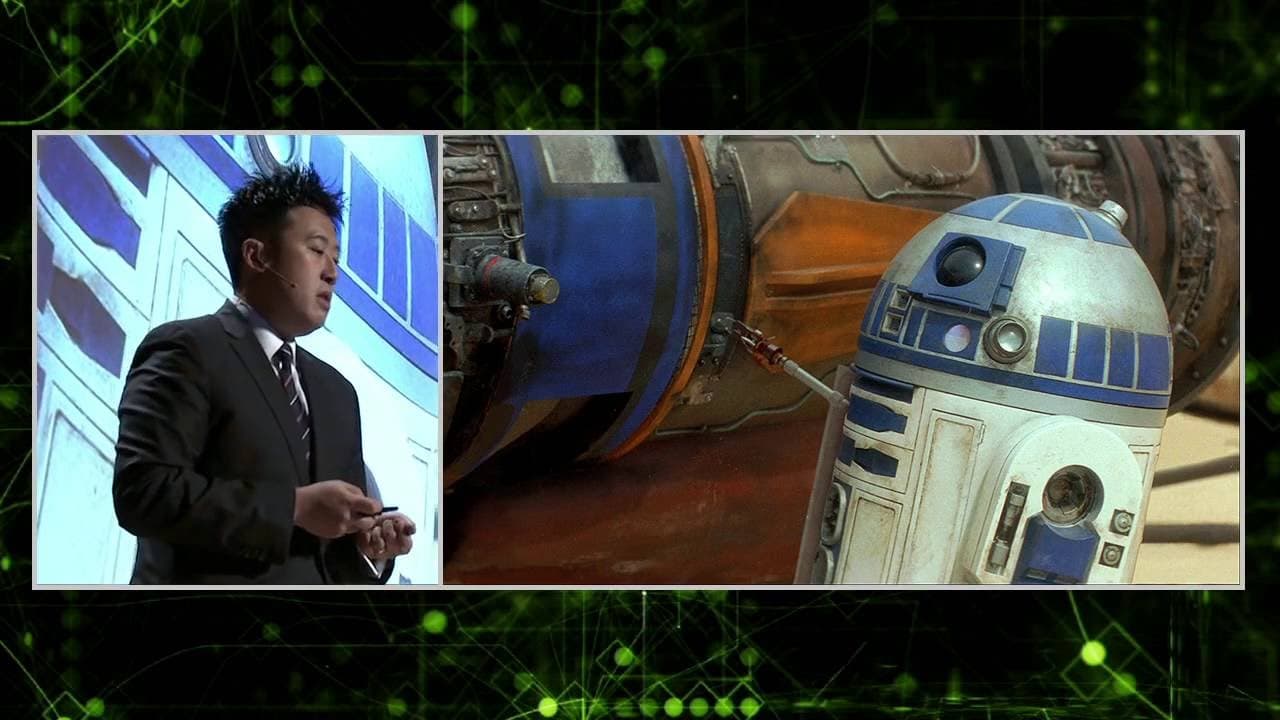
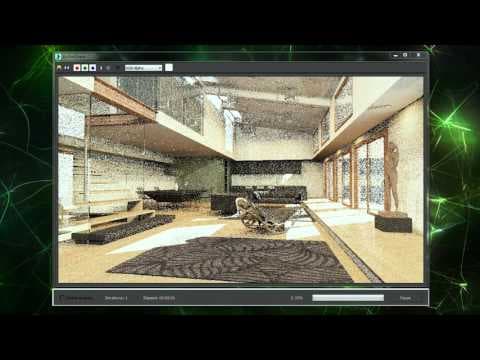
The conference included deep-learning training through the NVIDIA Deep Learning Institute, healthcare sessions, sponsor demonstrations, and NVIDIA demonstrations. Featured visual technologies included VR, real-time ray tracing, light-field demonstrations, and point-cloud visualization used while NVIDIA was building its campus.
Summary & Key Takeaways
-
The Cancer Moonshot initiative is focused on accelerating progress in cancer research, with a particular emphasis on utilizing machine learning and deep learning techniques.
-
A historical data set of genomic and proteomic data from 12,000 patients is available to researchers, providing a foundation for further analysis and discoveries.
-
The initiative is also working on developing a national learning healthcare system for cancer, which would allow for improved data sharing and collaboration in cancer research and treatment.
Read in Other Languages (beta)
Share This Summary 📚
Summarize YouTube Videos and Get Video Transcripts with 1-Click
Try YouTube Summary with ChatGPT & Claude or YouTube Transcript Generator
Explore More Summaries from NVIDIA 📚

Summarize YouTube Videos and Get Video Transcripts with 1-Click
Try YouTube Summary with ChatGPT & Claude or YouTube Transcript Generator