How to Prove Your Value in a Tough Job Interview
TL;DR
Strong candidates prove their value by arriving on time, acting professionally, following instructions, and demonstrating what they can do under pressure. Grant Cardone uses background checks, direct questioning, and a 60-second sales drill to distinguish claimed ambition from observable intelligence, competence, skill, resilience, and sales ability.
Transcript
I'm sick of hiring people that are uninspired. I'm done with people that make more excuses than they can make money. I'm over the book-smart and the people-stupid. I'll throw up again if I hear about what you did rather than what you can do. This isn't a contest. This isn't a challenge. This is the way I hire people. And I have two rules. One, find... Read More
Key Insights
- Punctuality is treated as direct evidence of commitment in Cardone's hiring process. Jaime admits arriving at approximately 2:01 after calling at 1:54, and Cardone immediately tells her to leave because he believes lateness conflicts with having a whatever-it-takes attitude.
- Professional presentation is evaluated through small observable behaviors, not merely through an applicant's claims. Toshiba's gum becomes a significant issue because Cardone considers chewing gum during an interview unprofessional, even though she emphasizes her desperation for work and explains that she needs the job.
- Background checks are used to test honesty and understand candidates' histories before deeper evaluation. Kimberly's record includes writing checks without sufficient money, driving without a license, and a DUI, while Rese's record involves cocaine possession with intent to sell when he was younger.
- Past wrongdoing is not presented as an automatic disqualification when a candidate accepts responsibility and shows change. Rese says his cocaine offense occurred roughly 12 years earlier, that he completed probation, and that he does not want to waste more years sitting around.
- An employer's hiring decision is described as an investment in an unknown person. Cardone tells Jeff that an unproven applicant may initially appear as replaceable as a glass of water, placing responsibility on the candidate to demonstrate distinctive and commercially useful value.
- The 60-second sales drill is designed to reveal ability quickly under pressure. Candidates must choose between selling a glass of water and selling themselves, giving Cardone evidence about confidence, communication, persuasion, focus, and whether they can convert broad claims into a concise pitch.
- Following instructions is part of the evaluation, not separate from sales ability. David says he will sell himself but then sells the water, creating a mismatch between his stated choice and his action that Cardone explicitly notices and questions.
- Specific achievements make a self-presentation more credible than vague declarations of ambition. Stephanie cites experience at Burson-Marsteller, says she managed a major tourism account within three months, and identifies a budget exceeding $1 million, while other candidates rely more heavily on general claims about effort or personality.
Install to Summarize YouTube Videos and Get Transcripts
Explore YouTube Video Summarizer or Get YouTube Transcript Extractor
Questions & Answers
Q: How can a candidate prove value in a tough job interview?
A candidate can prove value by arriving on time, presenting professionally, answering difficult questions honestly, following instructions, and demonstrating useful skills under pressure. Cardone is openly frustrated by applicants who discuss only what they previously did, so his process emphasizes what they can do now. The one-minute exercise requires candidates to turn their claims into an observable sales performance.
Q: Why does punctuality matter in Grant Cardone's interview process?
Punctuality matters because Cardone treats it as evidence of preparation, discipline, and commitment. Jaime says she arrived at approximately 2:01 and had called at 1:54, but she still acknowledges being late. Cardone tells her that she does not have whatever it takes and asks her to leave, showing that advance notice does not erase the failure to arrive on time.
Q: What is the purpose of the glass-of-water sales challenge?
The challenge gives each applicant one minute to sell either a glass of water or themselves. Cardone says he learns a great deal about someone in 60 seconds, and the exercise exposes how candidates think and communicate under pressure. It also tests persuasion, confidence, clarity, choice, and the ability to present benefits or personal value without extensive preparation.
Q: What qualities is Grant Cardone looking for in job candidates?
Cardone explicitly says he wants intelligence, competence, skill, and a whatever-it-takes quality. He also insists on finding great people and never tolerating average performance. Throughout the interviews, he looks for punctuality, professionalism, honesty, resilience, persuasive ability, and evidence that a candidate can contribute to the company's expansion rather than merely claim to be ambitious or hardworking.
Q: How are background checks used during the job interview?
Background checks provide information that Cardone uses for direct questioning and evaluation. Kimberly's check reveals check-related offenses, repeated driving without a license, and a DUI. Rese's check reveals cocaine possession with intent to sell. The process then examines whether each person is honest about the past, accepts responsibility, and can explain what has changed since those events.
Q: Can a criminal record automatically disqualify a candidate in this interview?
A criminal record is not shown as an automatic disqualification. Cardone questions Kimberly and Rese directly about their histories, but he also listens to their explanations. He responds positively to the fact that Rese disclosed his past immediately and discusses rehabilitation and a legitimate opportunity. The evaluation therefore considers honesty, completed consequences, personal change, and present intentions alongside the offense itself.
Q: Why is following instructions important in a sales interview?
Following instructions shows whether a candidate can listen carefully and align an action with a stated decision. In the exercise, David says he will choose to sell himself, but then proceeds to sell the glass of water. Cardone explicitly points out the contradiction. The moment suggests that energetic delivery alone does not compensate for failing to execute the choice that was communicated.
Q: What makes a self-presentation credible during an interview?
A credible self-presentation connects personal qualities to specific evidence. Stephanie identifies a major PR agency, describes being hired after sustained effort, and says she managed a significant tourism account within three months with a budget exceeding $1 million. By contrast, general claims about working hard, being personable, or wanting success provide less concrete evidence of what an applicant can deliver.
Summary & Key Takeaways
-
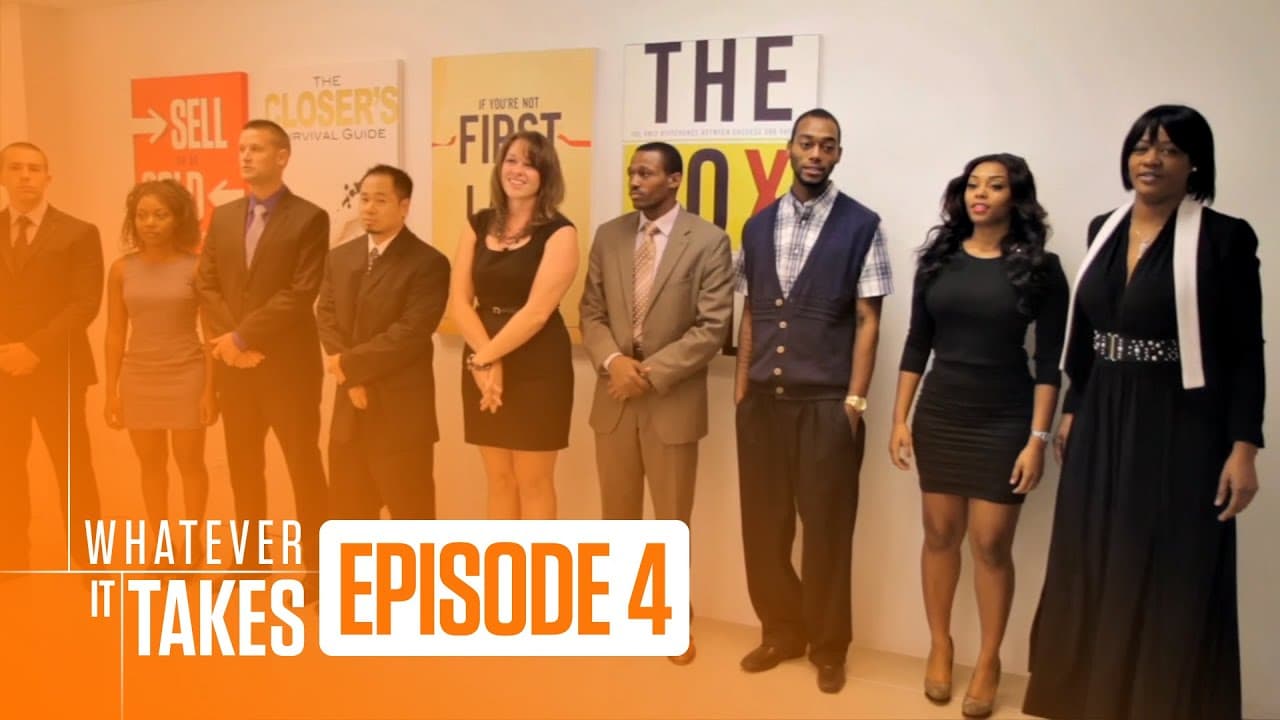
Grant Cardone presents an unconventional hiring process built around two rules: find great people and never tolerate average performance. Candidates introduce themselves, discuss their work histories and financial pressures, and face blunt questions intended to expose excuses, poor preparation, weak professionalism, and differences between what applicants claim and what they demonstrate.
-
Background checks reveal criminal histories for Kimberly and Rese, while punctuality immediately becomes a test for Toshiba and Jaime. Cardone dismisses Jaime for arriving late, challenges Toshiba for chewing gum, and questions other candidates about their past decisions. He also treats honesty, rehabilitation, persistence, and accountability as relevant evidence when evaluating applicants.
-
The central practical exercise gives each candidate one minute to sell either a glass of water or themselves. Responses reveal whether applicants can follow directions, communicate clearly, identify benefits, handle pressure, and present their value. Cardone argues that employers invest in unknown candidates, so applicants must demonstrate why they are not interchangeable.
-
Key Insights Collection
Read in Other Languages (beta)
Share This Summary 📚
Summarize YouTube Videos and Get Video Transcripts with 1-Click
Try YouTube Summary with ChatGPT & Claude or YouTube Transcript Generator