What Behaviors Indicate Someone Is Faking Insanity?
TL;DR
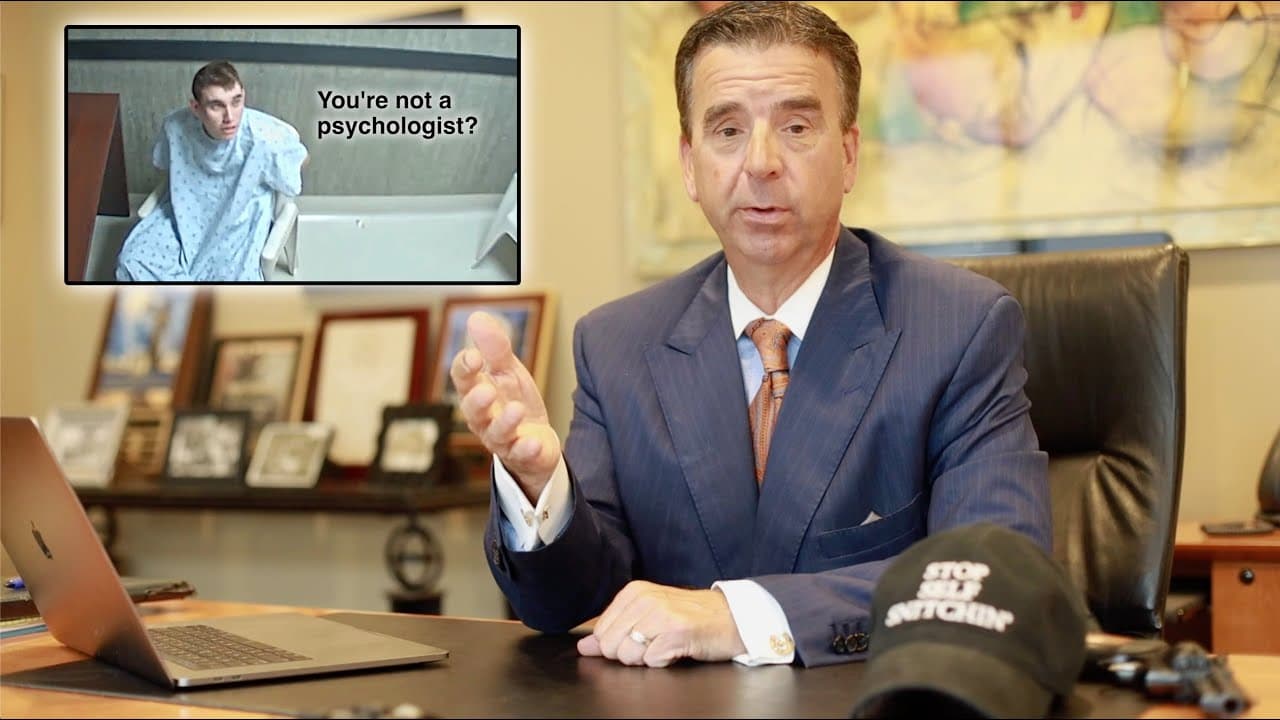
Behaviors such as feigned hysteria, panic attacks, and self-loathing in an interrogation may indicate an attempt to fake insanity. The Parkland shooter's shifting demeanor during questioning reveals calculated manipulation. Ultimately, deceptive claims are often undermined by contradictory statements and evidence, making it unlikely for such tactics to succeed in court.
Transcript
hi this is bruce rivers welcome to another episode of criminal lawyer reacts where i am a board-certified criminal defense lawyer reacting to music reacting to um various videos and today we're doing part two of what pretending to be crazy looks like now uh this is the parkland shooter um and we got about you know a good chunk of the way into watch... Read More
Key Insights
- 💼 Faking mental illness in a criminal case is unlikely to succeed, as calculated behavior and contradictory statements can reveal the defendant's true intentions.
- 💁 The detective aims to gather as much information as possible, establish a motive, and provide closure to victims' families through the shooter's statements.
- ❓ The shooter's behavior shifts from feigned hysteria to moments of clarity and engagement, suggesting calculated manipulation.
- 🎮 The existence of a deleted video expressing the shooter's intentions undermines his claims of being controlled by demonic voices.
- 👊 The shooter's attempts to fake mental illness include panic attacks, self-loathing, and feigned psychosis.
- 🕵️ The detective navigates a delicate balance between confronting the shooter's behavior and maintaining rapport during the interrogation.
- 😨 The shooter's desire for a lawyer and fear of self-harm indicate a realization that his manipulation tactics may not work in his favor.
Install to Summarize YouTube Videos and Get Transcripts
Explore YouTube Video Summarizer or Get YouTube Transcript Extractor
Questions & Answers
Q: Can the shooter's fabricated insanity defense be successful in court?
Faking mental illness in criminal cases is rarely successful, as the defendant's calculated behavior and contradictions can undermine their claims.
Q: Why does the detective continue the interrogation despite the shooter's attempts to fake mental illness?
The detective aims to gather more information, establish a profile and motive, and potentially offer answers to the victims' families through the shooter's statements.
Q: How does the shooter's behavior change during the interrogation?
The shooter shows a noticeable shift in demeanor, transitioning from feigned hysteria to a more calm and engaged state when discussing personal losses and background information.
Q: What evidence undermines the shooter's mental health defense?
The existence of a deleted video on the shooter's phone, where he expresses his intention to commit the shooting, contradicts his claims of being controlled by demonic voices.
Summary & Key Takeaways
-
The video analyzes the interrogation of the Parkland shooter and focuses on his attempts to fake insanity.
-
The detective explains the requirements for invoking Miranda rights and discusses the potential use of the shooter's statement if he decides to testify.
-
The shooter's behavior shifts throughout the interrogation, including feigned hysteria, panic attacks, and self-loathing.
-
(Content reviewed on 2026-08-27.)
Read in Other Languages (beta)
Share This Summary 📚
Summarize YouTube Videos and Get Video Transcripts with 1-Click
Try YouTube Summary with ChatGPT & Claude or YouTube Transcript Generator
Explore More Summaries from CLR Bruce Rivers 📚
Summarize YouTube Videos and Get Video Transcripts with 1-Click
Try YouTube Summary with ChatGPT & Claude or YouTube Transcript Generator