Is Yellowface a Sharp Publishing Industry Satire?
TL;DR
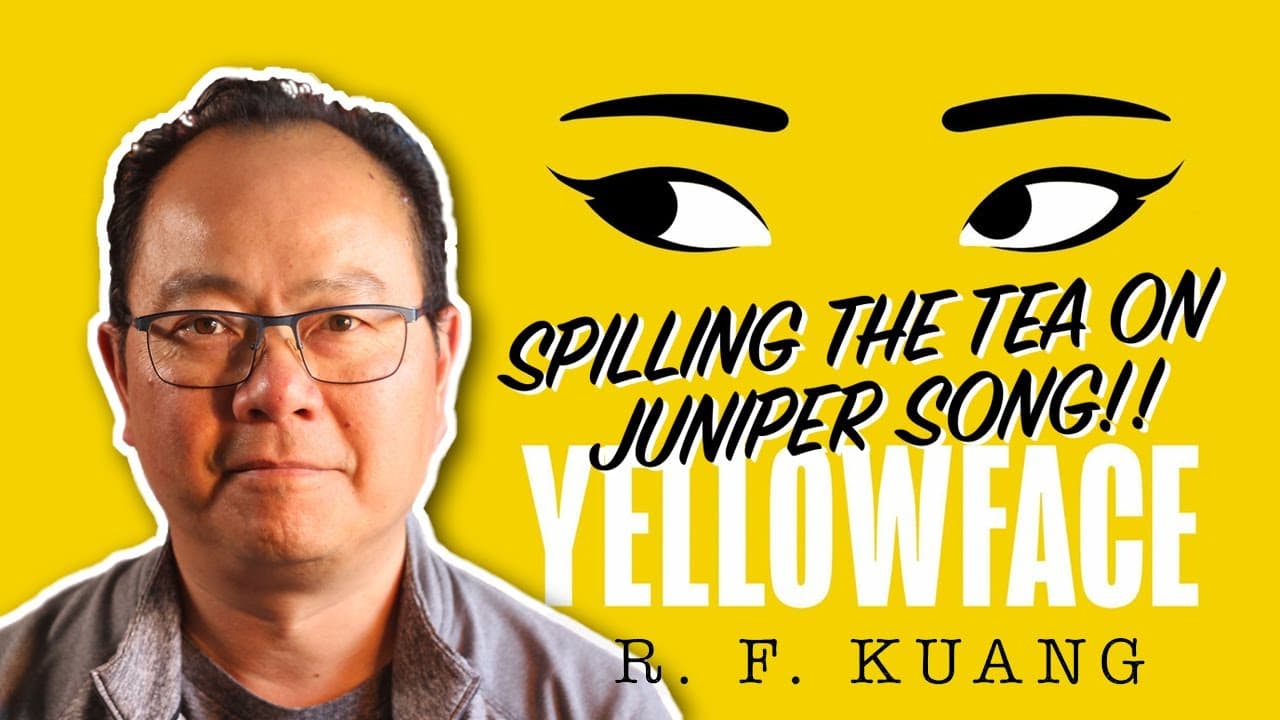
Yellowface is highly recommended as a smart, cynical publishing thriller about plagiarism, cultural identity, literary ambition, and online backlash. Its story remains accessible to general readers, but people familiar with Book Twitter, Goodreads controversies, consumerism debates, and publishing scandals will recognize additional references that make the satire especially compelling.
Transcript
it's already being positioned as the it book of the spring summer season and I'm expecting a full court press of marketing hype and internet Buzz behind us honestly it feels like it's been fashioned in some fiction Frankenstein Labs specifically to generate interest in the small bookish corner of the internet though I do wonder if normies Will grav... Read More
Key Insights
- June Haywood's central crime is the theft of Athena Liu's previously undisclosed manuscript after Athena dies in a freak accident. Because Athena never discussed unfinished projects, June believes no one knows the manuscript exists, allowing one initial theft to develop into repeated deception.
- June's transformation into Juniper Song is a calculated publishing reinvention that makes her name sound more ethnically ambiguous. Her revised version of Athena's manuscript, released as The Last Front, earns critical acclaim and bestseller status after June's own debut sold only about 2,000 copies.
- Yellowface is a publishing thriller that works for general readers while rewarding people familiar with online book culture. References to outlets, awards, Book Twitter, BookTok, BookTube, Goodreads, consumerism debates, and industry controversies create an additional layer of recognition for deeply engaged readers.
- June Haywood is portrayed as calculating, entitled, racially oblivious, and shaped by the publishing machine rather than simply evil. This partial sympathy complicates the moral judgment because her choices are indefensible, yet her envy and insecurity grow from a career defined by obscurity beside Athena's success.
- Athena Liu is depicted as successful and marketable but also opportunistic, imperious, tone-deaf, and sometimes insufferable. Her identity and achievements make her attractive to publishers while also exposing her to misogynistic hostility, backlash, and pressure to turn racial pain into commercially useful commentary.
- Publishing publicity is shown as a system that can convert controversy into attention and sales. The discussion of American Dirt notes that criticism and disputed claims of personal connection did not prevent commercial momentum, while its planned first printing increased from 300,000 to half a million copies.
- Online engagement with negative reviews is presented as a losing strategy for authors. June's retaliation against a one-star Goodreads review resembles the cited controversy involving Lauren Hough, whose criticism of a four-star reviewer helped make her a target of Book Twitter and Goodreads review bombing.
- The ending is described as cynical, satisfying, and perfectly suited to the novel's themes. The reviewer initially worries that the story may not resolve successfully, but concludes that Kuang lands the conclusion while preserving the uncomfortable relationship among authorship, publicity, resentment, and internet discourse.
Install to Summarize YouTube Videos and Get Transcripts
Explore YouTube Video Summarizer or Get YouTube Transcript Extractor
Questions & Answers
Q: What is Yellowface about?
Yellowface follows June Haywood, an unsuccessful novelist whose debut faded into obscurity while her friend Athena Liu became a celebrated author. After Athena dies in a freak accident, June takes her completed, undisclosed manuscript about Chinese laborers during World War One. June revises it, publishes it as her own under the name Juniper Song, and enters a cycle of acclaim, deception, criticism, and online controversy.
Q: Why does June Haywood steal Athena Liu's manuscript?
June is frustrated by the enormous gap between her stalled career and Athena's success. Her own novel sold about 2,000 copies and never reached paperback, while Athena received a six-figure deal, major profiles, and discussions about Netflix adaptation rights. When Athena dies and leaves behind a finished manuscript unknown to everyone else, June sees an opportunity, takes it, and begins making increasingly damaging decisions.
Q: How does June Haywood become Juniper Song?
June adopts the name Juniper Song as her publishing career is rebuilt around Athena's stolen manuscript. The name sounds ethnically ambiguous, which complements the publisher's carefully framed presentation of her biography and the book's subject matter. The reinvention helps illustrate how publishing can package an author's identity for commercial purposes while leaving readers with misleading implications about authority, background, and personal connection to a story.
Q: Is Yellowface accessible without knowing Book Twitter lore?
Yellowface remains understandable as a commercial publishing thriller even for readers unfamiliar with specialized online book culture. Its central plot about theft, ambition, identity, and exposure does not require knowledge of particular websites or scandals. However, readers who recognize Electric Literature, Book Riot, Goodreads disputes, BookTok commentary, BookTube videos, and debates about bookish consumerism will find additional jokes, parallels, and industry commentary.
Q: How does Yellowface satirize the publishing industry?
Yellowface depicts publishing as a machine that sells stories alongside carefully constructed author identities. Publishers emphasize suggestive biographical details, place writers into ethnic niches, and treat cultural pain as material for marketable commentary. The novel also shows how acclaim, resentment, publicity, online outrage, and accusations of inauthenticity interact, leaving authors vulnerable even when controversy increases attention and sales.
Q: Why is Athena Liu important to the novel's satire?
Athena embodies both the rewards and pressures attached to literary success. She receives a six-figure deal, favorable major-media profiles, and adaptation interest, but she is not presented as flawless. She can be opportunistic, imperious, tone-deaf, and resistant to producing another immigrant story for a white audience. Her position also subjects her to misogynistic hate and demands that she publicly convert racial trauma into commentary.
Q: What does Yellowface say about authors responding to negative reviews?
Yellowface suggests that authors usually lose when they retaliate against reviewers or online critics. June takes revenge on a one-star Goodreads review and becomes the focus of a larger storm involving Twitter commentary, TikTok reactions, and BookTube coverage. The review compares this pattern with Lauren Hough criticizing a four-star Goodreads reviewer, an episode that reportedly led to intense Book Twitter attention and review bombing.
Q: Why does the reviewer recommend Yellowface?
The reviewer recommends Yellowface because it combines an accessible thriller plot with sharp observations about authorship, publishing, cultural identity, publicity, and bookish internet behavior. June remains morally compromised without becoming completely unsympathetic, while Athena retains difficult and imperfect qualities. The familiar echoes of real literary controversies add depth for online readers, and the ending is judged both cynical and satisfying.
Summary & Key Takeaways
-
June Haywood watches her more successful writer friend, Athena Liu, die in a freak accident, then secretly takes Athena's completed manuscript about Chinese laborers during World War One. June revises the work, submits it as her own, adopts the more ambiguous name Juniper Song, and achieves the literary success that previously eluded her.
-
The novel satirizes a publishing system that packages writers through marketable identities, carefully framed biographies, ethnic niches, and narratives of personal authenticity. Its fictional controversies recall disputes involving American Dirt, claimed cultural identities, Goodreads arguments, review bombing, and authors who become temporary targets of intense online criticism after engaging with detractors.
-
Yellowface combines the accessible structure of a commercial thriller with detailed references for readers steeped in online literary culture. The reviewer finds June calculating, entitled, and racially oblivious without making her wholly unsympathetic, praises the book's portrayal of successful authors' pressures, and considers its cynical yet satisfying ending perfectly judged.
Read in Other Languages (beta)
Share This Summary 📚
Summarize YouTube Videos and Get Video Transcripts with 1-Click
Try YouTube Summary with ChatGPT & Claude or YouTube Transcript Generator
Explore More Summaries from ThePoptimist 📚




Summarize YouTube Videos and Get Video Transcripts with 1-Click
Try YouTube Summary with ChatGPT & Claude or YouTube Transcript Generator