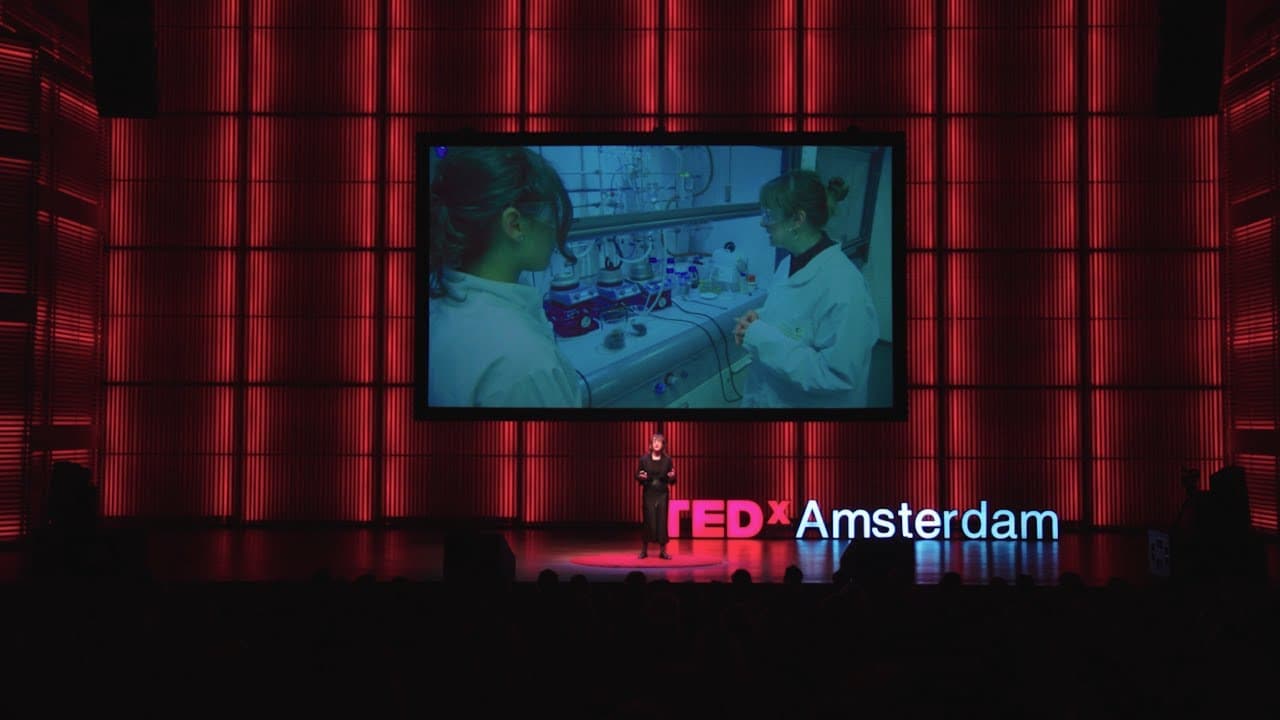
The Value of Human Waste | Zsofia Kollar | TEDxAmsterdam
TL;DR
Human Material Loop is turning waste human hair into high-performance, eco-friendly materials for the textile industry.
Transcript
Transcriber: Walaa Mohammed Reviewer: Emma Gon I was sitting in a hair salon. Seeing huge piles of hair being swept into the bin. I couldn’t stop thinking. What can we do with all that hair? After all, hair is the same keratin fiber as wool. I’m Zsofia. I’m the founder of Human Material Loop with a mission to create a true textile revolution. The... Read More
Key Insights
- 🪡 The textile industry is highly polluting and in need of sustainable materials.
- 👱 Human hair waste from salons globally amounts to 2.2 billion kilograms.
- 💟 Human Material Loop has developed technologies to transform waste hair into eco-friendly materials.
- 👱 The goal is to turn 500 million kilograms of waste hair into a valuable resource.
- ✋ The focus is on utilizing the strength of keratin for high-performance materials.
- 🧑🏭 Factories worldwide can produce these materials through a plug-in solution.
- 🥶 Recycled human hair materials offer a natural, chemical-free alternative to traditional textiles.
Install to Summarize YouTube Videos and Get Transcripts
Explore YouTube Video Summarizer or Get YouTube Transcript Extractor
Questions & Answers
Q: How does Human Material Loop transform waste human hair into textiles?
Human Material Loop utilizes science and proven technology to develop high-performance materials from waste human hair. Through research and development, they have created prototypes and fabrics, securing their supply of raw materials.
Q: What are the benefits of using recycled human hair materials?
Using recycled human hair materials eliminates the need for harmful chemicals and microplastics found in traditional textiles. These materials are 100% natural and eco-friendly, providing a sustainable alternative for various products.
Q: How does Human Material Loop plan to expand globally?
Human Material Loop has engineered a plug-in solution that allows existing factories worldwide to produce their materials. This approach enables them to establish a global presence and cater to the demand for sustainable textiles.
Q: How can individuals contribute to this textile revolution?
Individuals can contribute to this revolution by being conscious of their hair waste and considering the potential uses for it. By supporting brands and designers working with recycled human hair materials, consumers can help drive the demand for sustainable products.
Summary & Key Takeaways
-
The textile industry is highly polluting, and Human Material Loop aims to revolutionize it by utilizing waste human hair.
-
They have developed technologies to transform hair into high-performance materials, without using pesticides or polluting water.
-
Human Material Loop seeks to create a market for their innovative products and turn 500 million kilograms of waste hair into a valuable resource.
Read in Other Languages (beta)
Share This Summary 📚
Summarize YouTube Videos and Get Video Transcripts with 1-Click
Try YouTube Summary with ChatGPT & Claude or YouTube Transcript Generator
Explore More Summaries from TEDx Talks 📚

Summarize YouTube Videos and Get Video Transcripts with 1-Click
Try YouTube Summary with ChatGPT & Claude or YouTube Transcript Generator