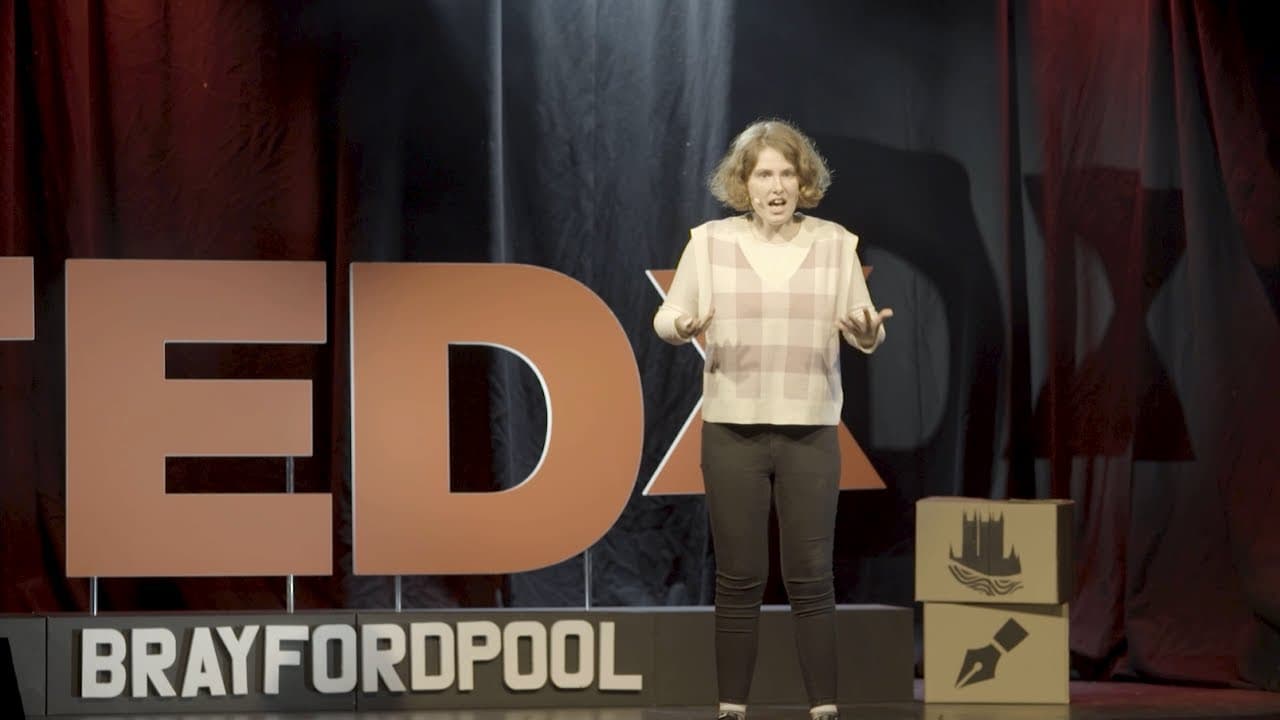
Making space for queer history | Olivia Hennessy | TEDxBrayford Pool
TL;DR
Rural museums can make space for queer history by collaborating with intersectional communities, funding temporary projects, and adding marginalized narratives to existing exhibitions. Olivia Hennessy argues that representation should continue beyond Pride Month or LGBTQ+ History Month and highlights Lincolnshire stories, including a June 2023 counter-protest attended by over 300 people. Read on for concrete steps toward museums and community spaces where visitors feel represented, heard, and safe.
Transcript
as a member of the queer Community I passionate about both our history and visibility throughout my journey as a history undergraduate I have aimed to amplify these voices as a result I wrote my disertation on the qu museum in London in which I aim to assess how they represent and intersectional identities as a 21st century British museum space I a... Read More
Key Insights
- 👾 Collaboration between organizations and intersectional communities is essential to creating safe and inclusive spaces in rural areas.
- 👾 Hidden histories in rural areas like Lincolnshire should be represented in museums and community spaces.
- ❓ Curatorial activism and community action are effective strategies to disrupt traditional narratives and amplify marginalized voices.
- ❓ Institutional commitment is crucial for sustained representation and collaboration.
Install to Summarize YouTube Videos and Get Transcripts
Explore YouTube Video Summarizer or Get YouTube Transcript Extractor
Questions & Answers
Q: How can rural museums make space for queer history?
Rural museums can collaborate with intersectional communities on themed events, secure funding for small projects such as temporary exhibitions, and add intersectional narratives to existing exhibitions. Olivia Hennessy presents these actions as ways to help visitors see themselves in museums and make the spaces feel safer and more inclusive.
Q: What does Olivia Hennessy mean by intersectionality?
Intersectionality describes where multiple communities overlap, including race, gender, class, and religion. Hennessy argues that communities are not separate and that recognizing these overlaps helps people feel represented and heard.
Q: Why should museums represent hidden histories in rural areas such as Lincolnshire?
Hennessy says Lincolnshire has a rich history, but many stories remain untold in museums and community spaces. Sharing them can create a larger historical picture and help visitors perceive themselves within those spaces.
Q: What hidden histories from Lincolnshire does Olivia Hennessy highlight?
Hennessy says that 550 air crew and 6,000 ground crew of African origin served in Bomber Command. She also identifies the Bishop of Grantham as the first Church of England bishop to come out openly as gay and in a relationship.
Q: What happened at the Lincolnshire counter-protest in June 2023?
Lincoln drag queens led a counter-protest against anti-transgender advocates in June 2023. More than 300 people attended, which Hennessy presents as evidence that community action matters in rural spaces and that history continues to be made.
Q: What is curatorial activism in queer exhibition-making?
Hennessy describes curatorial activism as using exhibition-making to disrupt, argue, and invent spaces through storytelling. She points to EJ Scott, curator of the Museum of Transology in Brighton, as an inspiration for combining curatorial activism with community action.
Q: Why are themed events and temporary exhibitions useful first steps?
Themed events can foster acceptance, build connections between organizations and intersectional communities, and bring multiple communities together to display work. Funding temporary exhibitions can support placards, protest images, or art competitions about belonging and community action, helping more visitors see themselves represented.
Q: Why should queer representation continue beyond Pride Month?
Hennessy found during her undergraduate dissertation research that several queer exhibitions appeared only during Pride Month or LGBTQ+ History Month. She argues that queer history deserves celebration throughout the year, including through intersectional narratives added to existing exhibitions.
Summary & Key Takeaways
-
The speaker discusses the importance of representing hidden histories and intersectional identities in museums and community spaces, focusing on rural areas like Lincolnshire.
-
They highlight examples of hidden histories in Lincolnshire, such as the presence of African origin air and ground crew in the bomber command and the first openly gay Bishop in the Church of England.
-
The speaker emphasizes the need for curatorial activism and community action to create a safe home environment for intersectional communities, where everyone feels represented and heard.
Read in Other Languages (beta)
Share This Summary 📚
Summarize YouTube Videos and Get Video Transcripts with 1-Click
Try YouTube Summary with ChatGPT & Claude or YouTube Transcript Generator
Explore More Summaries from TEDx Talks 📚
Summarize YouTube Videos and Get Video Transcripts with 1-Click
Try YouTube Summary with ChatGPT & Claude or YouTube Transcript Generator