What Were the Key Changes in the Labour Party's Ideology?
TL;DR
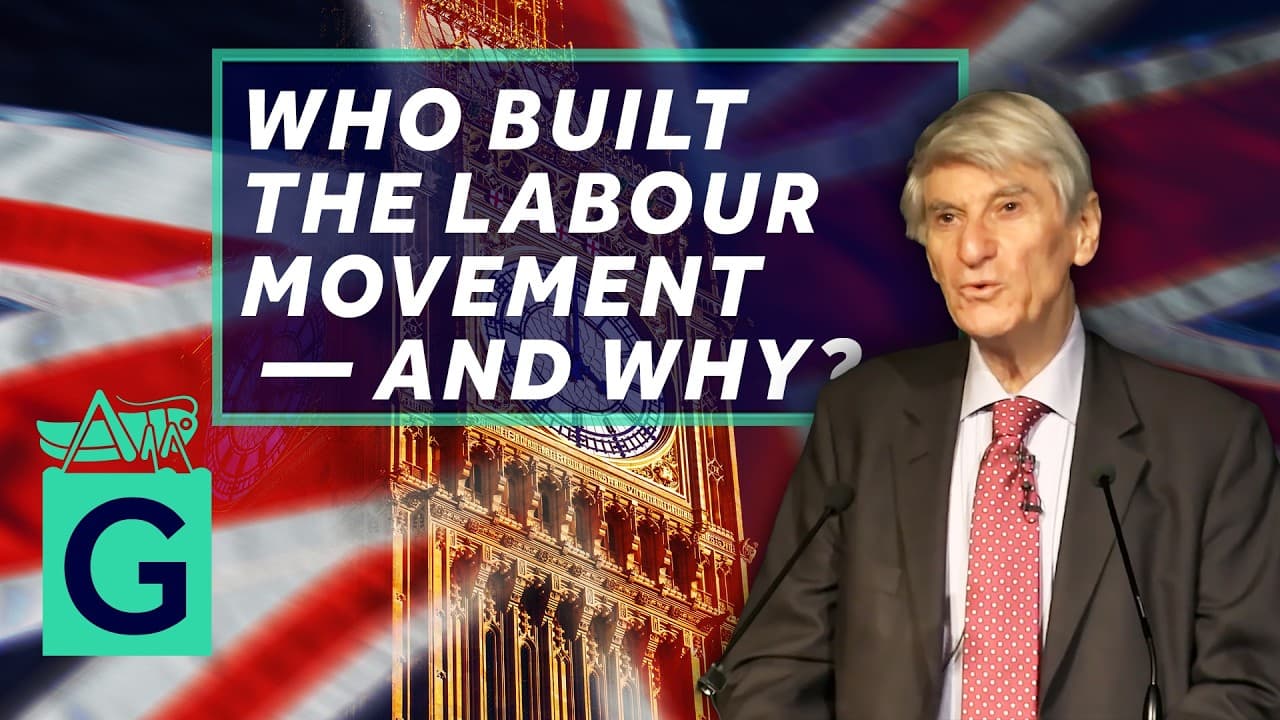
The Labour Party evolved from its socialist origins to embrace social democracy, focusing on practical improvements for the working class rather than radical societal transformation. Significant reforms were achieved under the Atlee government, but challenges emerged in the 1950s and 1980s, notably during Margaret Thatcher's leadership. Tony Blair's New Labour aimed to modernize the party, while Jeremy Corbyn's tenure shifted back towards traditional leftist policies, causing internal divisions.
Transcript
ladies and gentlemen in February 1918 was held at the congregational Memorial Hall in Farringdon Street a building not very far from here but demolished in 1968 and this meeting was held in response to a motion passed by the tea you see in 1899 calling for a special Congress of representatives of labor organizations to devise ways and means for sec... Read More
Key Insights
- 🫚 The Labour Party has evolved from its socialist roots to embrace social democracy, prioritizing practical improvements in working-class conditions over the transformation of society.
- 😮 The rise of Margaret Thatcher's government in 1979 challenged the influence of social democracy and brought changes in economic policy.
- 🥳 Tony Blair's New Labour movement sought to modernize the party and adapt to changing societal and economic conditions.
- ↩️ The leadership of Jeremy Corbyn represented a return to a more traditional left-wing approach, leading to division within the party and concerns about anti-Semitism.
Install to Summarize YouTube Videos and Get Transcripts
Explore YouTube Video Summarizer or Get YouTube Transcript Extractor
Questions & Answers
Q: How did the Labour Party initially form and what were its early challenges?
The Labour Party was formed in 1900 in response to the need for increased labor representation. However, earlier attempts at independent labor representation had been ineffective. The party faced opposition from the Liberal Party and struggled to gain traction in its early years.
Q: How did the focus of the Labour Party shift over time?
Initially, the party aimed to establish independent labor representation in Parliament. However, it gradually shifted its focus to practical improvements in working-class conditions rather than the transformation of society. This shift towards social democracy became more pronounced over the years.
Q: What were the key achievements of the Atlee government?
The Atlee government, which came into power in 1945, introduced significant welfare state reforms. These reforms included the establishment of the National Health Service, the expansion of social security, and the implementation of educational reforms. The government also focused on achieving full employment and reducing poverty.
Q: How did the Labour Party change under Tony Blair's leadership?
Tony Blair's New Labour movement sought to modernize the Labour Party and adapt its policies to the changing economic and societal conditions. This meant moving away from traditional socialist ideals, embracing the market economy, and focusing on social justice within a mixed economy framework.
Q: What challenges has the Labour Party faced in recent years?
The Labour Party has faced division within its ranks and concerns about anti-Semitism under the leadership of Jeremy Corbyn. The party's position on Brexit and its inability to rally widespread support among working-class voters have also presented challenges.
Summary & Key Takeaways
-
The Labour Party was born in 1900 as a response to the need for increased labor representation in Parliament, although independent labor representation had been attempted earlier.
-
The party faced challenges in the early years, including the opposition of the Liberal Party, but eventually gained momentum and saw success under the leadership of Keir Hardie.
-
The party's focus shifted from socialism to social democracy, prioritizing practical improvements in working-class conditions over the transformation of society.
-
The party achieved significant success under the Atlee government, introducing key welfare state reforms, but faced setbacks in the 1950s and 1980s.
-
The advent of Margaret Thatcher's government in 1979 led to a decline in the influence of social democracy and changes in economic policy.
-
Tony Blair's New Labour movement sought to modernize the party and adapt to changing societal and economic conditions.
-
Jeremy Corbyn's leadership, starting in 2015, represented a return to a more traditional left-wing approach, leading to division within the party and concerns about anti-Semitism.
Read in Other Languages (beta)
Share This Summary 📚
Summarize YouTube Videos and Get Video Transcripts with 1-Click
Try YouTube Summary with ChatGPT & Claude or YouTube Transcript Generator
Explore More Summaries from Gresham College 📚


Summarize YouTube Videos and Get Video Transcripts with 1-Click
Try YouTube Summary with ChatGPT & Claude or YouTube Transcript Generator