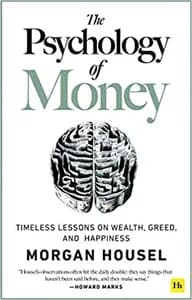
About This Book
"The Psychology of Money" by Morgan Housel is a compelling book that delves into the complex relationship between individuals and money. Housel, a seasoned investor and financial writer, explores the psychological factors that influence our financial decisions and ultimately shape our lives.
Through thought-provoking anecdotes and research-backed insights, Housel emphasizes the importance of understanding our own biases and behaviors when it comes to money. He explains that success in managing finances is not solely dependent on intelligence or mathematical skills, but rather on our ability to navigate the emotional and psychological aspects of money.
With simplicity and clarity, Housel debunks common myths surrounding wealth accumulation and offers practical strategies for building financial resilience over time. He highlights the significance of patience, discipline, and long-term thinking in achieving lasting financial security. Housel also emphasizes the importance of embracing uncertainty and adapting to unforeseen circumstances, urging readers to make peace with the unpredictable nature of the financial landscape.
"The Psychology of Money" is not just a guide to managing finances, but also a meditation on the broader impact money has on our lives. Housel examines how money influences our relationships, our sense of self-worth, and our drive for fulfillment. By illuminating the deep emotional connection we have to money, he encourages readers to prioritize personal happiness and well-being over material accumulation.
In this insightful and concise book, Housel offers a fresh perspective on money that goes beyond the traditional financial advice. By understanding the role of psychology in our financial decisions, readers can gain invaluable insights to help them achieve both financial success and personal contentment.
Through thought-provoking anecdotes and research-backed insights, Housel emphasizes the importance of understanding our own biases and behaviors when it comes to money. He explains that success in managing finances is not solely dependent on intelligence or mathematical skills, but rather on our ability to navigate the emotional and psychological aspects of money.
With simplicity and clarity, Housel debunks common myths surrounding wealth accumulation and offers practical strategies for building financial resilience over time. He highlights the significance of patience, discipline, and long-term thinking in achieving lasting financial security. Housel also emphasizes the importance of embracing uncertainty and adapting to unforeseen circumstances, urging readers to make peace with the unpredictable nature of the financial landscape.
"The Psychology of Money" is not just a guide to managing finances, but also a meditation on the broader impact money has on our lives. Housel examines how money influences our relationships, our sense of self-worth, and our drive for fulfillment. By illuminating the deep emotional connection we have to money, he encourages readers to prioritize personal happiness and well-being over material accumulation.
In this insightful and concise book, Housel offers a fresh perspective on money that goes beyond the traditional financial advice. By understanding the role of psychology in our financial decisions, readers can gain invaluable insights to help them achieve both financial success and personal contentment.
What People Are Saying
“A wonderful and wise book.”
“Housel's observations often hit the daily double: they say things that haven't been said before, and they make sense.”
“Want to read a great book? Go grab Morgan Housel’s new one. Started reading this morning and it doesn’t disappoint!”
“If you haven't read this book, you should”
Revisit Your Highlights, Deepen Your Understanding
Import your Kindle highlights to review, organize, and share the ideas that matter most to you.
Get the free browser extension
Share This Book
More Books in Investing
View More
Poor Charlie's Almanack
Charlie Munger
Antifragile
Nassim Nicholas Taleb
Skin In The Game
Nassim Taleb
Thinking In Bets
Annie Duke
Security Analysis
Benjamin Graham
The Dao of Capital
Mark Spitznagel
The Intelligent Investor
Benjamin Graham
When Genius Failed
Roger Lowenstein
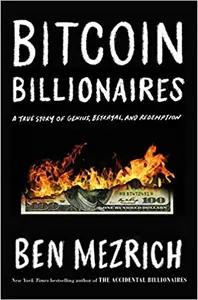
Bitcoin Billionaires
Ben Mezrich
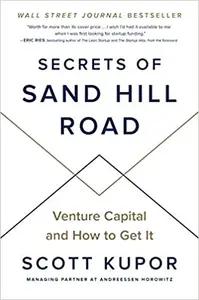
Secrets of Sand Hill Road
Scott Kupor
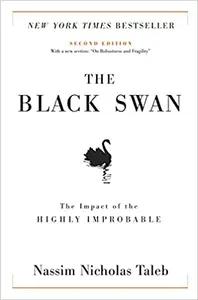
The Black Swan
Nassim Taleb
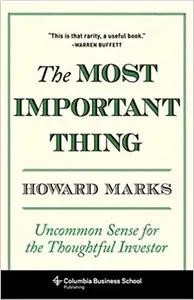
The Most Important Thing
Howard Marks
The Success Equation
Michael Mauboussin
Charlie Munger
Tren Griffin
Expectations Investing
Michael Mauboussin
Fooling Some of the People All of the Time
David Einhorn
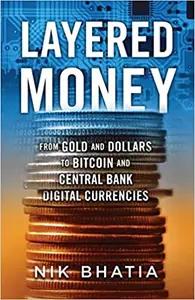
Layered Money
Nik Bhatia

Manias, Panics, and Crashes
Robert Aliber

Market Wizards
Jack Schwager
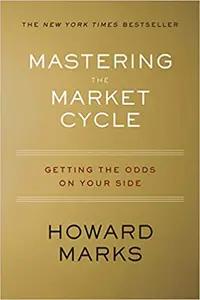
Mastering The Market Cycle
Howard Marks
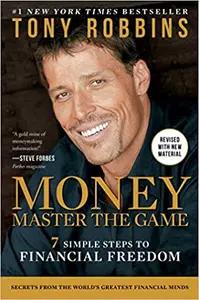
Money
Tony Robbins
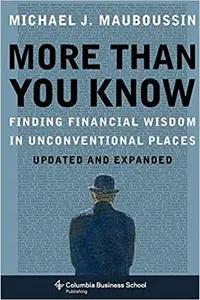
More Than You Know
Michael Mauboussin
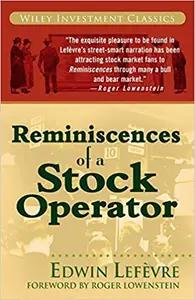
Reminiscences of a Stock Operator
Edwin Lefevre
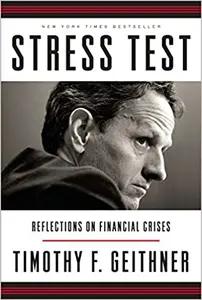
Stress Test
Timothy Geithner
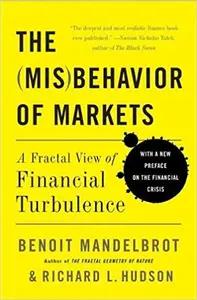
The (Mis)Behavior of Markets
Benoit Mandelbrot
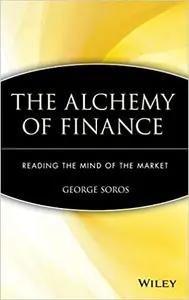
The Alchemy of Finance
George Soros
The Essays of Warren Buffett
Lawrence Cunningham & Warren Buffett
The Most Important Thing Illuminated
Howard Marks
The Tao of Charlie Munger
David Clark
The Warren Buffett Way
Robert Hagstrom
Popular Books Recommended by Great Minds 📚
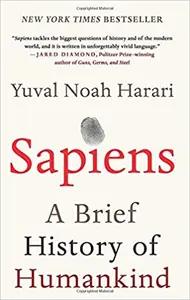
Sapiens
Yuval Noah Harari
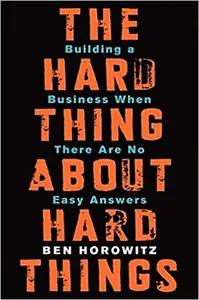
The Hard Thing About Hard Things
Ben Horowitz
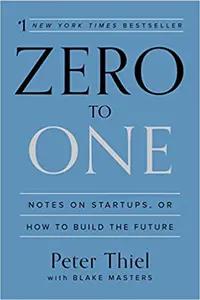
Zero to One
Peter Thiel
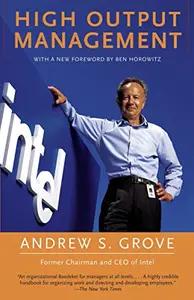
High Output Management
Andrew Grove
Principles
Ray Dalio

Shoe Dog
Phil Knight
Snow Crash
Neal Stephenson

Meditations
Marcus Aurelius
Originals
Adam Grant
Poor Charlie's Almanack
Charlie Munger

The Innovators Dilemma
Clayton Christensen
The Lean Startup
Eric Reis
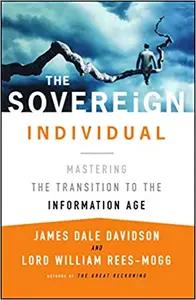
The Sovereign Individual
James Dale Davidson & William Rees-Mogg
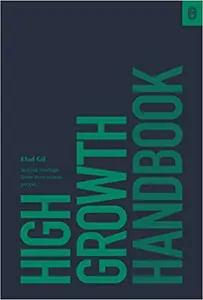
High Growth Handbook
Elad Gil
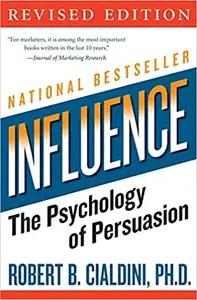
Influence
Robert Cialdini
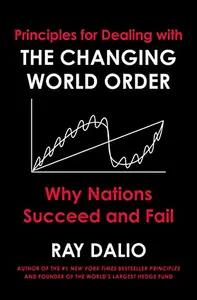
Principles for Dealing With The Changing World Order
Ray Dalio

Rework
Jason Fried
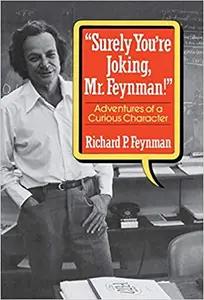
Surely You're Joking Mr. Feynman
Richard Feynman
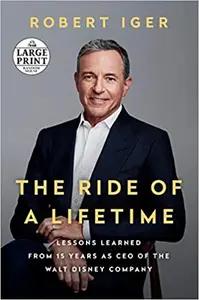
The Ride of a Lifetime
Bob Iger
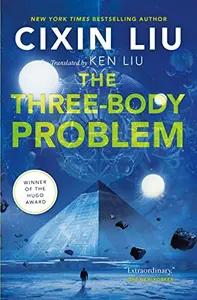
The Three Body Problem
Cixin Liu
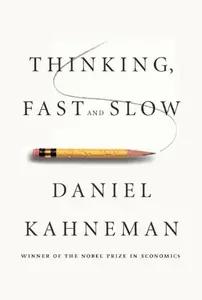
Thinking, Fast and Slow
Daniel Kahneman
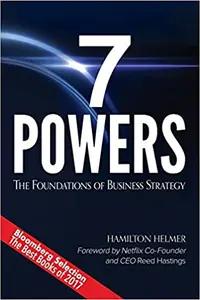
7 Powers
Hamilton Helmer
Antifragile
Nassim Nicholas Taleb
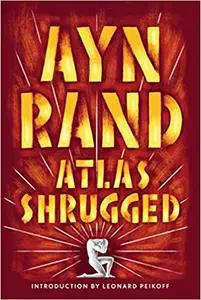
Atlas Shrugged
Ayn Rand
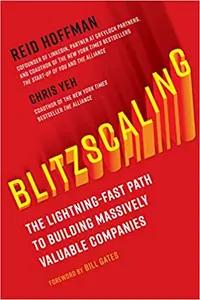
Blitzscaling
Reid Hoffman
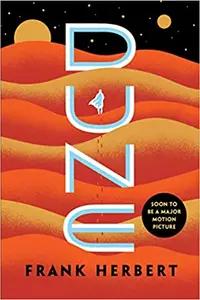
Dune
Frank Herbert

Foundation
Isaac Asimov
Good To Great
Jim Collins
Hopping Over The Rabbit Hole
Anthony Scaramucci
Man's Search for Meaning
Viktor Frankl