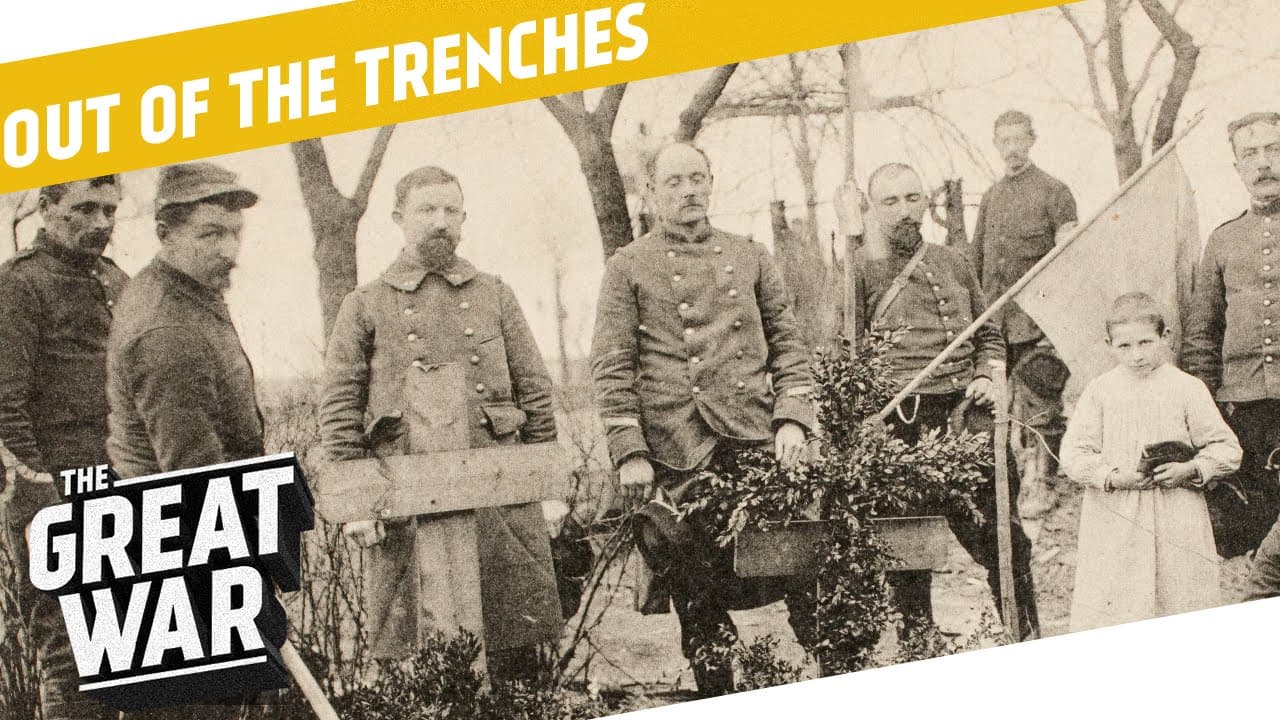
How Was A Burial Truce organised? I OUT OF THE TRENCHES
TL;DR
Indy Neidell answers questions about WWI burial truces and Hindenburg.
Transcript
Hi, I'm Indie Naidell and this is another Great War special episode of Out of the Trenches. Now, usually in Out of the Trenches, I sit in Berlin in the chair of wisdom and I answer all of your questions about the First World War. Obviously, I am not in the chair of wisdom because we're not in Berlin. We're in my apartment in Stockholm, Sweden, and ... Read More
Key Insights
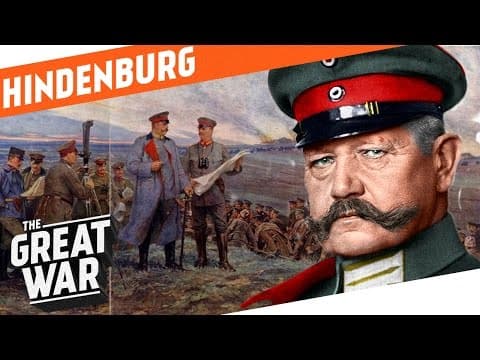
- Paul von Hindenburg, initially retired, became a pivotal figure during WWI, eventually becoming the second president of the Weimar Republic.
- Hindenburg's refusal to initially appoint Hitler as chancellor was due to his disdain for him, although he eventually did so due to political instability.
- The concept of 'stabbed in the back' was popularized by Hindenburg, claiming the German army was not defeated militarily.
- Early WWI combat favored bayonets and sabers, but practical tools like sharpened spades became preferred for close combat due to their versatility.
- Burial truces were often initiated by individual army units for morale, typically occurring after major battles to manage the deceased.
- Effective communication for burial truces involved sending a flag of truce, relying heavily on mutual respect to avoid hostility.
- Public demand for proper burials and commemoration was strong across all countries involved in the war.
- The Great War channel is funded through Patreon, with ongoing efforts to incorporate more graphics and maps in their videos.
Install to Summarize YouTube Videos and Get Transcripts
Explore YouTube Video Summarizer or Get YouTube Transcript Extractor
Questions & Answers
Q: Who was Paul von Hindenburg and what was his role after WWI?
Paul von Hindenburg was a significant military figure during WWI, becoming a field marshal and later the chief of staff of the German army. After the war, he became the second president of the Weimar Republic in 1925. Despite his initial retirement, he returned to politics due to his popularity and the belief that he could stabilize the republic against the rising threat of Hitler. His presidency ended with his death in 1934, after which Hitler consolidated power.
Q: What was the 'stabbed in the back' concept popularized by Hindenburg?
The 'stabbed in the back' concept was a narrative promoted by Hindenburg, suggesting that the German army was not defeated on the battlefield but was betrayed by internal forces. This idea gained traction after WWI, feeding into nationalist sentiments and being exploited by Hitler and the Nazi party. It became a powerful propaganda tool, fostering resentment and justifying future militaristic ambitions.
Q: How did weapon preferences change during WWI?
At the onset of WWI, traditional weapons like bayonets and sabers were commonly used. However, as the war progressed, soldiers began favoring more practical tools like sharpened spades for close combat. These tools were advantageous because they were less likely to become stuck in bodies and could also be used for digging trenches, making them versatile and practical in the trench warfare environment of the Western Front.
Q: How were burial truces typically initiated during WWI?
Burial truces were usually initiated by individual army units at the local command level. These truces were motivated by the need to boost morale by ensuring proper burials for fallen soldiers. They often occurred after major battles when the number of deceased was overwhelming. Communication for these truces involved sending a messenger with a flag of truce, relying on mutual respect between opposing sides to prevent hostilities.
Q: What role did public opinion play in the burial of soldiers during WWI?
Public opinion played a significant role in the burial and commemoration of soldiers during WWI. There was a strong demand across all countries involved in the war for proper burials and memorials for the fallen. This pressure from the public influenced military practices and led to the establishment of burial truces, especially after major battles, to ensure that deceased soldiers were honored and remembered appropriately.
Q: What are some recommended books about the war in Turkey during WWI?
One recommended book about the war in Turkey during WWI is 'The Fall of the Ottomans' by Eugene Rogan. This book provides a comprehensive account of the Ottoman Empire's role in the war and its eventual collapse. It offers insights into the geopolitical dynamics of the region and the impact of the war on the Ottoman territories. The book is praised for its detailed research and engaging narrative.
Q: What challenges does 'The Great War' channel face in adding more graphics to their videos?
'The Great War' channel faces financial challenges in adding more graphics and maps to their videos. Creating high-quality visuals requires resources, including skilled personnel and time, which are dependent on the channel's budget. To address this, the channel has a crowdfunding campaign through Patreon, where viewers can support them financially. The more funds they receive, the more they can invest in enhancing the visual content of their videos.
Q: How can viewers support 'The Great War' channel?
Viewers can support 'The Great War' channel by sharing their videos with friends and spreading the word about their work. Additionally, financial support is possible through their Patreon page, where viewers can contribute a few dollars a month. This support helps the channel continue producing content and potentially expand their offerings, such as incorporating more graphics or exploring new historical topics. The channel also encourages engagement through social media and feedback.
Summary & Key Takeaways
-
Indy Neidell, sitting in the 'Chair of Madness', answers questions about World War I, focusing on burial truces and the role of Paul von Hindenburg. Hindenburg became a significant figure, eventually becoming president of the Weimar Republic, and his actions had long-lasting effects on German politics.
-
The discussion highlights the transition in weaponry preferences during WWI, from traditional bayonets and sabers to practical tools like sharpened spades. These tools were favored for their utility in trench warfare and the ability to avoid getting stuck during close combat.
-
Burial truces were primarily initiated at local command levels, allowing for the retrieval and temporary burial of soldiers. These truces were crucial for morale and were usually observed after significant battles. Communication was facilitated through flags of truce, with mutual respect being essential to avoid conflict.
Read in Other Languages (beta)
Share This Summary 📚
Summarize YouTube Videos and Get Video Transcripts with 1-Click
Try YouTube Summary with ChatGPT & Claude or YouTube Transcript Generator
Explore More Summaries from The Great War 📚
Summarize YouTube Videos and Get Video Transcripts with 1-Click
Try YouTube Summary with ChatGPT & Claude or YouTube Transcript Generator