Baltic Sea Battles - Tanks On Other Fronts I OUT OF THE TRENCHES
TL;DR
Exploration of WWI naval battles and tank usage beyond the Western Front.
Transcript
I'm Indie nidel and this is out of the trenches where I sit here in my chair of wisdom and answer all your questions about the first World War uh Robin Allen from Facebook writes why were Zeppelins even used if bombers were available could they carry more bombs zeppelins flew at much higher altitudes than any planes could yet reach during the early... Read More
Key Insights
- Zeppelins were initially used in WWI due to their high altitude and capacity to carry more bombs than early bombers, but they became obsolete with advancements in incendiary bullets and high-flying planes.
- Primary sources for WWI research are challenging to access, especially for non-Western fronts, leading to a reliance on secondary sources despite the preference for primary ones.
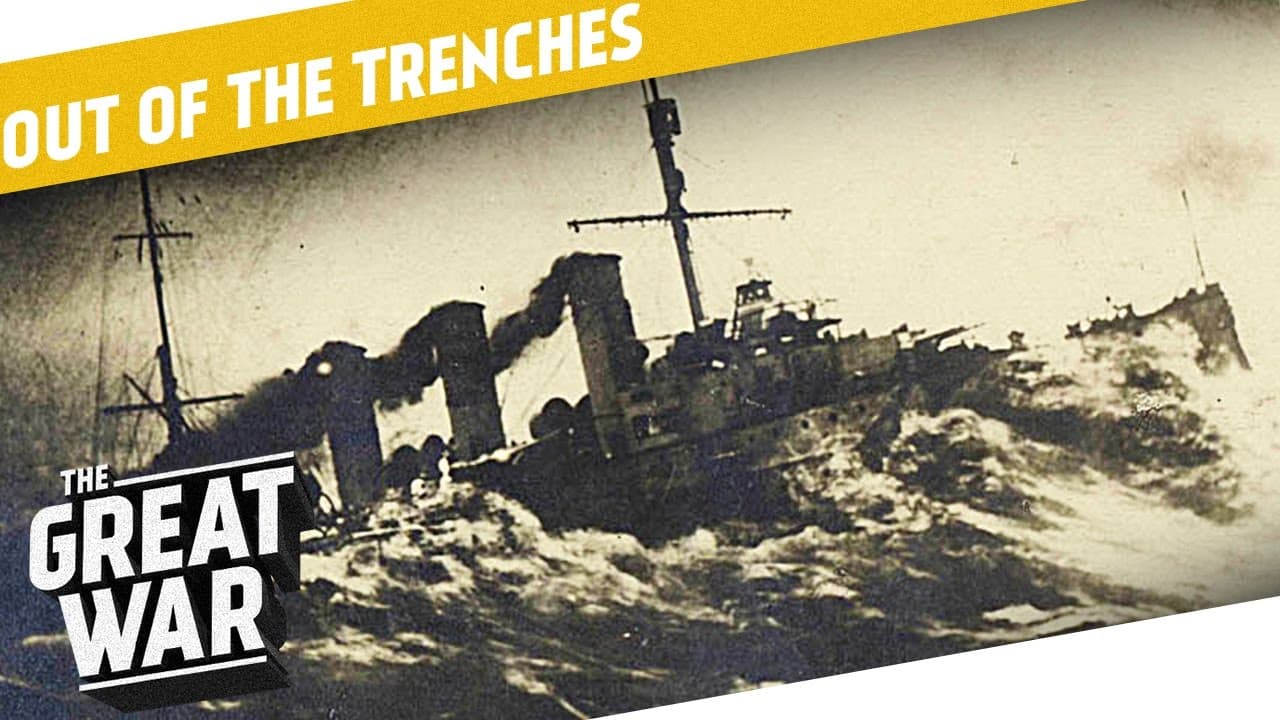
- The Battle of Åland in July 1915 involved Russian and German naval skirmishes, with significant engagements and strategic maneuvers in the Baltic Sea.
- British heavy tanks were used post-WWI in Russia during the Civil War and were captured and utilized by the Red Army, highlighting the global spread of tank technology.
- The Russian Tsar Tank was a unique design with large front wheels, but its impracticality led to its abandonment before seeing combat.
- In the Middle East, British Mark I tanks were deployed in battles such as the First and Second Battles of Gaza, demonstrating tank warfare beyond the Western Front.
- The Great War channel provides historical insights through a mix of primary and secondary sources, aiming to educate and engage audiences with detailed WWI content.
- The Great War project involves a dedicated team producing content based on WWI events, featuring detailed research, historical perspectives, and engaging multimedia presentations.
Install to Summarize YouTube Videos and Get Transcripts
Explore YouTube Video Summarizer or Get YouTube Transcript Extractor
Questions & Answers
Q: Why were Zeppelins used in WWI despite the availability of bombers?
Zeppelins were used in WWI because they could fly at higher altitudes than early bombers, making them difficult to reach and shoot down. They could also carry significantly more bombs, increasing their strategic value. However, advancements in incendiary bullets and aircraft eventually made Zeppelins obsolete.
Q: How does the Great War channel approach historical research?
The Great War channel primarily uses secondary sources due to the difficulty of accessing primary sources, especially for non-Western fronts. While primary sources are preferred, time constraints and language barriers limit their use, leading to reliance on reputable secondary sources for comprehensive historical narratives.
Q: What was the outcome of the Battle of Åland?
The Battle of Åland was a naval skirmish in July 1915 between Russian and German forces. The Russian fleet managed to set the German ship Albatross ablaze, forcing it to run aground. Although the Russians later retreated due to ammunition shortages, the battle demonstrated the strategic importance of naval engagements in the Baltic Sea.
Q: What challenges did the Russian Tsar Tank face?
The Russian Tsar Tank, designed with large front wheels, faced significant challenges due to its impractical design. The large wheels obstructed the machine guns' line of fire, and the smaller rear wheel, which bore most of the weight, often bogged down, leading to its abandonment before it could be used in combat.
Q: In which battles were British Mark I tanks used in the Middle East?
British Mark I tanks saw action in the Middle East during the First and Second Battles of Gaza. In these battles, the tanks were deployed against Ottoman forces, with some being destroyed and later replaced. Their use in the Middle East highlighted the global reach of tank warfare beyond the Western Front.
Q: How does the Great War channel engage its audience?
The Great War channel engages its audience by providing detailed historical insights into WWI events, combining primary and secondary sources. The channel offers multimedia presentations, including videos and social media content, to educate and involve viewers in historical discussions, enhancing their understanding of WWI.
Q: What role did British tanks play in the Russian Civil War?
After WWI, British heavy tanks were provided to the White Russian army during the Russian Civil War. These tanks were often captured and used by the Red Army, illustrating the spread and adaptation of tank technology in post-war conflicts and the ongoing influence of WWI military innovations.
Q: Who is responsible for the content creation on the Great War channel?
The Great War channel's content is created by a dedicated team led by Indy Neidell. The team includes researchers, writers, directors, and social media managers who work together to produce engaging and informative content about WWI, ensuring accuracy and depth in their historical narratives.
Summary & Key Takeaways
-
Indy Neidell addresses questions about WWI, focusing on the use of Zeppelins and tanks across different fronts. He explains the strategic advantages and eventual obsolescence of Zeppelins, and details the deployment of tanks in Russia and the Middle East.
-
The episode highlights the Battle of Åland, a significant naval engagement in the Baltic Sea between Russian and German forces. It underscores the challenges of accessing primary sources for non-Western fronts, affecting historical research and content production.
-
The Great War channel, hosted by Indy Neidell, offers an in-depth look at WWI events, using a combination of primary and secondary sources. The project involves a team dedicated to presenting historical narratives through multimedia, engaging audiences worldwide.
Read in Other Languages (beta)
Share This Summary 📚
Summarize YouTube Videos and Get Video Transcripts with 1-Click
Try YouTube Summary with ChatGPT & Claude or YouTube Transcript Generator
Explore More Summaries from The Great War 📚
Summarize YouTube Videos and Get Video Transcripts with 1-Click
Try YouTube Summary with ChatGPT & Claude or YouTube Transcript Generator