The SpaceX Competitor is Printing Its Rockets
TL;DR
Relativity Space uses 3D printing to revolutionize rocket manufacturing.
Transcript
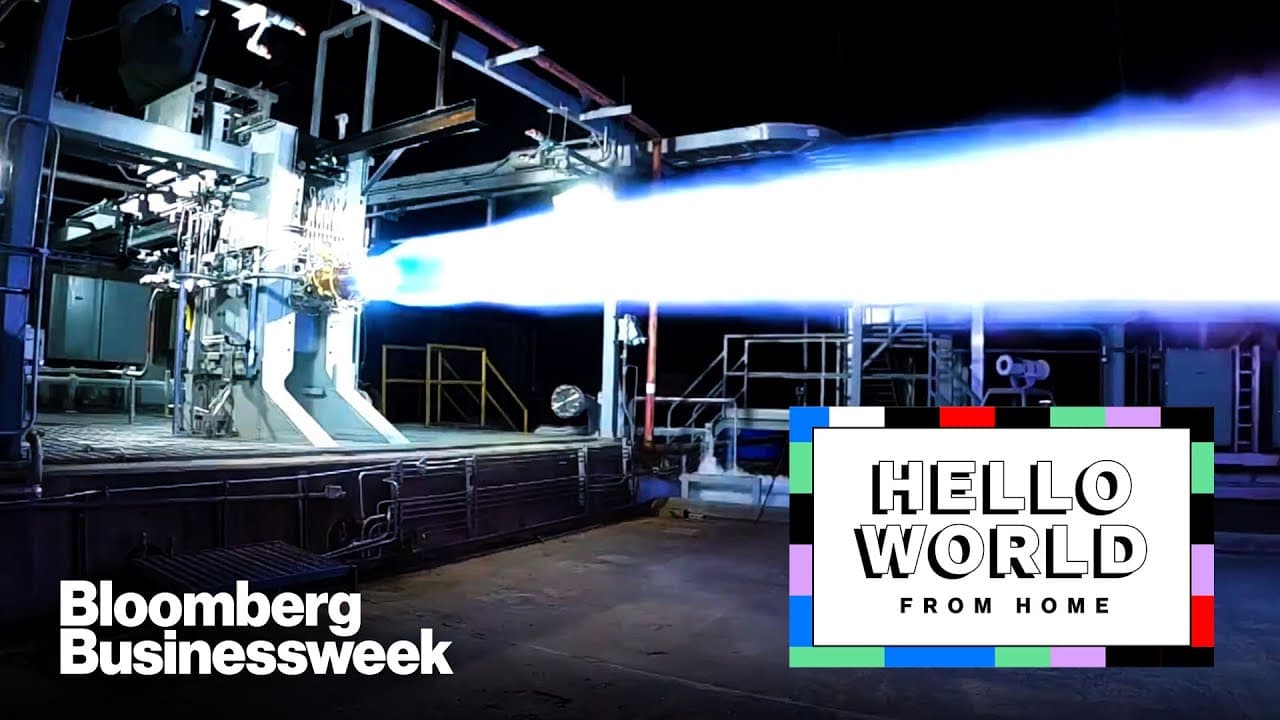
Okay, so one of the most interesting kind of weirdest work from home stories has to be this company called, Relativity Space. They are a rocket startup in Southern California, just outside of downtown Los Angeles. They are actually trying to 3D print an entire rocket using these giant machines that are sort of Westworld-like. In the midst of this p... Read More
Key Insights
- Relativity Space, a startup in Southern California, is pioneering the use of 3D printing to manufacture rockets, aiming to revolutionize the aerospace industry with this innovative approach.
- The company is targeting to 3D print 95% of their rockets, significantly more than traditional aerospace companies, which rarely exceed single-digit percentages of 3D printed components.
- Relativity's advanced technology allows them to produce a finished rocket in just 60 days, compared to the traditional two-year manufacturing timeline.
- Their 3D printing process involves using large industrial robots and custom software to precisely control the printing of metal components, making the process highly efficient and autonomous.
- Despite skepticism about the stability of 3D printed rockets, Relativity has successfully tested full-scale components and conducted over 300 engine tests to validate their technology.
- The company's cloud-based architecture enabled them to continue operations remotely during the COVID-19 pandemic, highlighting the robustness and adaptability of their manufacturing process.
- Relativity Space envisions contributing to Mars colonization by 3D printing essential infrastructure components like water storage tanks and habitat vessels directly on the Martian surface.
- CEO Tim Ellis, inspired by SpaceX's Mars ambitions, believes that Relativity's technology could accelerate the timeline for establishing a human presence on Mars, potentially achieving significant milestones within a decade.
Install to Summarize YouTube Videos and Get Transcripts
Explore YouTube Video Summarizer or Get YouTube Transcript Extractor
Questions & Answers
Q: What makes Relativity Space's approach to rocket manufacturing unique?
Relativity Space's approach is unique because they aim to 3D print 95% of their rockets, a significant increase from the traditional single-digit percentages. Their use of large industrial robots and custom software allows for precise, automated production, drastically reducing the manufacturing timeline from two years to just 60 days.
Q: How has Relativity Space adapted to the COVID-19 pandemic?
During the COVID-19 pandemic, Relativity Space leveraged their cloud-based architecture to continue operations remotely. This setup allowed them to manage their 3D printing processes with minimal on-site staff, prioritizing employee health and safety while maintaining their production schedule without significant supply chain disruptions.
Q: What are the long-term goals of Relativity Space regarding Mars colonization?
Relativity Space aims to contribute to Mars colonization by using their 3D printing technology to produce essential infrastructure components on Mars. This includes water storage tanks, habitat vessels, and spare parts, which are crucial for supporting early settlements. CEO Tim Ellis believes this could happen within a decade, possibly preceding human space flights.
Q: What challenges does Relativity Space face with their 3D printing technology?
One challenge Relativity Space faces is skepticism about the stability and reliability of 3D printed rockets. However, they have conducted extensive testing, including producing full-scale components and over 300 engine tests, to demonstrate the viability and safety of their technology in handling the pressures and stresses of flight.
Q: How does Relativity Space's manufacturing process compare to traditional methods?
Relativity Space's manufacturing process is significantly faster and more automated than traditional methods. By 3D printing 95% of their rockets, they can complete production in just 60 days, compared to the traditional two-year timeline. This efficiency is achieved through advanced robotics and custom software, reducing reliance on manual labor.
Q: What inspired the founding of Relativity Space?
Relativity Space was founded by Tim Ellis and his co-founder, who saw a need for innovation in rocket manufacturing. Inspired by the potential for Mars colonization and the limitations of traditional methods, they believed that 3D printing could be the next major disruption in the aerospace industry, leading to the company's unique approach.
Q: How does Relativity Space ensure the quality and safety of their 3D printed rockets?
To ensure quality and safety, Relativity Space conducts rigorous testing of their 3D printed components. They have successfully produced full-scale structures and performed over 300 engine tests to validate their technology, proving that their rockets can withstand the pressures and stresses of space flight, thus addressing concerns about stability.
Q: What role does automation play in Relativity Space's manufacturing process?
Automation is central to Relativity Space's manufacturing process. They utilize large industrial robots and custom software to precisely control the 3D printing of rocket components. This high degree of automation allows for efficient, autonomous production, enabling the company to operate with minimal human intervention and significantly reducing production time.
Summary & Key Takeaways
-
Relativity Space, a Southern California startup, is transforming rocket manufacturing through the use of 3D printing technology. By automating the process, they aim to produce rockets in just 60 days, significantly faster than traditional methods.
-
The company has developed advanced 3D printing techniques using industrial robots and custom software, allowing them to print 95% of a rocket's components. This innovation has enabled them to operate remotely during the pandemic.
-
Relativity Space's long-term vision includes contributing to Mars colonization by 3D printing infrastructure directly on the Martian surface. CEO Tim Ellis is confident that their technology could achieve significant milestones within a decade.
Read in Other Languages (beta)
Share This Summary 📚
Summarize YouTube Videos and Get Video Transcripts with 1-Click
Try YouTube Summary with ChatGPT & Claude or YouTube Transcript Generator
Explore More Summaries from Bloomberg Originals 📚






Summarize YouTube Videos and Get Video Transcripts with 1-Click
Try YouTube Summary with ChatGPT & Claude or YouTube Transcript Generator