Most of a Bear
TL;DR
Exploring nature to find and clean a bear skeleton, revealing insights into animal anatomy and aging indicators.
Transcript
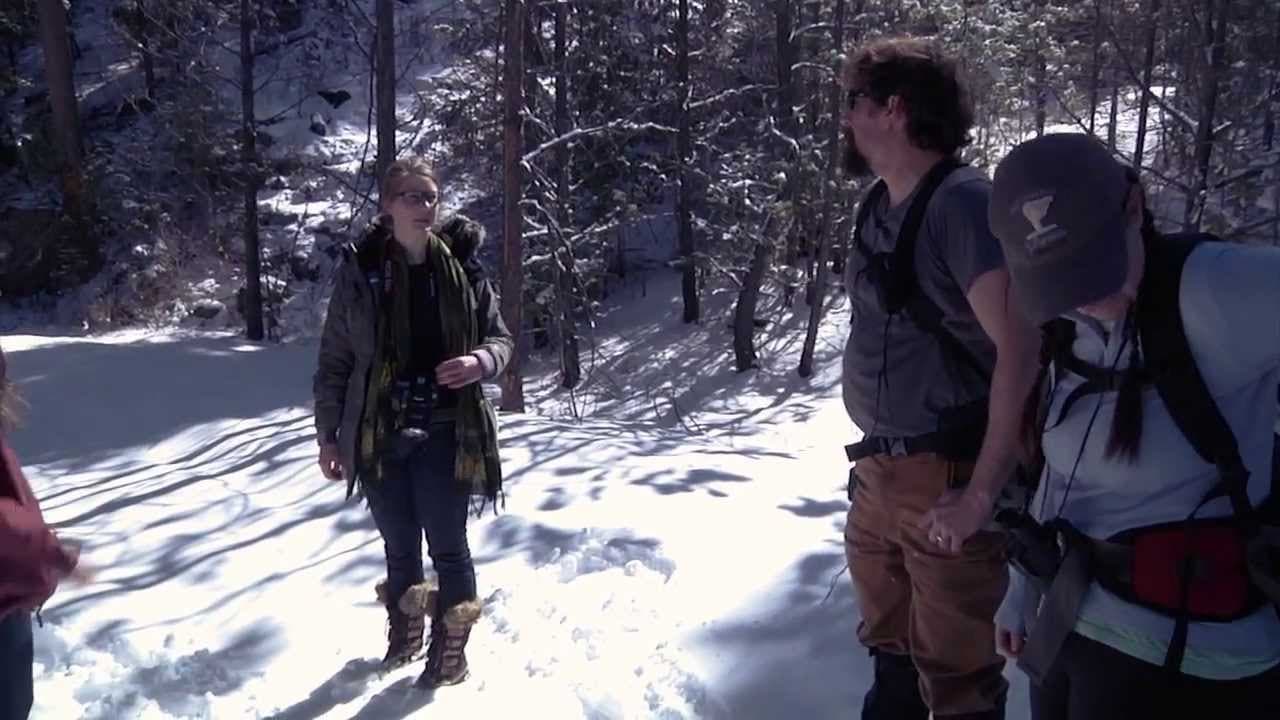
We're gonna go find a bear skeleton in the woods. We're here with Adam, the groundskeeper, who brought in the bear skull one of the first weeks we had the show and it's finally nice enough today to go into the woods and find the rest of it, so we're taking a hike. I don't know where we're going. I just have the GPS.
- He's got the GPS. Basically, w... Read More
Key Insights
- 🦻 GPS technology aids in locating specific wildlife remains in the wilderness.
- 🤕 Observing aging indicators on animal bones can reveal valuable information about their health and lifespan.
- ☠️ Cleaning bones using hydrogen peroxide is an essential step in preserving and studying wildlife specimens.
- ☠️ The process of examining and categorizing bear bones contributes to scientific understanding of animal anatomy.
- 🤕 Age-related bone changes like arthritis and cartilage calcification can be seen in wildlife skeletons.
- ☠️ Investigating bone anomalies can provide clues to an animal's history and lifestyle.
- ☠️ Proper bone cleaning techniques ensure accurate preservation and research potential of wildlife specimens.
Install to Summarize YouTube Videos and Get Transcripts
Explore YouTube Video Summarizer or Get YouTube Transcript Extractor
Questions & Answers
Q: How did the team locate the bear skeleton in the woods?
The groundskeeper provided GPS coordinates based on his previous discovery of a black bear skeleton during a hike.
Q: What were some aging indicators observed on the bear bones?
Signs of arthritis, cartilage calcification, and bone growth abnormalities were noted, providing insights into the bear's life and health.
Q: Why did the team choose to use hydrogen peroxide to clean the bear bones?
Hydrogen peroxide effectively cleans and whitens bones while helping reduce odor, making them suitable for study and preservation in the collection.
Q: What significance do the various bear bones hold in understanding the anatomy of the animal?
Different bones like hyoid, scapula, humerus, and femur provide valuable information on the bear's structure, movement, and overall anatomy.
Summary & Key Takeaways
-
The team embarks on a hike to find a bear skeleton in the woods based on GPS coordinates provided by the groundskeeper.
-
They locate the bear skeleton quickly, marveling at the discovery and examining various bones and aging indicators.
-
The process of cleaning the bear bones using hydrogen peroxide is detailed, showcasing the dedication to preserving and studying wildlife.
Read in Other Languages (beta)
Share This Summary 📚
Summarize YouTube Videos and Get Video Transcripts with 1-Click
Try YouTube Summary with ChatGPT & Claude or YouTube Transcript Generator
Explore More Summaries from thebrainscoop 📚

Summarize YouTube Videos and Get Video Transcripts with 1-Click
Try YouTube Summary with ChatGPT & Claude or YouTube Transcript Generator