How to Protect the Rainforest
TL;DR
Scientists conduct rapid inventories in remote parts of the Amazon and Andes, uncovering rare species and working towards connecting protected areas.
Transcript
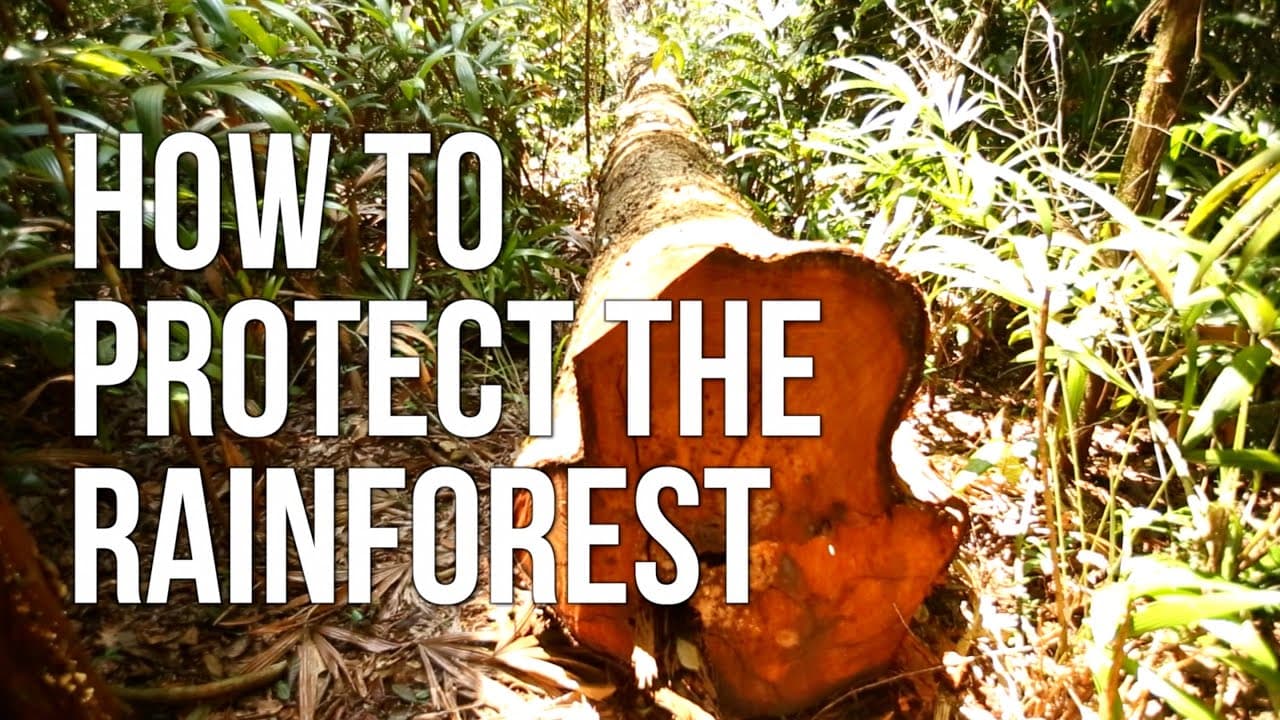
[The Brain Scoop theme song] Corine: So, Emily, this is one of the trees that was cut down here. This is about 2 meters in diameter. It's just a huge tree that, who knows, may be 2000 years old. Emily: Wow. Corine: Yeah. And cut down for timber. And this is one of the sort of higher end timber species here in Peru. Some of them they actually take i... Read More
Key Insights
- 🥳 Remote parts of the Amazon and Andes harbor a vast array of rare and undiscovered species.
- 🧑🔬 Collaboration among scientists with different areas of expertise is essential in understanding the interconnectedness of species.
- 🛟 Connecting protected areas through corridors is crucial for preserving biodiversity on a larger scale.
- 😀 The program faces challenges in finding a balance between resource extraction and conservation efforts.
- 🛀 Conservation efforts in Peru have shown promise in preserving its unique ecosystems.
- 🖐️ Rapid inventories play a crucial role in identifying and documenting rare and endangered species.
- 🖐️ Indigenous peoples and the timber industry both play a role in deforestation in the region.
Install to Summarize YouTube Videos and Get Transcripts
Explore YouTube Video Summarizer or Get YouTube Transcript Extractor
Questions & Answers
Q: What is the purpose of the rapid inventories conducted in remote parts of the Amazon and Andes?
The rapid inventories aim to discover and document the biodiversity present in these areas, especially rare and endangered species. This data is crucial for conservation efforts and informing policies.
Q: How do scientists piece together the ecosystem and identify interconnected species?
Collaboration among team members is vital. For example, when a specific tree is observed, the mammalogist can identify the presence of a certain monkey species that relies on that tree, while the bird experts can identify the bird species that pollinates it.
Q: What is the future goal of the program?
The program aims to connect protected areas in Peru by creating corridors. This would enable uninterrupted movement of species and help preserve biodiversity on a larger scale.
Q: What challenges does the program face in achieving its conservation goals?
The major challenge lies in balancing the need for natural resources and technological advancement with the urgent need for conservation. The tension between these two forces poses a challenge to the program's mission.
Summary & Key Takeaways
-
Scientists conduct rapid inventories in remote parts of the Amazon and Andes, discovering rare animals and plants.
-
Team collaboration is crucial in piecing together the diverse ecosystem and identifying interconnected species.
-
The program aims to connect protected areas and create corridors to preserve biodiversity and combat the threats posed by resource extraction.
Read in Other Languages (beta)
Share This Summary 📚
Summarize YouTube Videos and Get Video Transcripts with 1-Click
Try YouTube Summary with ChatGPT & Claude or YouTube Transcript Generator
Explore More Summaries from thebrainscoop 📚




Summarize YouTube Videos and Get Video Transcripts with 1-Click
Try YouTube Summary with ChatGPT & Claude or YouTube Transcript Generator