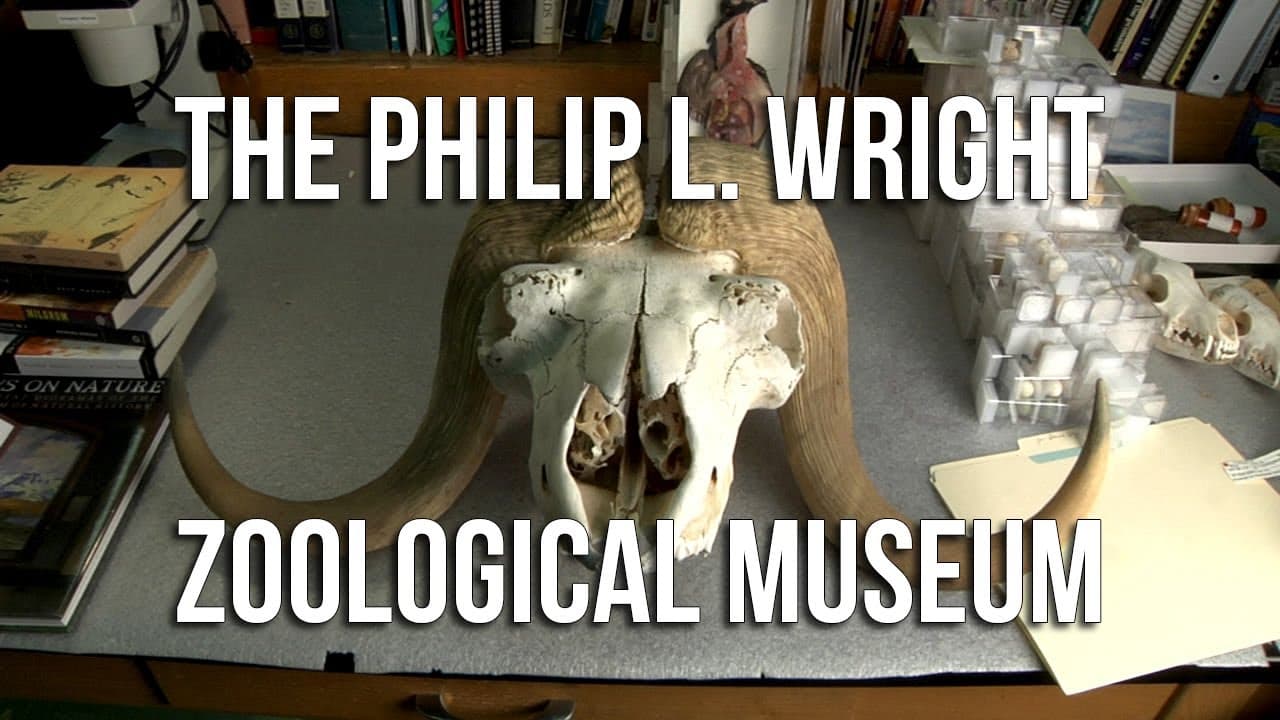
The Philip L. Wright Zoological Museum
TL;DR
A volunteer curatorial assistant explores the vast collection of animal specimens in the University of Montana Zoological Museum.
Transcript
I love cats. Everybody asks me if I have a cat and I say no but I do have a fluffy orange boyfriend named Mr. Howell. My name is Emily Graslie and I am the volunteer curatorial assistant here at the University of Montana Zoological Museum In this room alone we have about 21,000 specimens. Mammals are in the middle, the birds are around the perimete... Read More
Key Insights
- 🛟 The University of Montana Zoological Museum's collection contains an extensive array of animal specimens, serving various scientific disciplines and studies.
- 🥼 Collaborations with forensic anthropologists and crime labs highlight the practical applications of the museum's collection.
- 🥶 Cold rooms help preserve pelts by preventing bug infestations.
- 🐦 The bird room showcases a visually striking selection of live-mounted, taxidermied birds.
- 🖐️ The preparation lab plays a crucial role in preparing and storing specimens for the museum's collection.
- 😅 Flesh-eating beetles in the museum's colony aid in the cleaning and preparation of skeletal remains.
- 👨🔬 The museum's collection provides valuable resources for research and education in zoology and other related fields.
Install to Summarize YouTube Videos and Get Transcripts
Explore YouTube Video Summarizer or Get YouTube Transcript Extractor
Questions & Answers
Q: What is the main purpose of the University of Montana Zoological Museum's collection?
The collection serves as a resource for comparative studies, aiding forensic anthropologists and archeologists in identifying bones and faunal remains from different sites across the state.
Q: Why does the museum store pelts in a cold room?
Storing pelts in a cold room helps prevent bug infestations, as refrigeration decreases the likelihood of dermestid beetles and carpet beetles eating the pelts.
Q: What makes the bird room Emily's favorite in the entire collection?
The bird room houses live-mounted, taxidermied birds, creating a visually stunning display. Emily also humorously mentions finding a raccoon behind a cabinet in the bird room.
Q: How does the preparation lab contribute to the museum's work?
The preparation lab is where dry preparations like study skins are performed, and it also contains freezers to store dead birds and mammals before cleaning or preparation.
Summary & Key Takeaways
-
The University of Montana Zoological Museum houses around 21,000 specimens, with mammals in the middle and birds around the perimeter.
-
The museum collaborates with forensic anthropologists and the Montana State Crime Lab to identify bones and faunal remains from various sites.
-
The collection includes a variety of animals, such as sheep, moose, bison, river otters, primates, and leopard seals.
Read in Other Languages (beta)
Share This Summary 📚
Summarize YouTube Videos and Get Video Transcripts with 1-Click
Try YouTube Summary with ChatGPT & Claude or YouTube Transcript Generator
Explore More Summaries from thebrainscoop 📚


Summarize YouTube Videos and Get Video Transcripts with 1-Click
Try YouTube Summary with ChatGPT & Claude or YouTube Transcript Generator