What Caused the US to Enter World War I?
TL;DR
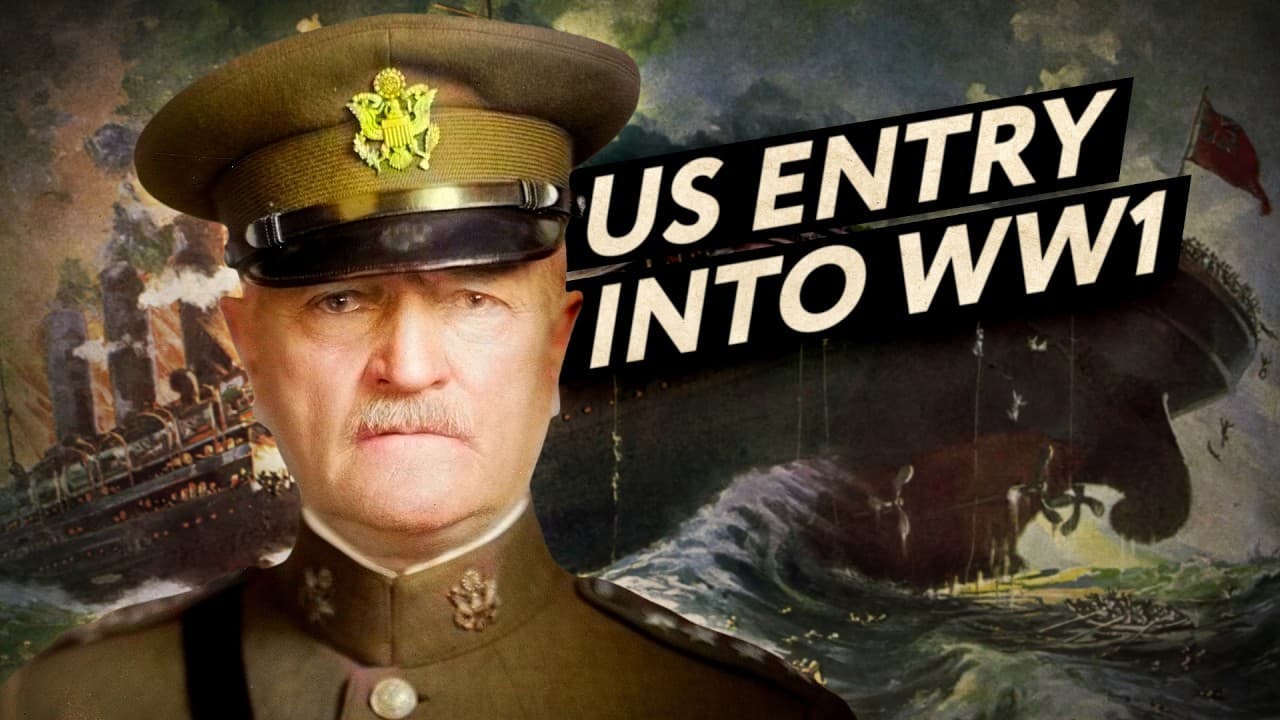
The US entered World War I due to a combination of factors including unrestricted submarine warfare by Germany and the Zimmerman Telegram, which proposed a German-Mexican alliance. Economic ties to the Allies and a shift in public opinion towards supporting intervention further influenced the decision, framed by President Wilson as a moral duty to defend democracy.
Transcript
In early 1917, the United States was still neutral in the great struggle that had been tearing Europe and the Middle East apart for more than two years . Most Americans wanted their country to remain neutral, and had elected President Woodrow Wilson just a few months before on the slogan “He kept us out of the war.” Meanwhile, German leaders we... Read More
Key Insights
- In early 1917, the US maintained a neutral stance in World War I, with most Americans supporting neutrality despite sympathies towards the Allies.
- German desperation led to risky strategies, including unrestricted submarine warfare, which threatened to involve the US in the conflict.
- The sinking of ships like the Lusitania by German U-boats, resulting in American casualties, strained US-German relations and shifted public opinion.
- The Zimmermann Telegram, proposing a German-Mexican alliance against the US, further inflamed tensions and contributed to the US entry into the war.
- President Wilson's administration faced internal pressures and debates regarding US involvement, balancing public opinion and strategic interests.
- Economic ties to the Allies, including arms sales and financial loans, played a significant role in the US leaning towards the Entente powers.
- The US government increased military preparedness with the National Defense Act of 1916, anticipating potential involvement in the conflict.
- Wilson's decision to enter the war was framed as a moral imperative to defend democracy and ensure global peace, culminating in a formal declaration of war in April 1917.
Install to Summarize YouTube Videos and Get Transcripts
Explore YouTube Video Summarizer or Get YouTube Transcript Extractor
Questions & Answers
Q: What was the public opinion in the US regarding involvement in World War I?
In early 1917, public opinion in the US largely favored neutrality in World War I, despite a general sympathy towards the Allies. Many Americans were wary of entering the conflict, influenced by cultural and economic ties to Britain and France. However, incidents like the sinking of the Lusitania and the Zimmermann Telegram gradually shifted public sentiment towards supporting intervention.
Q: How did German strategies impact US neutrality during World War I?
German strategies, particularly the decision to resume unrestricted submarine warfare, significantly impacted US neutrality. The sinking of ships with American casualties, such as the Lusitania, strained US-German relations. Additionally, the Zimmermann Telegram proposing a German-Mexican alliance further inflamed tensions, contributing to the US decision to enter the war in response to perceived threats to national security.
Q: What role did economic factors play in the US decision to enter World War I?
Economic factors played a crucial role in the US decision to enter World War I. The US had significant economic ties to the Allies, including substantial arms sales and financial loans, which aligned American economic interests with the Entente powers. This economic interdependence, coupled with the disruption of trade due to German submarine warfare, influenced the US stance towards joining the Allies.
Q: What was the significance of the Zimmermann Telegram in US-German relations?
The Zimmermann Telegram was a pivotal moment in US-German relations, as it proposed a military alliance between Germany and Mexico against the US. This revelation, intercepted and deciphered by British intelligence, caused a public outcry in the US and heightened security fears. The telegram significantly damaged US-German relations and was a key factor in the US decision to declare war on Germany.
Q: How did President Wilson justify US entry into World War I?
President Wilson justified US entry into World War I as a moral imperative to defend democracy and ensure global peace. He framed the conflict as a struggle against autocratic governments, emphasizing the need to protect the rights of mankind and maintain international stability. Wilson's address to Congress highlighted these ideals, leading to a formal declaration of war in April 1917.
Q: What measures did the US take to prepare for potential involvement in World War I?
The US took several measures to prepare for potential involvement in World War I, including the passage of the National Defense Act of 1916. This legislation expanded the US military, increasing the army's size and authorizing the construction of new naval vessels. These preparations reflected a strategic shift towards readiness for conflict, anticipating the possibility of entering the war.
Q: How did cultural and economic ties influence US sympathies towards the Allies?
Cultural and economic ties significantly influenced US sympathies towards the Allies. The US shared cultural connections with Britain and France, and economic interests were aligned due to substantial arms sales and financial loans to these nations. These factors contributed to a general pro-Allied sentiment, despite the initial public preference for neutrality in the conflict.
Q: What was the outcome of the US declaration of war against Germany in April 1917?
The US declaration of war against Germany in April 1917 marked a significant turning point in World War I. The US joined the Allies as an 'Associated Power,' not bound by previous inter-allied agreements. While it took months for American troops to make a difference at the front, the entry of the US into the war had a substantial impact on the conflict's dynamics and eventual outcome.
Summary & Key Takeaways
-
In early 1917, the US remained neutral in World War I, with public opinion favoring neutrality despite sympathies towards the Allies. German strategies, including unrestricted submarine warfare and the Zimmermann Telegram, strained relations and shifted US public opinion, ultimately leading to US involvement in the war.
-
President Wilson's administration faced internal debates on US involvement, balancing public opinion and strategic interests. Economic ties to the Allies, including arms sales, influenced the US stance. The US increased military preparedness with the National Defense Act of 1916, anticipating potential involvement in the conflict.
-
Wilson framed the US entry into the war as a moral imperative to defend democracy and ensure global peace. The declaration of war in April 1917 marked the US joining the Allies as an 'Associated Power,' significantly impacting the course of World War I.
Read in Other Languages (beta)
Share This Summary 📚
Summarize YouTube Videos and Get Video Transcripts with 1-Click
Try YouTube Summary with ChatGPT & Claude or YouTube Transcript Generator
Explore More Summaries from The Great War 📚

Summarize YouTube Videos and Get Video Transcripts with 1-Click
Try YouTube Summary with ChatGPT & Claude or YouTube Transcript Generator