Inducement Zones: Avoiding Institutional Traps in Forex Trading | Smart Money Concept & Price Action
TL;DR
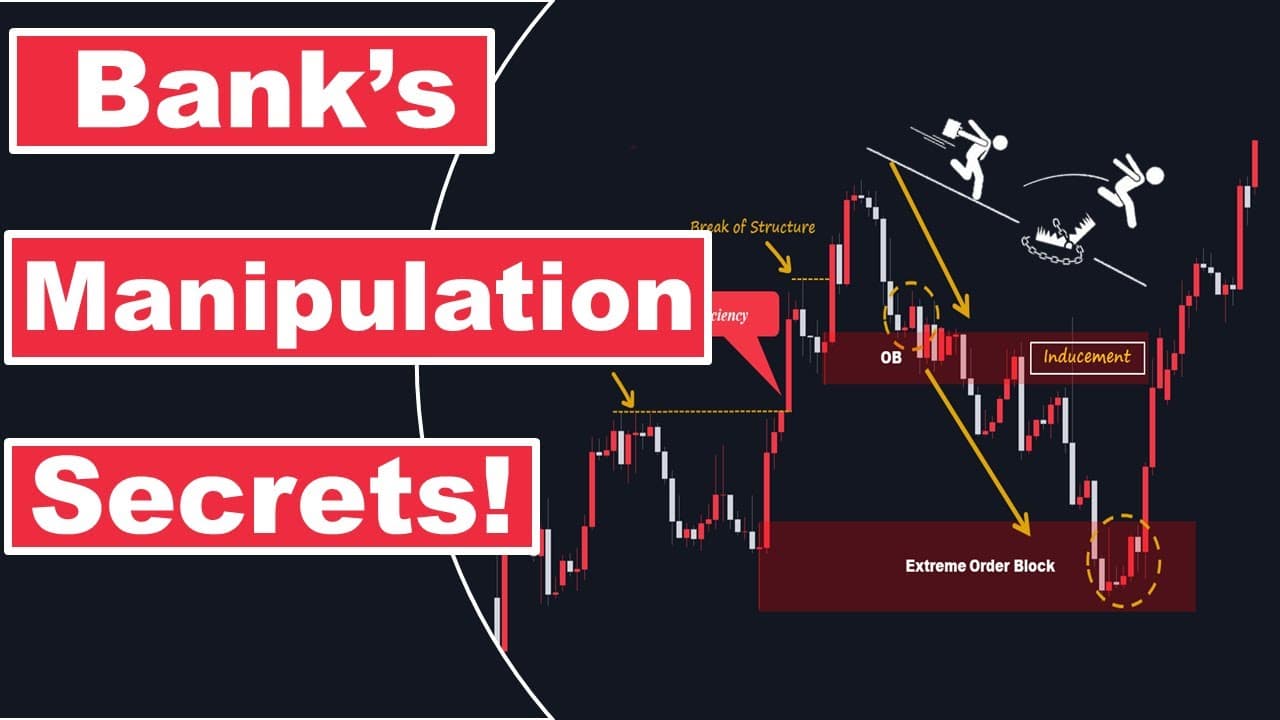
Inducement zones are liquidity-rich price areas used to lure traders into positions before the market moves against them. They commonly appear around order blocks, trendline or channel breaks, support and resistance levels, and consolidation breakouts. Watching for liquidity sweeps, false breakouts, and lower-time-frame confirmation can help traders avoid these traps. Read on to understand how the setups form and what to check before entering a trade.
Transcript
hey Traders and welcome to another episode of smart risk today we're diving deep into a crucial aspect of the financial markets that every Trader should be aware of inducement zones these deceptive areas on the price chart are strategically crafted by institutional players to lure unsuspecting Traders into traps inducement zones are a hidden weapon... Read More
Key Insights
- 🪤 Inducement zones are strategically crafted by institutional players to trap and manipulate retail traders.
- 😥 These zones can be found at specific points or areas, including order blocks, dynamic trendline breaks, support and resistance levels, and breakout of consolidation patterns.
- 🧘 News events and data releases can also be exploited to induce traders into taking positions based on the initial reaction.
- 🧑🏭 Liquidity sweeps and false breakouts are critical factors to consider when identifying and confirming the existence of an inducement zone.
- 😉 Backtesting trading strategies is crucial to understanding the win rate and effectiveness in different market conditions.
- 🧑🏭 Traders should exercise caution and patience when entering positions in inducement zones, waiting for confirmation and assessing confluence factors.
Install to Summarize YouTube Videos and Get Transcripts
Explore YouTube Video Summarizer or Get YouTube Transcript Extractor
Questions & Answers
Q: What are inducement zones in forex trading?
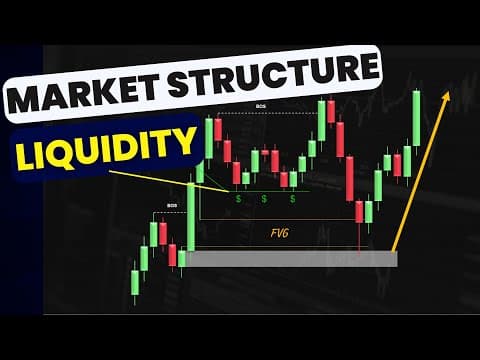
Inducement zones, also called liquidity zones, are price areas where significant liquidity encourages market participants to enter or exit trades. The transcript describes them as zones used by central banks and large financial institutions to lure retail traders into positions that can later be exploited.
Q: How do inducement zones trap retail traders?
Traders enter in a direction that appears favorable, creating a pool of buy or sell orders and associated stop losses. The market then moves sharply in the opposite direction, triggering those stops and adding liquidity to the move.
Q: Where do inducement zones commonly appear?
They commonly appear around order blocks, dynamic trendline or channel breaks, support and resistance levels, and breakouts from consolidation patterns. News events and data releases can also be used to induce positions based on an initial market reaction.
Q: How can traders identify an inducement zone?
Traders can look for liquidity sweeps and false breakouts around areas with concentrated buying or selling interest. These signals are especially relevant near order blocks, trendlines, channels, and established support or resistance levels.
Q: How can an order block become an inducement zone?
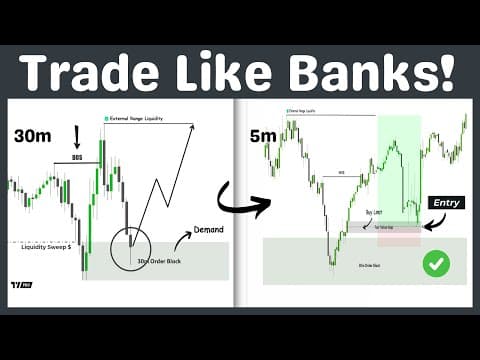
An order block can attract traders because it contains significant executed orders or clustered pending orders. In the example described, price failed to respect an upper bullish order block, swept liquidity below it, and then reversed from an extreme order block to continue the bullish trend.
Q: How do false trendline or channel breakouts create inducement?
A break can create urgency and persuade traders that a strong directional move has begun. Market manipulators may push price through the line, trigger existing stop losses and new breakout entries, and then reverse sharply so that both sellers’ and buyers’ stops are hit.
Q: How does inducement occur around support and resistance levels?
A false breakout or reversal near support or resistance can persuade traders to enter before price changes direction. The transcript’s resistance example describes a beginner seeing a breakout, buying the apparent upward move, and being exposed to a trap created around that level.
Q: How can traders reduce potential losses from inducement zones?
Traders should be patient, wait for lower-time-frame confirmation, and assess confluence factors before entering. They should also watch for liquidity sweeps and false breakouts and backtest their strategies to understand their win rate across different market conditions.
Summary & Key Takeaways
-
Inducement zones, also known as liquidity zones, are areas where market participants are lured into entering or exiting trades due to significant liquidity present.
-
These zones are strategically used by central banks and large financial institutions to manipulate and trap retail traders, resulting in significant market reversals or breakouts.
-
Inducement zones can be found in specific points or areas, such as order blocks, dynamic trendline breaks, support and resistance levels, and breakout of consolidation patterns.
Read in Other Languages (beta)
Share This Summary 📚
Summarize YouTube Videos and Get Video Transcripts with 1-Click
Try YouTube Summary with ChatGPT & Claude or YouTube Transcript Generator
Explore More Summaries from Smart Risk 📚

Summarize YouTube Videos and Get Video Transcripts with 1-Click
Try YouTube Summary with ChatGPT & Claude or YouTube Transcript Generator