What Are Real Stalker Horror Stories?
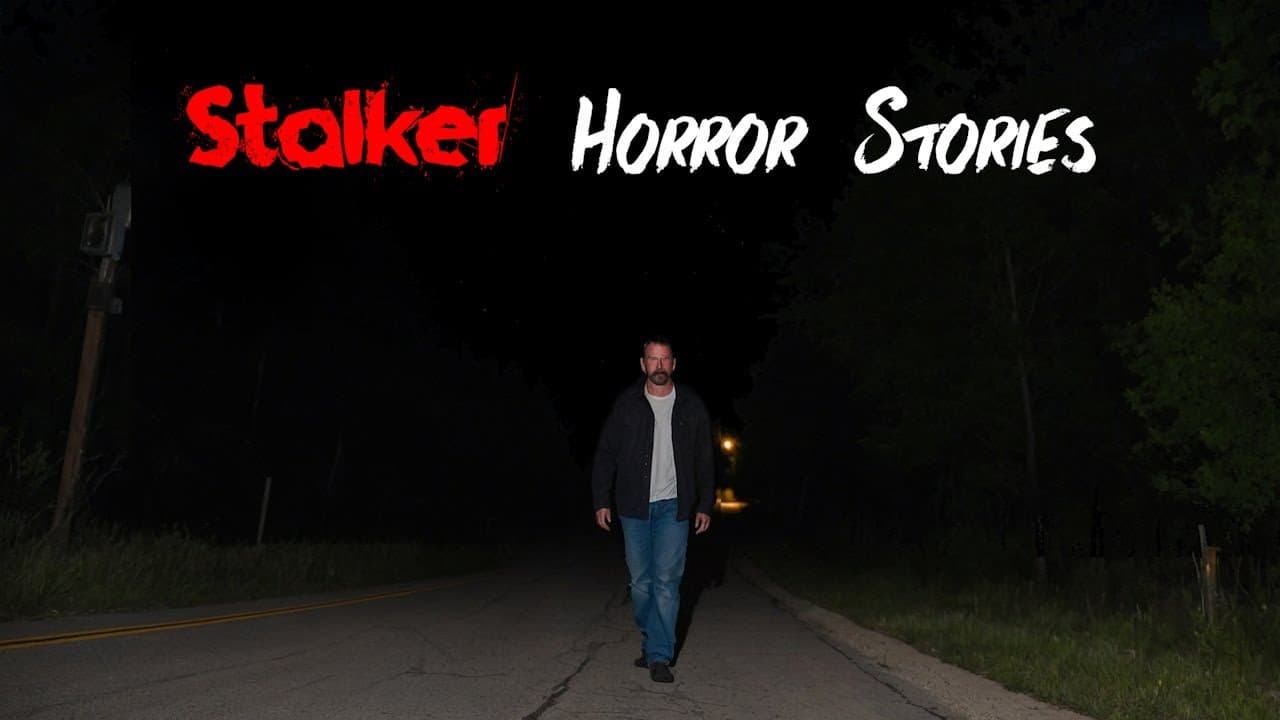
TL;DR
Three individuals share their harrowing experiences with stalkers, highlighting the psychological and physical dangers they faced. Each story illustrates the terrifying persistence of their stalkers and the impact on their mental well-being. The narratives emphasize the importance of taking stalking seriously and seeking help when needed.
Transcript
when I was 22 I started seeing a guy who I met on a dating app for a while his name was Hunter we went on like four dates in the span of a little over a month at first things seemed all right our first date was a quick coffee date less than an hour more of a screening process to make sure he seemed normal our our second date was at a nearby bar for... Read More
Key Insights
- Stalking can begin with seemingly innocent interactions, quickly escalating to alarming behavior.
- Victims often feel a mix of fear and confusion, unsure of the stalker's intentions.
- Stalkers may use technology and social media to track and harass their victims.
- Victims may experience a lack of support from authorities or institutions, exacerbating their fear.
- Restraining orders can be difficult to enforce without concrete evidence of stalking behavior.
- Stalking can lead to severe psychological trauma and long-term anxiety for the victim.
- Victims may have to take drastic measures, such as moving, to feel safe again.
- It is crucial for victims to document all interactions and report them to authorities.
Install to Summarize YouTube Videos and Get Transcripts
Explore YouTube Video Summarizer or Get YouTube Transcript Extractor
Questions & Answers
Q: How can someone recognize the early signs of a stalker?
Early signs of a stalker include excessive communication, such as constant texting or calling, showing up uninvited to your home or workplace, and monitoring your social media activity. Stalkers may also display controlling behavior, such as demanding to know your whereabouts at all times. It's important to trust your instincts if someone makes you feel uncomfortable or unsafe.
Q: What should you do if you suspect someone is stalking you?
If you suspect someone is stalking you, document all interactions, including dates, times, and descriptions of incidents. Inform friends, family, and authorities about the situation. Consider obtaining a restraining order and changing your daily routines to avoid the stalker. It's crucial to prioritize your safety and seek professional help if needed.
Q: What legal actions can be taken against a stalker?
Victims of stalking can file for a restraining order or protective order, which legally prohibits the stalker from contacting or approaching them. It's important to gather evidence, such as texts, emails, and witness statements, to support your case. Reporting the stalking to the police can lead to criminal charges if the behavior violates laws against harassment or trespassing.
Q: How does stalking impact a victim's mental health?
Stalking can lead to severe anxiety, depression, and PTSD. Victims may experience constant fear, hyper-vigilance, and difficulty trusting others. The stress of being stalked can affect daily life, including work and social relationships. It's important for victims to seek psychological support and counseling to cope with the emotional impact of stalking.
Q: What role do schools and workplaces play in handling stalking cases?
Schools and workplaces have a responsibility to provide a safe environment. They should have policies in place to address stalking, including offering support to victims, taking reports seriously, and implementing safety measures. Educating staff and students about the signs of stalking and how to report it is crucial in preventing and addressing such incidents.
Q: Can stalking behavior escalate to physical violence?
Yes, stalking behavior can escalate to physical violence. Stalkers may become more aggressive if they feel rejected or ignored, potentially leading to dangerous confrontations. It's important to take all stalking behavior seriously and involve law enforcement to prevent escalation. Victims should prioritize their safety and seek help if they feel threatened.
Q: How can technology be used to aid stalkers?
Stalkers can use technology to track and harass victims through social media, GPS tracking, and spyware. They may monitor online activity, send threatening messages, or hack into personal accounts. It's important for victims to secure their digital presence by using strong passwords, enabling privacy settings, and being cautious about sharing personal information online.
Q: What support resources are available for stalking victims?
Stalking victims can access support through hotlines, counseling services, and support groups. Organizations like the National Center for Victims of Crime and local advocacy groups offer resources and guidance. Law enforcement agencies can provide assistance in obtaining restraining orders and investigating stalking incidents. It's important for victims to reach out for help and not face the situation alone.
Summary & Key Takeaways
-
A woman recounts her experience with a man she dated briefly who began stalking her, following her home, and eventually breaking into her house, leading her to seek a restraining order.
-
A young girl is harassed by a classmate who becomes obsessed with her, leading to a series of frightening encounters and inadequate responses from school authorities.
-
A man describes his relationship with a woman who becomes increasingly controlling and eventually breaks into his home with a weapon, resulting in a terrifying confrontation.
Read in Other Languages (beta)
Share This Summary 📚
Summarize YouTube Videos and Get Video Transcripts with 1-Click
Try YouTube Summary with ChatGPT & Claude or YouTube Transcript Generator
Explore More Summaries from Mr. Nightmare 📚






Summarize YouTube Videos and Get Video Transcripts with 1-Click
Try YouTube Summary with ChatGPT & Claude or YouTube Transcript Generator