What Caused America's Racial Wealth Gap?
TL;DR
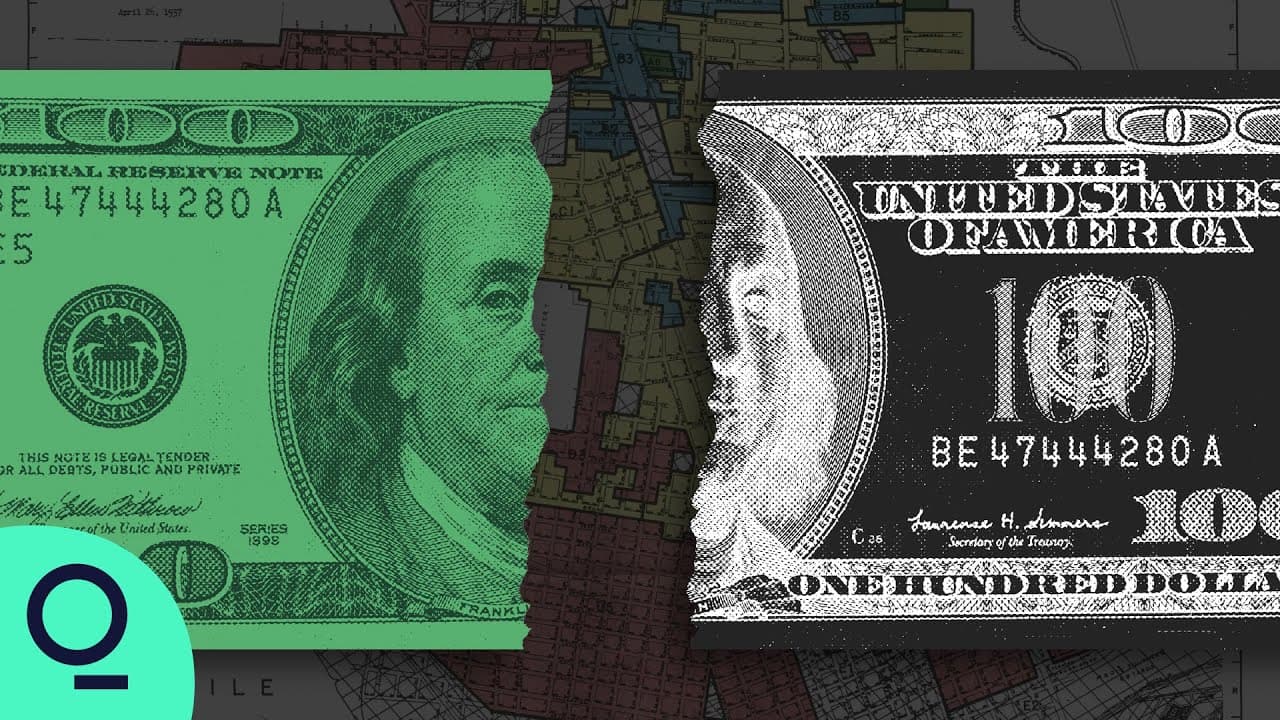
America's racial wealth gap originated from slavery, where Black individuals were treated as capital, enriching White people. Historical policies like the Homestead Acts and redlining further entrenched this gap by denying Black Americans access to wealth-building resources. Despite efforts like the Fair Housing Act of 1968, the gap has widened, underscoring the need for new anti-racist policies to ensure equal economic opportunities.
Transcript
[Martin Luther King Jr.] The fact is that millions of Negroes, as a result of centuries of denial and neglect, have been left bootless. It is a cruel jest to say to a bootless man that he ought to lift himself by his own bootstraps. At the dawn of emancipation, the total Black wealth in America was about 0.5%. Today that number is between 1-2%. So ... Read More
Key Insights
- The racial wealth gap in America has roots in slavery, where Black individuals were considered capital, enriching White people and laying the foundation for economic disparity.
- Despite the abolition of slavery, systemic policies like the Homestead Acts and redlining perpetuated economic disadvantages for Black Americans while benefiting White Americans.
- The promise of 40 acres and a mule to freed slaves was revoked, demonstrating the government's role in denying Black Americans opportunities for wealth accumulation.
- The destruction of Black wealth through racial violence, exemplified by the Tulsa Massacre, highlights the persistent threats to Black economic progress throughout history.
- Government policies, such as the 1934 National Housing Act, excluded Black people from home ownership, a key driver of wealth, further entrenching the racial wealth gap.
- Redlining practices intentionally devalued Black neighborhoods, leading to economic stagnation and limiting opportunities for residents to build wealth.
- The Fair Housing Act of 1968 attempted to address housing discrimination, but the wealth gap has widened since, with Black families holding significantly less wealth than White families.
- Policy changes can rectify disparities; anti-racist policies are needed to ensure equal opportunities for capital accumulation and economic security for all Americans.
Install to Summarize YouTube Videos and Get Transcripts
Explore YouTube Video Summarizer or Get YouTube Transcript Extractor
Questions & Answers
Q: How did slavery contribute to America's racial wealth gap?
Slavery contributed to America's racial wealth gap by treating Black individuals as capital, enriching White people through their labor and bodies. This laid the foundation for economic disparity, as Black people were denied opportunities for wealth accumulation while White people benefited from their exploitation.
Q: What role did the Homestead Acts play in the racial wealth gap?
The Homestead Acts played a significant role in the racial wealth gap by granting 270 million acres of land to White Americans, excluding Black people. This facilitated wealth accumulation for White families, providing them with capital and resources, while Black Americans were denied similar opportunities.
Q: How did redlining practices affect Black neighborhoods?
Redlining practices affected Black neighborhoods by designating them as high-risk, leading to disinvestment and economic stagnation. This exclusion from financial products like mortgages prevented Black residents from building wealth through home ownership, further entrenching the racial wealth gap.
Q: What was the impact of the Tulsa Massacre on Black wealth?
The Tulsa Massacre had a devastating impact on Black wealth by destroying the prosperous Black Wall Street, resulting in significant property damage and displacement. This violent act was part of a broader pattern of racial violence that targeted Black economic progress, undermining wealth accumulation efforts.
Q: How did the National Housing Act of 1934 exclude Black Americans?
The National Housing Act of 1934 excluded Black Americans by making home ownership affordable for White working-class individuals while denying similar opportunities to Black people. This exclusion was facilitated by discriminatory practices like redlining, which prevented Black families from accessing mortgages and building wealth.
Q: What was the promise of 40 acres and a mule?
The promise of 40 acres and a mule was made to freed slaves by General Sherman, intending to provide them with land and resources to build economic independence. However, this promise was revoked by President Johnson, denying Black Americans a crucial opportunity for wealth accumulation and economic security.
Q: What was the Fair Housing Act of 1968?
The Fair Housing Act of 1968 aimed to end housing discrimination by prohibiting racial discrimination in housing sales and rentals. Despite its intentions, the act struggled to undo decades of damage caused by discriminatory policies, and the racial wealth gap has continued to widen since its enactment.
Q: What policies are needed to address the racial wealth gap?
To address the racial wealth gap, new policies are needed that are anti-racist and ensure equal opportunities for capital accumulation. These policies should focus on rectifying historical injustices, providing economic security, and facilitating wealth-building opportunities for all Americans, regardless of race.
Summary & Key Takeaways
-
The racial wealth gap in America originates from slavery, where Black individuals were used as capital, enriching White people. Post-emancipation policies continued to disadvantage Black Americans economically, preventing wealth accumulation and perpetuating inequality.
-
Government policies like the Homestead Acts and redlining further entrenched the racial wealth gap by denying Black Americans access to land and home ownership, key drivers of wealth, while facilitating wealth accumulation for White Americans.
-
Efforts like the Fair Housing Act of 1968 aimed to address discrimination, but the wealth gap persists and has widened. New policies are needed to ensure equal economic opportunities and address historical injustices that have disadvantaged Black Americans.
Read in Other Languages (beta)
Share This Summary 📚
Summarize YouTube Videos and Get Video Transcripts with 1-Click
Try YouTube Summary with ChatGPT & Claude or YouTube Transcript Generator
Explore More Summaries from Bloomberg Originals 📚






Summarize YouTube Videos and Get Video Transcripts with 1-Click
Try YouTube Summary with ChatGPT & Claude or YouTube Transcript Generator