What Foods Decrease Cortisol Levels Effectively?
TL;DR
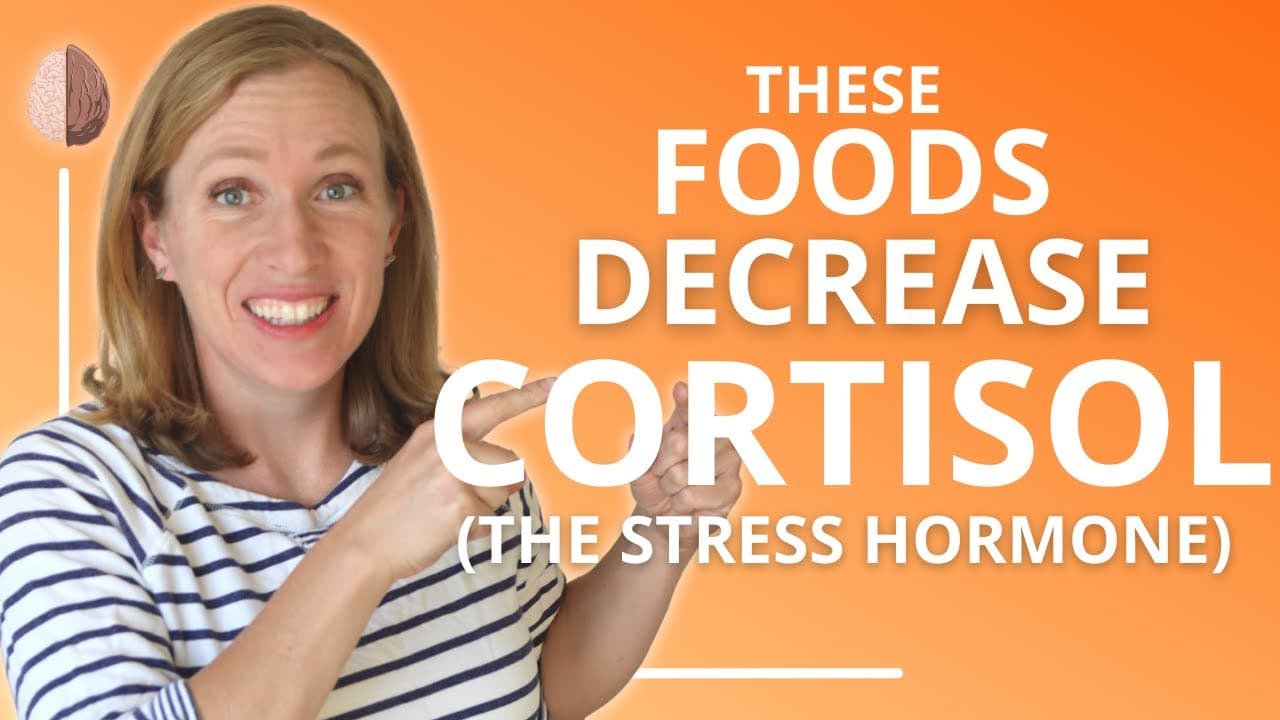
Foods that decrease cortisol levels include those high in B vitamins, omega-3 fatty acids, magnesium, and fiber. A diet rich in fruits, vegetables, whole grains, and healthy fats, similar to the Mediterranean diet, can help reduce stress hormone levels. Additionally, staying hydrated and avoiding saturated fats and sugars are crucial for maintaining lower cortisol levels.
Transcript
i'm emma mcadam i'm a licensed marriage and family therapist and today we're going to talk about foods that naturally decrease cortisol managing stress involves a lot of things a healthy work-life balance good boundaries sleep exercise but changing what you eat can also have a big impact on your stress levels and that's because what you e... Read More
Key Insights
- 🥺 Cortisol is a stress hormone that, when chronically elevated, can lead to various negative health consequences.
- 🎚️ An anti-inflammatory diet, similar to the Mediterranean diet, can help decrease cortisol levels.
- 🚄 Foods high in B vitamins, omega-3s, magnesium, those that regulate blood sugar, and promote a healthy gut microbiome can naturally decrease cortisol levels.
- 😋 It is beneficial to prioritize whole foods over supplements as they offer a wider range of nutrients and support gut health.
- 🥘 Avoiding foods high in saturated fats, simple sugars, and caffeine can help lower cortisol levels.
Install to Summarize YouTube Videos and Get Transcripts
Explore YouTube Video Summarizer or Get YouTube Transcript Extractor
Questions & Answers
Q: How does cortisol impact the body, and what are the consequences of chronic exposure?
Cortisol helps regulate sleep cycles, inflammation, blood pressure, and blood sugar levels. However, chronic exposure to cortisol can lead to anxiety, depression, fatigue, weight gain, higher blood pressure, decreased immune system, diabetes, and heart disease.
Q: How does diet impact cortisol levels?
Research shows that people on a traditional American diet high in fat, sugar, and carbs have higher cortisol levels. On the other hand, an anti-inflammatory diet, which includes fruits, vegetables, whole grains, and polyunsaturated fats, can decrease cortisol levels.
Q: Which nutrients and foods can help metabolize cortisol?
Foods high in B vitamins, especially B12, are known to help metabolize cortisol. Good sources include organ meat, beef, chicken, eggs, nutritional yeast, and fortified cereals.
Q: What are some plant-based sources of omega-3s that can help reduce cortisol levels?
Plant-based sources of omega-3s include walnuts, avocados, chia, flax, olive oil, tuna, mackerel, herring, and anchovies.
Q: How does magnesium-rich food affect cortisol levels?
Magnesium is essential for relaxing muscles, reducing inflammation, and metabolizing cortisol. Foods rich in magnesium include pumpkin seeds, almonds, pistachios, broccoli, bananas, avocado, artichokes, and dark chocolate.
Q: How can foods that help regulate blood sugar levels decrease cortisol?
Letting yourself get too hungry by going too long between meals can be stressful for the body. Regular meals and protein-rich foods, especially beans and legumes, can help regulate blood sugar levels and decrease cortisol.
Q: How do high fiber foods and probiotics contribute to lower cortisol levels?
High fiber foods promote a healthy gut microbiome, which in turn improves mental health. Fiber is called a prebiotic and is found in fruits and vegetables. Probiotics, found in live yogurt, kimchi, kombucha, kefir, and sauerkraut, introduce good bacteria to the gut.
Q: Does hydration affect cortisol levels?
Dehydration can increase stress in the body, leading to higher cortisol levels. Staying well hydrated by drinking enough water every day can help manage cortisol levels.
Summary & Key Takeaways
-
Cortisol, known as the stress hormone, plays various important roles in the body, but chronic exposure to it can lead to negative health consequences.
-
Research shows that a traditional American diet high in fat, sugar, and carbs can increase cortisol levels, while an anti-inflammatory diet can counteract its effects.
-
Foods high in B vitamins, omega-3s, magnesium, and those that help regulate blood sugar and promote a healthy gut microbiome can naturally decrease cortisol levels.
Read in Other Languages (beta)
Share This Summary 📚
Summarize YouTube Videos and Get Video Transcripts with 1-Click
Try YouTube Summary with ChatGPT & Claude or YouTube Transcript Generator
Explore More Summaries from Therapy in a Nutshell 📚






Summarize YouTube Videos and Get Video Transcripts with 1-Click
Try YouTube Summary with ChatGPT & Claude or YouTube Transcript Generator