How NFTs Are Shaping the Metaverse Economy
TL;DR
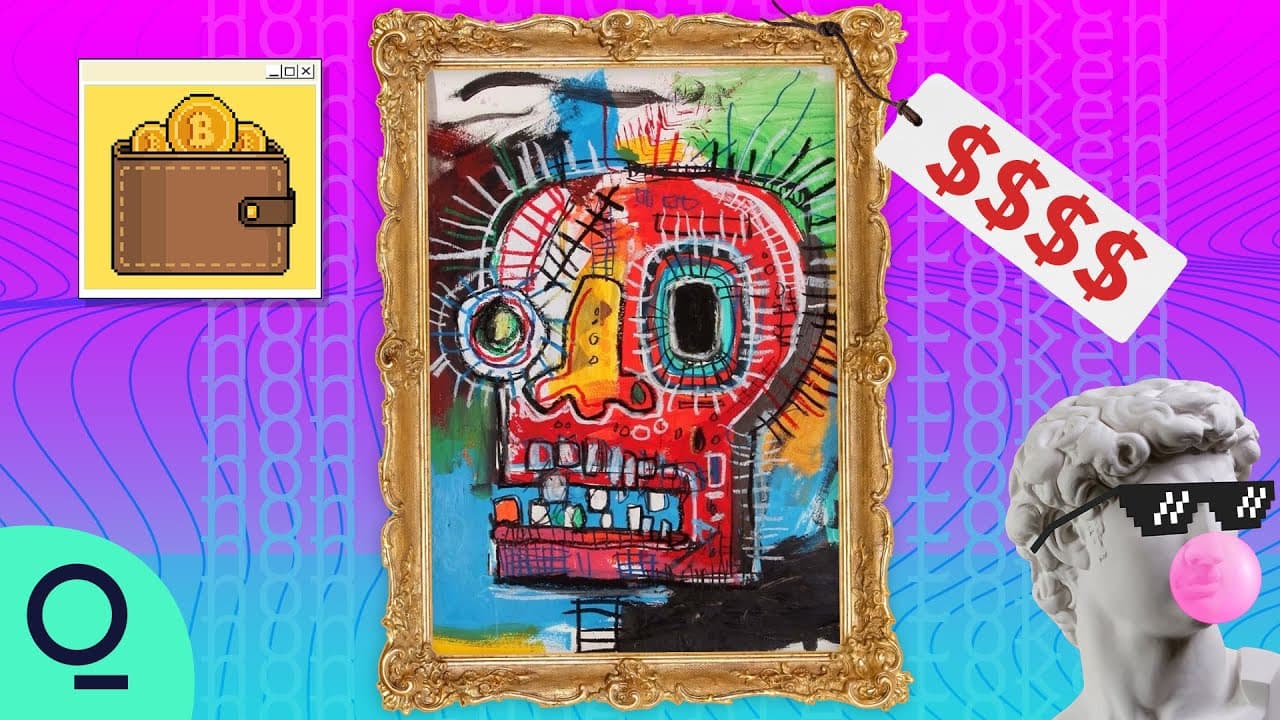
NFTs, or non-fungible tokens, have introduced the concept of digital scarcity, transforming digital objects into unique assets. This shift is paving the way for NFTs to play a significant role in the metaverse, especially within gaming, where they offer new ways to own, trade, and earn through digital collectibles. Despite initial volatility, NFTs are gaining traction with potential to revolutionize digital interactions.
Transcript
Only a few months ago, the term NFT was exploding all over the internet. Now to the latest trend, the skyrocketing prices for digital arts sold as NFTs- The Christie's auction for digital artist, Beeple, coming to a close a few moments ago, the final bid, $69 million. $69 million. I think it probably means digital artists here to stay. Anybody in t... Read More
Key Insights
- NFTs are digital tokens that create scarcity for digital objects using blockchain technology.
- The NFT market initially boomed with high-value sales but faced a correction, stabilizing the market.
- NFTs are gaining popularity in gaming, allowing players to own, trade, and earn through digital items.
- The metaverse offers a new digital ecosystem where NFTs can thrive, potentially reaching a market size of $800 billion by 2024.
- Gaming companies are integrating NFTs to attract mainstream gamers and create new economic opportunities.
- The environmental impact of NFTs is a concern due to high energy consumption, but solutions are being developed.
- Community engagement is crucial for the success of NFT-based games, as it drives the perceived value of digital assets.
- NFTs could either become a fleeting trend or a fundamental part of digital interactions, depending on societal acceptance.
Install to Summarize YouTube Videos and Get Transcripts
Explore YouTube Video Summarizer or Get YouTube Transcript Extractor
Questions & Answers
Q: How do NFTs create digital scarcity?
NFTs create digital scarcity through blockchain technology, which allows digital objects to be tokenized, making them unique and limited in number. This process, known as minting, records the scarcity of digital items on a blockchain ledger, transforming infinitely reproducible objects into scarce assets that can be owned, traded, and sold. This concept is pivotal in establishing value for digital items in the metaverse.
Q: Why did the NFT market experience a correction?
The NFT market experienced a correction after an initial boom due to high-value sales that were unsustainable. As the market matured, prices for many NFT artworks dropped significantly, leading to a stabilization of the market. This correction was deemed healthy by experts, as it paved the way for projects with real utility and broader appeal, rather than speculative investments driven by hype.
Q: How are NFTs being used in gaming?
NFTs are being used in gaming to create unique digital items that players can own, trade, and earn through gameplay. Games like 'Axie Infinity' and 'Blankos Block Party' integrate NFTs to offer players new economic opportunities, allowing them to buy, sell, and level up digital collectibles. This model, known as play-to-earn, is attracting mainstream gamers and introducing them to the NFT and crypto world.
Q: What challenges do NFTs face in terms of environmental impact?
NFTs face environmental challenges due to the high energy consumption required for blockchain transactions. Each NFT transaction involves complex computations by computers worldwide, resulting in significant carbon emissions. Efforts are underway to develop more energy-efficient blockchain technologies, such as Ethereum's transition to a proof-of-stake model, to reduce the environmental footprint of NFT transactions.
Q: What role does community play in the success of NFT games?
Community plays a crucial role in the success of NFT games, as it drives the perceived value of digital assets. Engaged communities foster a sense of ownership and collaboration, enhancing the desirability of NFTs within the game. Successful NFT games build strong communities that actively participate in trading and interacting with digital items, creating a vibrant ecosystem that sustains the game's economy.
Q: Could NFTs become a fundamental part of digital interactions?
NFTs have the potential to become a fundamental part of digital interactions, transforming how we perceive ownership and value in the digital world. As the metaverse expands, NFTs could play a significant role in shaping digital economies, enabling new forms of commerce and social interaction. However, their long-term success depends on technological advancements, market acceptance, and the ability to create meaningful digital experiences.
Q: What is the market potential for the metaverse and NFTs by 2024?
The market potential for the metaverse, including NFTs, is projected to reach $800 billion by 2024. This growth is driven by increasing interest in digital worlds and the integration of NFTs into various sectors, particularly gaming. As more companies invest in the metaverse, NFTs are expected to play a crucial role in creating new economic opportunities and reshaping digital interactions.
Q: How are companies addressing the scalability of NFT transactions?
Companies are addressing the scalability of NFT transactions by developing more efficient blockchain technologies and creating proprietary solutions. For example, Mythical Games uses its own blockchain technology to support scalable NFT transactions within its games. These advancements aim to reduce transaction costs and energy consumption, enabling a broader adoption of NFTs across various digital platforms and ensuring the sustainability of the NFT market.
Summary & Key Takeaways
-
NFTs have introduced the concept of digital scarcity, transforming how digital objects are valued by making them unique through blockchain technology. This has opened new opportunities in the metaverse, particularly in gaming, where NFTs enable ownership, trading, and earning through digital collectibles. Despite initial volatility, the NFT market is stabilizing and gaining traction, with potential to revolutionize digital interactions.
-
The integration of NFTs into gaming is attracting mainstream gamers by offering new economic opportunities and ways to interact with digital assets. Companies are developing blockchain technology to support NFT transactions, while addressing environmental concerns related to energy consumption. Community engagement is key to driving the perceived value of NFTs, as it fosters a sense of ownership and collaboration among users.
-
NFTs could either become a fleeting trend or a fundamental part of digital interactions, depending on societal acceptance. As the metaverse continues to grow, NFTs have the potential to play a significant role in shaping the digital economy, with a projected market size of $800 billion by 2024. The future of NFTs will depend on technological advancements, market expansion, and the ability to create meaningful digital experiences.
Read in Other Languages (beta)
Share This Summary 📚
Summarize YouTube Videos and Get Video Transcripts with 1-Click
Try YouTube Summary with ChatGPT & Claude or YouTube Transcript Generator
Explore More Summaries from Bloomberg Originals 📚





Summarize YouTube Videos and Get Video Transcripts with 1-Click
Try YouTube Summary with ChatGPT & Claude or YouTube Transcript Generator