Companions In The Trenches - Animals of World War 1
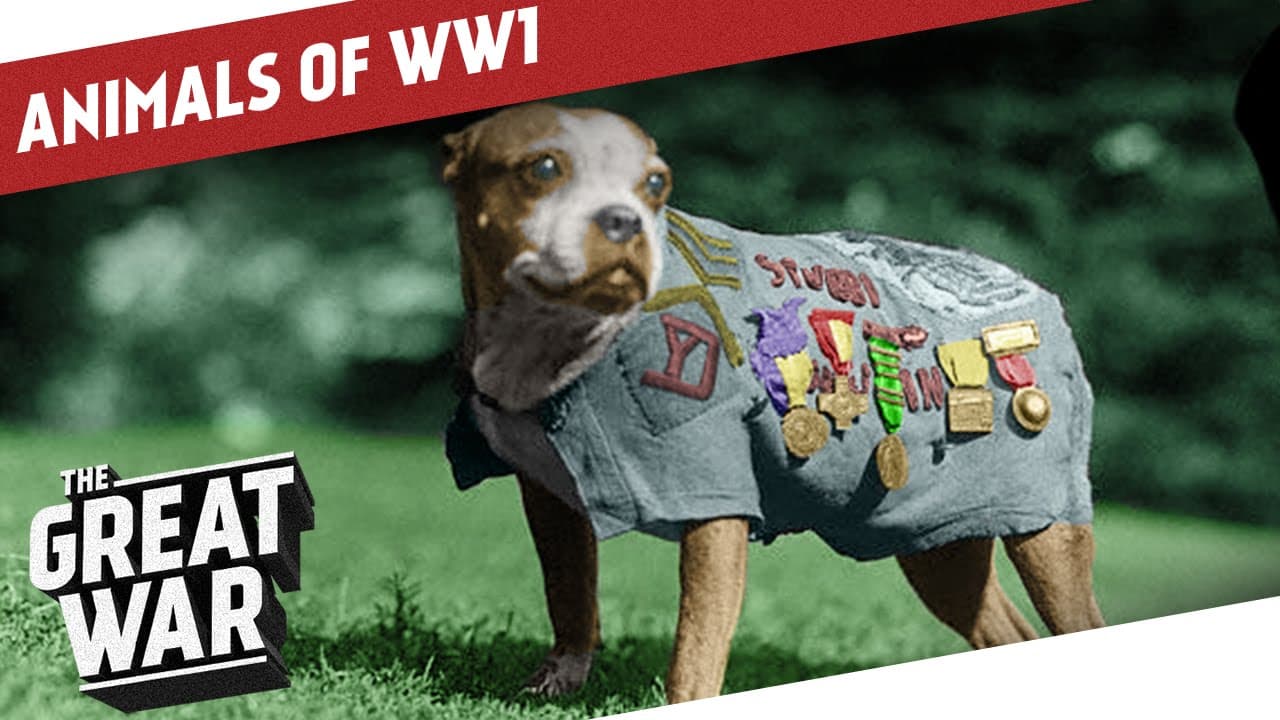
TL;DR
Animals were crucial in World War 1 for transport and morale.
Transcript
The First World War saw huge leaps and bounds in the development of technological warfare, but it also made unprecedented demands on what many might see as archaic methods of fighting. Sure, there were tanks, planes, and machine guns, but the actual fighting still depended on the physical and emotional suffering and sacrifice of men, and those men,... Read More
Key Insights
- Despite technological advancements, World War 1 heavily relied on animals for transportation, with horses, donkeys, and camels playing major roles.
- Horses were vital for transporting supplies and soldiers, but they faced harsh conditions, leading to the death of 8 million during the war.
- Dogs served in various capacities, including sentry, scout, messenger, and mascot roles, proving invaluable in the challenging trench conditions.
- Pigeons were essential for communication, with a 95% success rate in delivering messages, despite threats from enemy hawks.
- The war caused severe fodder shortages, impacting both the Allied and Central Powers, with substitutes like sawdust used to feed horses.
- The psychological bond between soldiers and animals provided comfort and morale amidst the horrors of trench warfare.
- Animal hygiene was a significant challenge, with manure contributing to unsanitary conditions and disease outbreaks.
- Military honors were sometimes awarded to animals for their contributions, highlighting their importance in the war effort.
Install to Summarize YouTube Videos and Get Transcripts
Explore YouTube Video Summarizer or Get YouTube Transcript Extractor
Questions & Answers
Q: What roles did animals play in World War 1?
Animals played several roles in World War 1, including transportation, communication, and morale boosting. Horses, donkeys, and camels were used for transporting supplies and soldiers. Dogs served as sentries, scouts, messengers, and mascots, while pigeons were crucial for relaying messages across battlefields. These roles were vital in the war effort.
Q: How did horses contribute to the war effort?
Horses were indispensable in World War 1 for transporting supplies, soldiers, and the wounded. They pulled field guns and ambulances and were a primary mode of transport in areas where motorized vehicles were impractical. Despite their importance, horses faced harsh conditions, leading to the death of millions during the war.
Q: What challenges did animals face during the war?
Animals faced numerous challenges during World War 1, including harsh weather conditions, inadequate feeding, and exposure to diseases. Horses, in particular, suffered from poor hygiene and unsanitary conditions, leading to disease outbreaks. Fodder shortages were also a significant issue, with substitutes like sawdust used to feed them.
Q: How were dogs utilized in World War 1?
Dogs were utilized in various roles during World War 1, including as sentries, scouts, messengers, and mascots. They were trained to detect enemy presence, deliver messages across battlefields, and provide psychological comfort to soldiers. Their agility and ability to navigate difficult terrain made them valuable assets in the trenches.
Q: Why were pigeons important in World War 1?
Pigeons were crucial for communication in World War 1, especially when other methods like telephones and radios were unreliable. Homing pigeons carried messages with a 95% success rate, even under enemy fire. Their ability to deliver messages quickly and accurately made them an essential part of military operations.
Q: What impact did fodder shortages have during the war?
Fodder shortages during World War 1 had a significant impact on both the Allied and Central Powers. Horses and other animals faced starvation due to limited supplies, leading to the use of substitutes like sawdust. These shortages affected the animals' health and efficiency, complicating military logistics and operations.
Q: How did animals provide psychological comfort to soldiers?
Animals provided psychological comfort to soldiers by offering companionship and a sense of normalcy amidst the horrors of trench warfare. Dogs, in particular, served as mascots and companions, boosting morale and alleviating the mental strain of combat. This bond between soldiers and animals was a crucial aspect of their well-being.
Q: Did animals receive recognition for their contributions?
Yes, some animals received military honors for their contributions during World War 1. Notable examples include the pigeon 'Cher Ami,' who was awarded the Croix de Guerre for bravery. These honors highlighted the significant role animals played in the war effort, often risking or sacrificing their lives to save soldiers and ensure mission success.
Summary & Key Takeaways
-
The First World War saw significant reliance on animals despite technological advancements. Horses, donkeys, and camels were crucial for transportation, while dogs and pigeons played vital roles in communication and morale. The harsh conditions led to millions of animal deaths, underscoring their sacrifice alongside soldiers.
-
Horses were indispensable in World War 1, with 8 million perishing due to harsh conditions and inadequate care. Dogs served in multiple capacities, including as scouts and messengers, while pigeons were vital for communication, achieving a 95% success rate in delivering messages across battlefields.
-
The war's reliance on animals highlighted the challenges of maintaining hygiene and feeding them amidst shortages. Despite these difficulties, animals provided psychological comfort to soldiers, with some even receiving military honors for their contributions. Their role was crucial in the survival and success of military operations.
Read in Other Languages (beta)
Share This Summary 📚
Summarize YouTube Videos and Get Video Transcripts with 1-Click
Try YouTube Summary with ChatGPT & Claude or YouTube Transcript Generator
Explore More Summaries from The Great War 📚

Summarize YouTube Videos and Get Video Transcripts with 1-Click
Try YouTube Summary with ChatGPT & Claude or YouTube Transcript Generator