Contract Law 16 I Wood v Lucy, Lady Duff Gordon
TL;DR
The analysis discusses the Lucy Lady Duff-Gordon case, focusing on the concept of implied promises in contracts and the use of exclusive dealing contracts.
Transcript
today we're going to examine would the lucy lady duff-gordon from this incredibly famous case we will discuss implied promises and the use of those promises as consideration in the process we'll also talk about exclusive dealing contracts lucy lady duff-gordon born lucy Christiana Sutherland was a famous and innovative British fashion designer whos... Read More
Key Insights
- 🤝 Lucy Lady Duff-Gordon's case involved implied promises in contracts and the enforceability of exclusive dealing contracts.
- ❓ Courts have the discretion to infer implied promises when the literal wording of the contract is unclear or lacking.
- 🥳 Judge Cardozo's opinion in this case emphasized the need to consider the intentions and obligations of the parties beyond explicit terms.
- 🥹 The holding in this case has been codified into the Uniform Commercial Code as a default rule for exclusive dealing contracts.
- 🖤 Unconscionable contracts differ from one-sided contracts like this case, as unconscionable contracts involve unfair terms and unfair procedures, whereas one-sided contracts lack mutuality but can still be enforced through implied promises.
- 👋 Including good faith or reasonable effort clauses in exclusive dealing contracts can provide clarity and avoid the need for implied promises.
Install to Summarize YouTube Videos and Get Transcripts
Explore YouTube Video Summarizer or Get YouTube Transcript Extractor
Questions & Answers
Q: What did Wood promise in return to Lady Duff-Gordon for exclusivity?
The agreement gave Wood the exclusive right to place Lady Duff-Gordon's endorsement on other designs, market her products, and grant licenses. However, it wasn't clear if he was obligated to endorse, market, or license anything explicitly.
Q: Why did Lady Duff-Gordon argue that the contract lacked consideration?
Lady Duff-Gordon argued that the contract lacked consideration because Wood did not bind himself to anything. She claimed that Wood's promises were dependent on him actually endorsing, marketing, or licensing her products, which was not explicitly required.
Q: How did the court establish the existence of an implied promise?
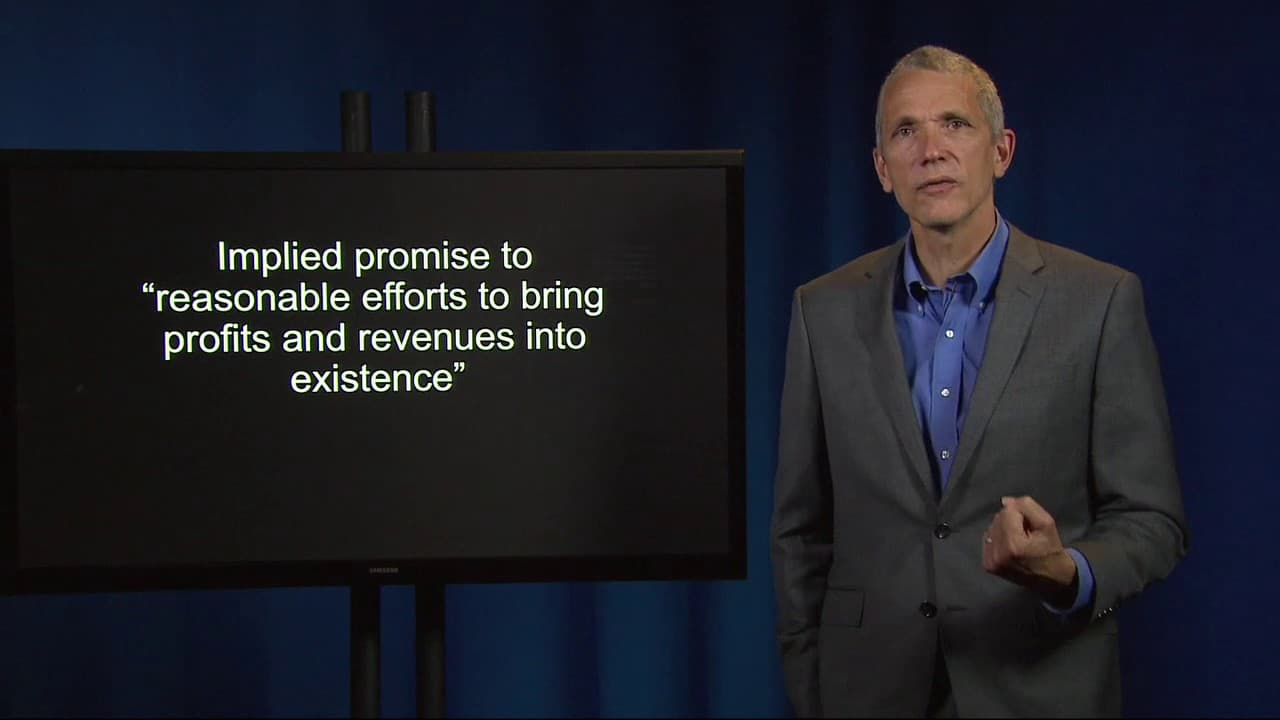
Judge Cardozo held that the law has evolved from strict formalism, and even if a promise is not explicitly stated, it could be implied through the whole context. In this case, the exclusive rights granted to Wood combined with the compensation terms indicated an implied promise to use reasonable efforts to place endorsements and market Lady Duff-Gordon's designs.
Q: Is the implied promise based on the necessity for Lady Duff-Gordon's profits?
Yes, the court argued that if Wood had no obligation to endorse or market the products, Lady Duff-Gordon couldn't benefit from her exclusive agreement. Therefore, the acceptance of the exclusive agency imposed a duty on Wood to make reasonable efforts.
Summary & Key Takeaways
-
Lucy Lady Duff-Gordon, a famous fashion designer, signed an exclusive contract with advertising agent Otis F Wood, giving him rights to her endorsement and designs.
-
Lady Duff-Gordon listed her products in Sears Roebuck catalogue without informing Wood and withheld profits, leading to a lawsuit.
-
The court analyzed whether Wood's promise of exclusivity in exchange for Lady Duff-Gordon's endorsement constituted an enforceable agreement.
Read in Other Languages (beta)
Share This Summary 📚
Summarize YouTube Videos and Get Video Transcripts with 1-Click
Try YouTube Summary with ChatGPT & Claude or YouTube Transcript Generator
Explore More Summaries from YaleCourses 📚




Summarize YouTube Videos and Get Video Transcripts with 1-Click
Try YouTube Summary with ChatGPT & Claude or YouTube Transcript Generator