What Causes War and Why Do Humans Keep Fighting?
TL;DR
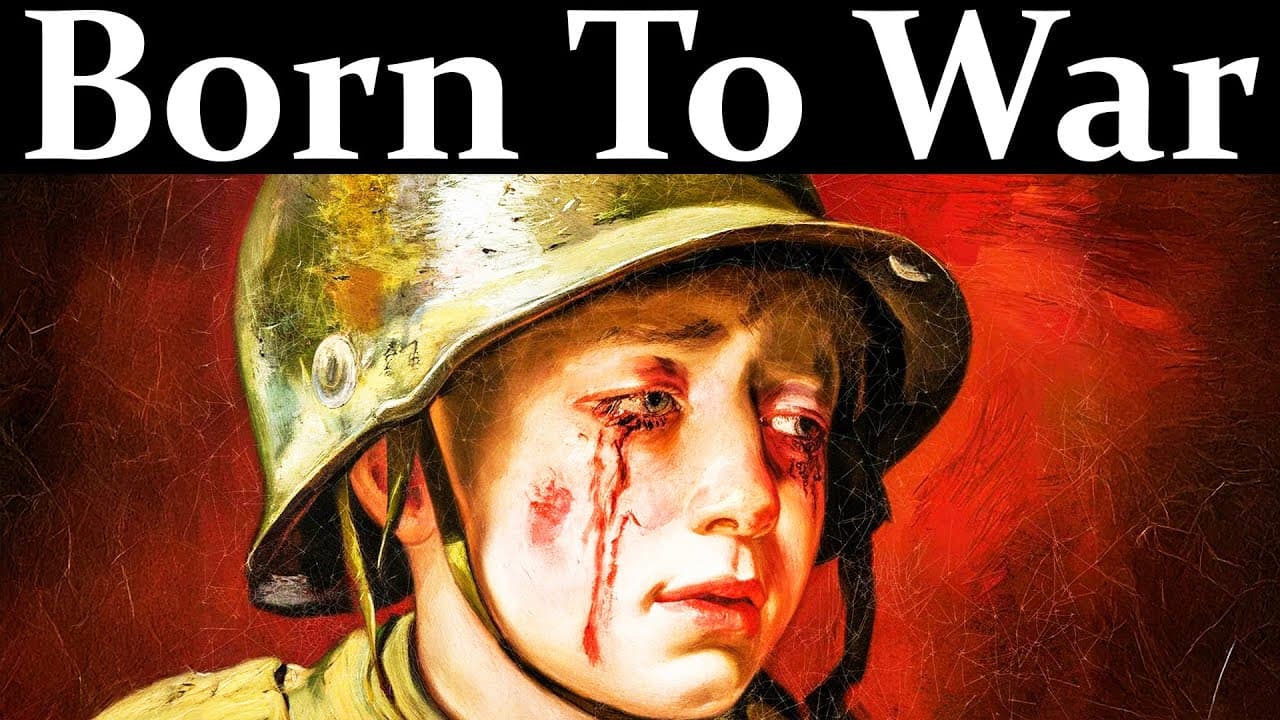
War is driven by deep-seated psychological impulses that manifest through human behavior and societal structures. The need for conflict arises from both unconscious instincts and the projection of personal and collective shadows, resulting in the creation of enemies. Understanding these dynamics is essential for breaking the cycle of violence and fostering more peaceful interactions.
Transcript
why do we need to fight against each other this question transcends the centuries echoing in the ruins of ancient civilizations in peace treaties signed in marble halls and more recently in the polarized debates that dominate social media in a world that considers itself civilized enlightened and advanced why does the impulse for conflict persist w... Read More
Key Insights
- War is not merely a historical or political phenomenon but a manifestation of deep psychological impulses within humans.
- The impulse for conflict is rooted in both biological instincts and social constructs, persisting through history.
- Carl Jung's concept of the shadow explains how unrecognized personal flaws are projected onto others, creating enemies.
- Historical and archaeological evidence suggests that war has been a part of human societies since prehistoric times.
- Philosophers like Hobbes and Rousseau provide different perspectives on whether war is a natural human state or a product of civilization.
- Freud's theory of the death instinct suggests an innate human drive towards destruction, influencing conflict.
- Modern technologies and social media amplify polarizing narratives, reinforcing the us-versus-them mentality.
- Individual and collective self-awareness and integration of the shadow are crucial for reducing the cycle of conflict.
Install to Summarize YouTube Videos and Get Transcripts
Explore YouTube Video Summarizer or Get YouTube Transcript Extractor
Questions & Answers
Q: What is the main argument of the video regarding the nature of war?
The video argues that war is not just a historical or political phenomenon but a deep-seated psychological impulse within humans. It is rooted in both biological instincts and social constructs that have persisted throughout history, manifesting in various forms from ancient times to modern conflicts.
Q: How does Carl Jung's concept of the shadow relate to the creation of enemies?
Carl Jung's concept of the shadow refers to the repressed parts of the psyche that individuals deny or hide. When these dark aspects are not recognized, they tend to be projected onto others, creating enemies. This projection transforms others into embodiments of what individuals reject in themselves, fueling conflict and hostility.
Q: What historical evidence supports the idea that war is inherent to human societies?
Archaeological findings suggest that war has been a part of human societies since prehistoric times. Evidence includes skeletons with signs of violent death, defensive structures around ancient villages, and high mortality rates from violence in pre-state societies. These findings challenge the notion of a peaceful prehistoric past and indicate that conflict was prevalent.
Q: How do modern technologies and social media influence human conflict?
Modern technologies and social media amplify polarizing narratives, reinforcing the us-versus-them mentality. Algorithms favor content that fuels anger and prejudice, creating discursive bubbles with little room for dialogue or empathy. This environment intensifies symbolic wars, where differences in opinion are treated as existential threats.
Q: What role does self-awareness play in breaking the cycle of conflict?
Self-awareness is crucial in breaking the cycle of conflict as it involves recognizing and integrating the shadow. By understanding and accepting one's own flaws and impulses, individuals can reduce the tendency to project these onto others. This process fosters empathy and reduces hostility, contributing to more conscious and peaceful interactions.
Q: What philosophical perspectives are discussed in the video regarding the origins of war?
The video discusses perspectives from philosophers like Thomas Hobbes, who viewed war as a natural human state driven by fear and desire, and Jean-Jacques Rousseau, who argued that war is a product of civilization and inequality. Sigmund Freud's theory of the death instinct also suggests an innate drive towards destruction that influences conflict.
Q: How do societal structures and narratives contribute to the perpetuation of war?
Societal structures and narratives contribute to war by shaping perceptions and creating symbolic enemies. Institutions like media, politics, and education define what is considered true or false, constructing the symbolic field where enemies are created. These narratives justify conflict as a defense of morality or order, leading to dehumanization and violence.
Q: What practical steps can individuals and societies take to reduce conflict?
Individuals can reduce conflict by developing self-awareness, integrating their shadow, and practicing empathy and authentic dialogue. Societies can promote peace education, emotional intelligence, and open dialogue environments. Cultural narratives should be rethought to avoid perpetuating war logic, and efforts should focus on recognizing shared humanity to reduce hostility.
Summary & Key Takeaways
-
War is a deep-seated psychological phenomenon, not just a historical or political event. It stems from unconscious human instincts and societal structures that have existed throughout history.
-
The projection of personal and collective shadows onto others creates enemies, fueling conflict. Philosophers and psychologists like Jung and Freud have explored these impulses.
-
Modern technology and media exacerbate polarization, creating a continuous symbolic war. Understanding and integrating these unconscious forces can help break the cycle of hostility.
Read in Other Languages (beta)
Share This Summary 📚
Summarize YouTube Videos and Get Video Transcripts with 1-Click
Try YouTube Summary with ChatGPT & Claude or YouTube Transcript Generator
Explore More Summaries from Psyphoria 📚

Summarize YouTube Videos and Get Video Transcripts with 1-Click
Try YouTube Summary with ChatGPT & Claude or YouTube Transcript Generator