If You Want to Be Free, Stop Being Afraid of Conflict - Nietzsche
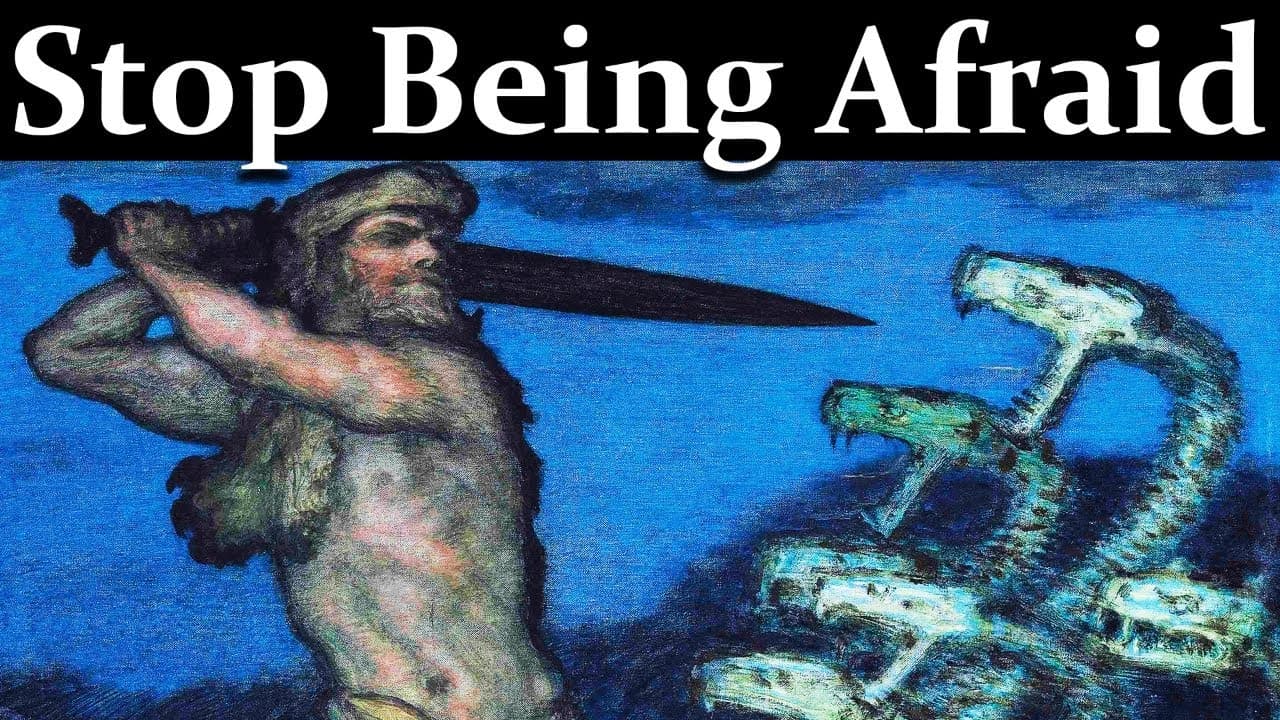
TL;DR
Fear of conflict imprisons your true self; learn to break free.
Transcript
have you ever caught yourself thinking "Better to let it go it's not worth arguing i'm bigger than this." How many times have you swallowed the right word the necessary response the screams stuck in your throat just to avoid a conflict well I'm going to tell you something that might hurt to hear every time you do this you betray yourself we live in... Read More
Key Insights
- Nietzsche criticizes the societal norm of avoiding conflict, labeling it as 'slave morality' where submission is mistakenly seen as a virtue.
- Fear of confrontation stems from a desire to maintain superficial peace and approval, leading to self-betrayal and internal resentment.
- Nietzsche's concept of 'slave morality' suggests that values of humility and submission were born from the powerless to protect against the strong.
- Resentment arises when individuals suppress their will to act, leading to internalized anger and a false sense of moral superiority.
- The 'will to power' is essential for personal liberation, encouraging individuals to assert themselves and break free from the chains of submission.
- Nietzsche's metaphor of the camel, lion, and child illustrates a transformative journey from burden-bearing to freedom and creativity.
- Authenticity requires facing conflicts to discover and affirm one's true identity, moving beyond societal expectations and imposed roles.
- Silence in the face of injustice is complicity, and true courage involves confronting necessary conflicts to live with integrity.
Install to Summarize YouTube Videos and Get Transcripts
Explore YouTube Video Summarizer or Get YouTube Transcript Extractor
Questions & Answers
Q: What is 'slave morality' according to Nietzsche?
Slave morality, as described by Nietzsche, is a value system that emerged from the powerless as a defense mechanism against the strong. It glorifies traits like submission, humility, and obedience, which were originally adopted out of necessity rather than genuine virtue. This morality inversely labels strength and assertiveness as negative traits.
Q: How does fear of conflict affect personal identity?
Fear of conflict can erode personal identity by causing individuals to suppress their true desires and conform to societal expectations. This avoidance leads to self-betrayal, as people choose paths that please others rather than align with their authentic selves. Over time, this can dilute one's sense of self and hinder personal growth.
Q: What role does resentment play in avoiding conflict?
Resentment arises when individuals suppress their natural impulse to assert themselves, leading to internalized anger and frustration. This repressed energy turns inward, creating a false sense of moral superiority and a narrative that justifies passivity. Resentment becomes a corrosive force that undermines one's life, fostering bitterness and self-pity.
Q: What is the 'will to power' and its significance?
The 'will to power' is a fundamental drive in Nietzsche's philosophy, representing the inherent impulse to assert oneself, grow, and transcend limits. It is not about domination but about living with integrity and authenticity. Reclaiming this will is crucial for breaking free from societal constraints and living a life true to one's values.
Q: How can one transition from being a 'camel' to a 'lion'?
Transitioning from a 'camel' to a 'lion' involves rejecting societal burdens and expectations that suppress individuality. The 'camel' represents submission and endurance, while the 'lion' embodies the courage to say no and assert one's will. This transformation requires confronting the fear of conflict and embracing one's inner strength to live authentically.
Q: What is the ultimate goal of Nietzsche's metamorphosis metaphor?
The ultimate goal of Nietzsche's metamorphosis metaphor, moving from camel to lion to child, is to achieve a state of creative freedom and authenticity. The 'child' represents a reborn spirit that is free from societal constraints and capable of creating new values. This stage signifies living joyfully and authentically, beyond mere reaction to external pressures.
Q: Why is silence in the face of injustice problematic?
Silence in the face of injustice is problematic because it reinforces oppressive behaviors and teaches the world that such treatment is acceptable. It is not a neutral stance but an act of complicity, allowing patterns of domination and abuse to persist. True integrity requires courage to confront injustices and assert one's values and boundaries.
Q: How does facing conflict contribute to self-discovery?
Facing conflict is essential for self-discovery as it challenges individuals to confront their true values, beliefs, and desires. Conflict serves as a crucible for forging identity, revealing what one truly stands for. By engaging in necessary confrontations, individuals can peel away societal layers and uncover their authentic selves, leading to a more fulfilling life.
Summary & Key Takeaways
-
Nietzsche's philosophy challenges the notion that avoiding conflict is a virtue, highlighting how this fear leads to self-betrayal and internal resentment. He introduces 'slave morality' as a societal construct that glorifies submission, urging individuals to reclaim their 'will to power' to live authentically.
-
The video explores Nietzsche's metaphor of the camel, lion, and child, representing stages of personal transformation. By overcoming fear and embracing conflict, individuals can break free from societal expectations, assert their true identity, and live with integrity and creativity.
-
Silence in the face of injustice is not wisdom but complicity. Nietzsche emphasizes the importance of confronting necessary conflicts to assert one's values and boundaries, encouraging viewers to embark on a journey of self-discovery and authentic existence.
Read in Other Languages (beta)
Share This Summary 📚
Summarize YouTube Videos and Get Video Transcripts with 1-Click
Try YouTube Summary with ChatGPT & Claude or YouTube Transcript Generator
Explore More Summaries from Psyphoria 📚
Summarize YouTube Videos and Get Video Transcripts with 1-Click
Try YouTube Summary with ChatGPT & Claude or YouTube Transcript Generator