The Hospitals That Won't Let Patients Go Home
TL;DR
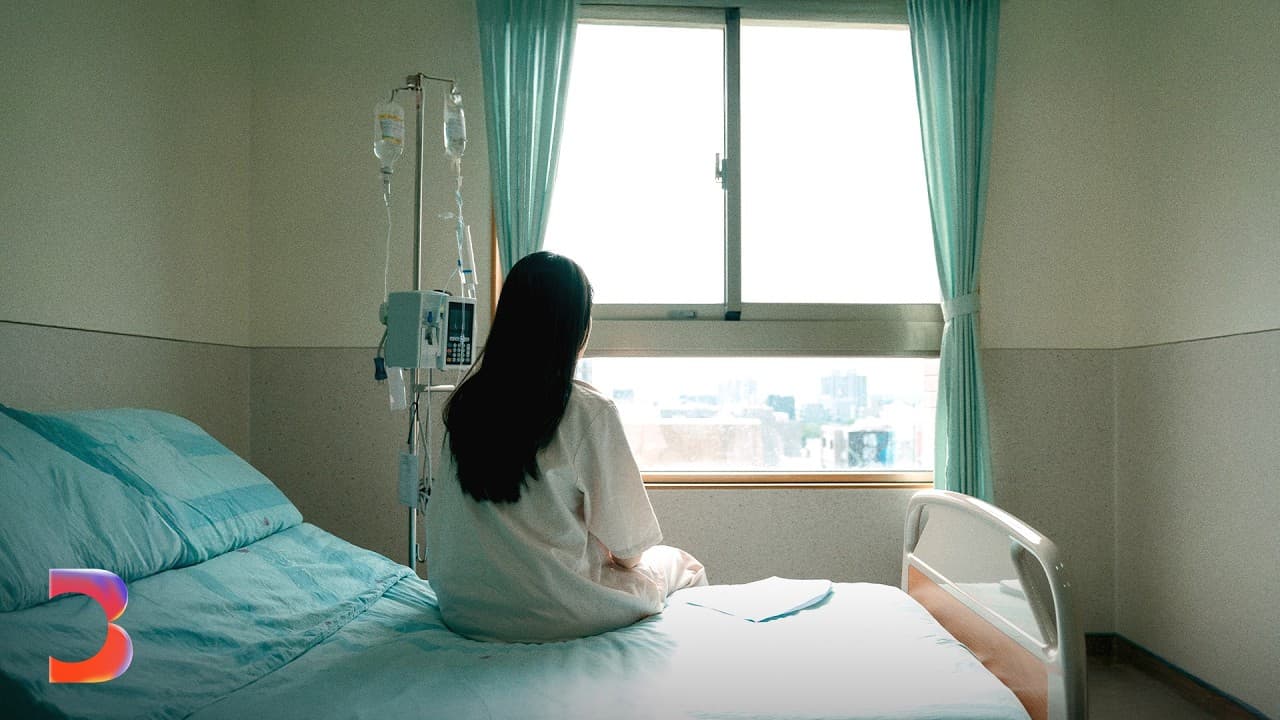
Private hospitals detain patients until bills are paid.
Transcript
In the Philippines, people may survive their illnesses, but not the financial burden that comes with the treatment. Development money that is supposed to be fighting poverty, supposed to be advancing health-care for all, is actually going into these incredibly expensive, exploitative private hospitals. Ayala Corp. invested into health-care in 2015... Read More
Key Insights
- Private hospitals in the Philippines, funded by development money, have been detaining patients until they can pay their bills, exacerbating healthcare inequality.
- Ayala Corp, a major conglomerate in the Philippines, owns hospitals that are part of this exploitative practice, despite receiving funds aimed at alleviating poverty.
- The International Finance Corporation (IFC) has invested millions in private healthcare facilities, but these investments have been linked to patient rights abuses.
- Despite due diligence, the IFC's investments in private hospitals have overlooked patient rights, focusing instead on financial and operational metrics.
- The anti-hospital-detention law in the Philippines has loopholes that private hospitals exploit, resulting in numerous complaints about patient detentions.
- Development funds intended for poverty alleviation are being used to support for-profit hospitals that are impoverishing patients instead.
- Patients like Sarah and Cesar Bonales have been detained in hospitals due to unpaid bills, highlighting the financial burden of healthcare in the Philippines.
- The IFC's investments in private hospitals have not delivered on their promise to improve healthcare access for the poor, instead contributing to patient impoverishment.
Install to Summarize YouTube Videos and Get Transcripts
Explore YouTube Video Summarizer or Get YouTube Transcript Extractor
Questions & Answers
Q: What is the primary issue highlighted in the video?
The primary issue highlighted in the video is the practice of private hospitals in the Philippines detaining patients until they can pay their bills. This practice is linked to the misuse of development funds intended for poverty alleviation, which are instead supporting for-profit healthcare facilities that exacerbate healthcare inequality.
Q: How does the IFC's investment strategy contribute to the problem?
The IFC's investment strategy contributes to the problem by funding private healthcare facilities without adequately considering patient rights. Although the IFC conducts due diligence on financial and operational metrics, it overlooks patient rights, leading to investments in hospitals that detain patients and deny emergency care, thus exacerbating healthcare inequality.
Q: What loopholes exist in the Philippine anti-hospital-detention law?
The Philippine anti-hospital-detention law has loopholes that allow private hospitals to exploit it. The law only covers patients who stay in general wards, not those in private rooms. This loophole enables hospitals to detain patients who cannot pay their bills, despite being medically cleared for discharge, leading to numerous complaints.
Q: What impact do these hospital practices have on patients like Sarah and Cesar Bonales?
Patients like Sarah and Cesar Bonales face significant financial burdens due to these hospital practices. They are detained in hospitals until they can pay their bills, which often requires borrowing money or selling valuable possessions. This practice not only delays their discharge but also pushes them further into poverty, highlighting the inadequacy of healthcare systems.
Q: What is Ayala Corp's role in the healthcare system in the Philippines?
Ayala Corp, a major conglomerate in the Philippines, owns a chain of private hospitals involved in detaining patients for unpaid bills. Despite receiving development funds intended for poverty alleviation, these hospitals contribute to healthcare inequality by prioritizing profit over patient rights, exacerbating the financial burden on patients.
Q: How does the video describe the use of development funds?
The video describes the misuse of development funds, which are intended for poverty alleviation, to support for-profit private hospitals. These funds, instead of improving healthcare access for the poor, are used by hospitals that detain patients for unpaid bills, thus contributing to patient impoverishment and healthcare inequality.
Q: What are the broader implications of the IFC's investments in private hospitals?
The broader implications of the IFC's investments in private hospitals include the perpetuation of healthcare inequality and patient impoverishment. By overlooking patient rights in their investment strategy, the IFC inadvertently supports hospitals that prioritize profit over patient care, leading to practices like patient detention and denial of emergency care.
Q: What steps could be taken to address the issues highlighted in the video?
To address the issues highlighted in the video, stricter regulations and enforcement of patient rights in private hospitals are needed. The IFC should incorporate patient rights into their due diligence process and ensure that development funds are used to genuinely improve healthcare access for the poor. Closing loopholes in existing laws and increasing transparency in hospital practices can also help prevent patient detentions.
Summary & Key Takeaways
-
Private hospitals in the Philippines are detaining patients until they can pay their bills, despite being medically cleared for discharge. This practice is exacerbated by development funds intended for poverty alleviation being misused to support for-profit healthcare facilities.
-
The International Finance Corporation (IFC), an arm of the World Bank, has invested millions in private hospitals in developing countries. However, these investments have been linked to patient rights abuses, such as detaining patients and denying emergency care.
-
Despite the existence of an anti-hospital-detention law in the Philippines, loopholes allow private hospitals to continue detaining patients. This has led to numerous complaints and highlights the inadequacy of healthcare regulations in protecting patient rights.
Read in Other Languages (beta)
Share This Summary 📚
Summarize YouTube Videos and Get Video Transcripts with 1-Click
Try YouTube Summary with ChatGPT & Claude or YouTube Transcript Generator
Explore More Summaries from Bloomberg Originals 📚






Summarize YouTube Videos and Get Video Transcripts with 1-Click
Try YouTube Summary with ChatGPT & Claude or YouTube Transcript Generator