How Does Slow Motion Work in Film and Technology?
TL;DR
Slow motion captures more frames per second than the playback speed, creating a dramatic effect that enhances visual storytelling. Achieving this involves careful adjustments in lighting and shutter speed. While rooted in early photography, slow motion has become a standard cinematic technique, offering filmmakers new ways to convey emotion and depth.
Transcript
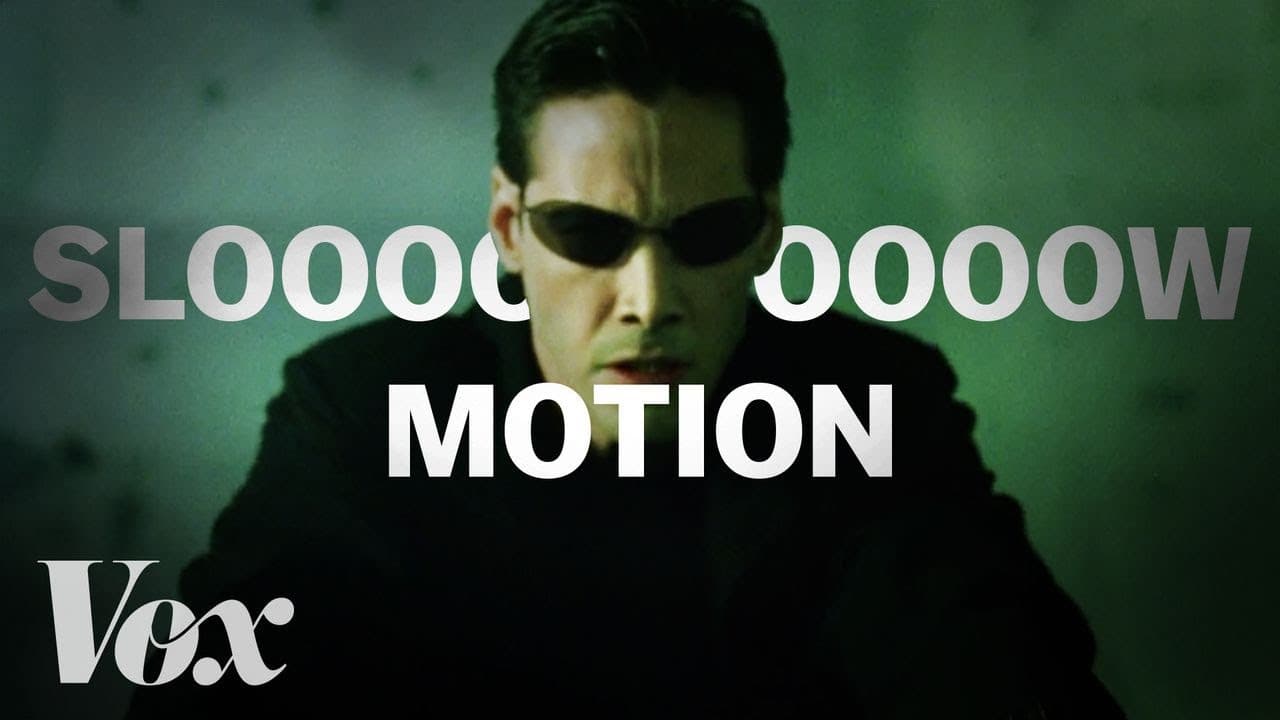
If you Google “best slo-mo scene ever,” you’ll find the Matrix “lobby scene” over and over again. It is actually a 3 minute 13 second tapestry of 74 apparently normal clips and just 35 slow motion ones. Yet this is what we remember. Slow motion animates sports, and sells iPhones, and is so powerful in movies it can make you forget everything else i... Read More
Key Insights
- Slow motion is a powerful tool in films, often overshadowing other elements in a scene, as demonstrated by iconic scenes like the Matrix lobby.
- The technique involves capturing more frames per second than the playback speed, requiring adjustments in lighting and shutter speed.
- Early film pioneers experimented with frame speeds to manipulate motion, laying the groundwork for modern slow motion techniques.
- The introduction of synchronized sound in films necessitated a standard frame rate of 24 frames per second, facilitating consistent playback speeds.
- Slow motion evolved from scientific and sports applications to become a staple in Hollywood, enhancing drama and narrative depth.
- Technological advancements have made slow motion more accessible, from high-speed cameras to smartphone capabilities, expanding its use in various media.
- Despite its widespread use, slow motion still presents technical challenges, such as the need for increased lighting and higher ISO settings.
- Slow motion has transcended its technical origins to become an artistic choice, offering filmmakers a way to explore time and emotion.
Install to Summarize YouTube Videos and Get Transcripts
Explore YouTube Video Summarizer or Get YouTube Transcript Extractor
Questions & Answers
Q: How does slow motion work in filmmaking?
Slow motion in filmmaking involves capturing more frames per second than the standard playback rate, typically 24 frames per second. This results in a longer playback time for the same action, creating a slowed-down effect. The technique requires adjustments in lighting and shutter speed to ensure the footage is properly exposed and maintains a cinematic quality.
Q: What historical developments led to the use of slow motion in films?
Slow motion's roots trace back to early photography experiments by pioneers like Étienne-Jules Marey and Eadweard Muybridge. In the silent film era, filmmakers manipulated frame speeds through overcranking and undercranking to control motion. The introduction of synchronized sound necessitated a standard frame rate, allowing for consistent playback and further experimentation with slow motion.
Q: What challenges are associated with filming in slow motion?
Filming in slow motion presents several challenges, primarily related to lighting and exposure. Since more frames are captured per second, the camera's shutter speed must be increased, reducing the amount of light hitting the sensor. This requires additional lighting or higher ISO settings to maintain proper exposure and avoid overly dark or noisy footage.
Q: How has slow motion evolved in modern filmmaking?
Slow motion has evolved from a technical challenge to an artistic tool in modern filmmaking. Technological advancements, such as high-speed cameras and digital editing, have made it more accessible and versatile. Filmmakers now use slow motion to enhance drama, explore emotions, and add visual interest, making it a staple in various genres and media.
Q: What role did synchronized sound play in the development of slow motion?
Synchronized sound played a crucial role in the development of slow motion by establishing a standard frame rate of 24 frames per second. This standardization ensured consistent playback speeds, allowing filmmakers to experiment with slow motion without disrupting the synchronization of audio and video. It paved the way for slow motion to become a reliable storytelling tool.
Q: How has technology impacted the use of slow motion in everyday media?
Technology has significantly impacted the use of slow motion, making it more accessible in everyday media. High-speed cameras and smartphones with slow-motion capabilities have democratized the technique, allowing amateur and professional creators alike to experiment with slow motion. This accessibility has broadened its application beyond traditional filmmaking to include social media and personal videos.
Q: What are some iconic uses of slow motion in film history?
Iconic uses of slow motion in film history include the Matrix lobby scene, which showcases the technique's ability to intensify action sequences. Other notable examples are the slow-motion sequences in Akira Kurosawa's Seven Samurai and the final shootout in Bonnie and Clyde. These scenes highlight slow motion's power to enhance drama and create memorable cinematic moments.
Q: What artistic possibilities does slow motion offer to filmmakers?
Slow motion offers filmmakers a range of artistic possibilities, allowing them to explore time, emotion, and movement in unique ways. It can enhance drama, emphasize details, and create a dreamlike or surreal atmosphere. By manipulating the perception of time, slow motion enables filmmakers to convey complex emotions and narratives, adding depth and visual interest to their work.
Summary & Key Takeaways
-
Slow motion is a cinematic technique that captures more frames per second than the playback speed, creating a slowed-down effect. This method requires careful adjustments in lighting and shutter speed to achieve the desired visual impact. It has become a key storytelling tool in films, enhancing drama and emotion.
-
Historically, slow motion emerged from early photography experiments and evolved through the silent film era. Filmmakers manipulated frame speeds to control motion, leading to the development of a standard frame rate with the advent of synchronized sound. This standardization allowed for consistent playback and further experimentation.
-
Today, slow motion is a versatile tool used across various media, from Hollywood blockbusters to smartphone videos. Technological advancements have made it more accessible, though challenges remain in achieving optimal lighting and detail. Its artistic potential continues to expand, offering new possibilities in visual storytelling.
Read in Other Languages (beta)
Share This Summary 📚
Summarize YouTube Videos and Get Video Transcripts with 1-Click
Try YouTube Summary with ChatGPT & Claude or YouTube Transcript Generator
Explore More Summaries from Vox 📚


![We produce 13 tons of hazardous waste every second [Advertiser content from MailChimp] thumbnail](/_next/image?url=https%3A%2F%2Fi.ytimg.com%2Fvi%2F07SS5hx3eZw%2Fhqdefault.jpg&w=750&q=75)


Summarize YouTube Videos and Get Video Transcripts with 1-Click
Try YouTube Summary with ChatGPT & Claude or YouTube Transcript Generator