The new US tax law, explained with cereal
TL;DR
The new tax law benefits the wealthy and increases future debt.
Transcript
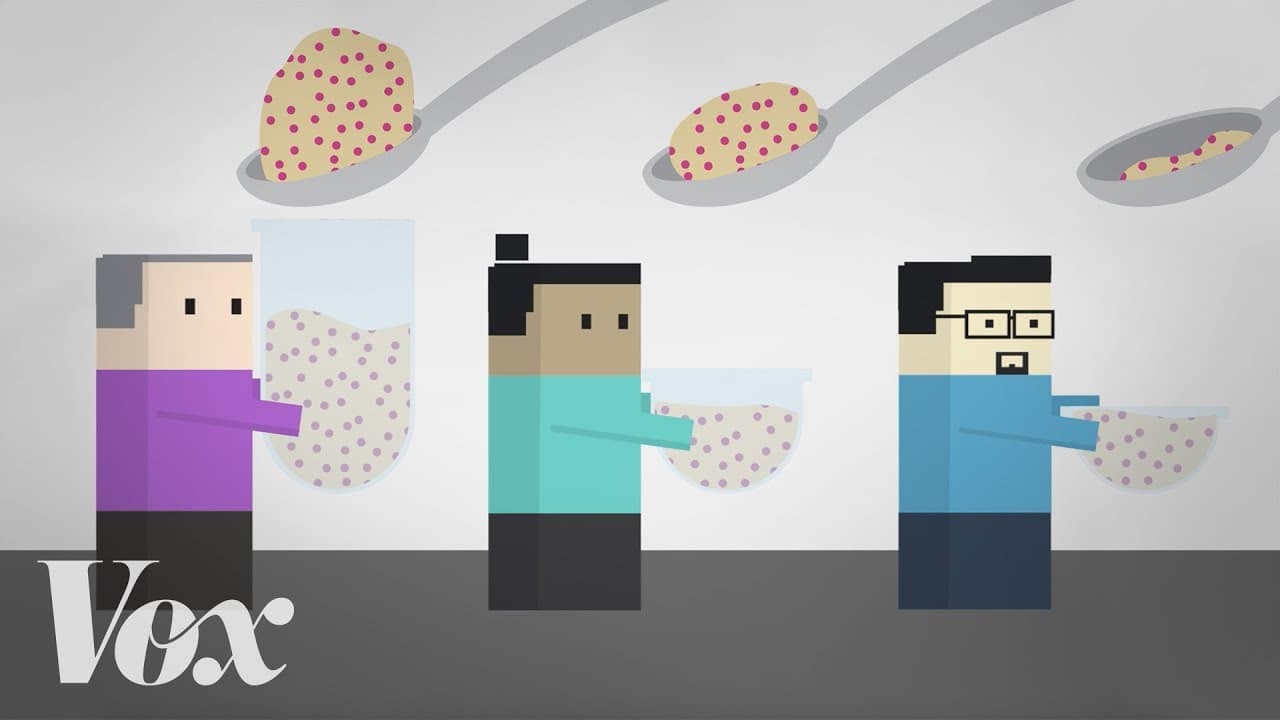
Ever since they won control of the government in 2016. Republicans have been obsessed with getting this one thing done. Tax reform. We're going to have a phenomenal tax reform. They've passed a bill, the President has signed it, so let's break down what's actually going to change. Imagine that instead of getting paid in dollars, you got paid in c... Read More
Key Insights
- The new US tax law, passed in 2016, was a major goal for Republicans, aiming to reform the tax code significantly.
- The law uses a cereal metaphor to explain how taxes are collected and spent by the government on essential services.
- Tax loopholes allow some income to remain untaxed, but the new law seeks to close some of these to increase taxable income.
- While the law reduces the portion of income taxed, it risks increasing national debt due to insufficient revenue.
- The tax cuts are not permanent for lower and middle-class Americans, leading to potential future tax increases for these groups.
- The wealthiest Americans benefit the most from the tax cuts, aligning with the Republican vision of a fairer tax code.
- The law passed without any Democratic support, highlighting partisan divisions in tax policy.
- Republicans believe the tax cuts will stimulate economic growth, increasing the overall taxable income in the future.
Install to Summarize YouTube Videos and Get Transcripts
Explore YouTube Video Summarizer or Get YouTube Transcript Extractor
Questions & Answers
Q: What was the primary goal of the new tax law?
The primary goal of the new tax law was to reform the tax code significantly. Republicans aimed to reduce the portion of income taxed while closing some loopholes to increase taxable income. This reform was intended to allow Americans to keep more of their income, aligning with the Republican vision of a fairer tax code.
Q: How does the new tax law affect different income groups?
The new tax law provides tax cuts for all income groups initially, but these cuts are not permanent for lower and middle-class Americans. Over time, these groups may face higher taxes, whereas the wealthiest Americans benefit the most from the tax cuts. This creates a disparity in how different income groups are affected by the law.
Q: What risks does the new tax law pose to the national economy?
The new tax law poses risks to the national economy by potentially increasing the national debt. While it reduces the portion of income taxed, the revenue generated may not be sufficient to cover government expenses. This could lead to increased borrowing and debt, requiring future tax increases to repay the debt.
Q: How does the cereal metaphor explain the tax system?
The cereal metaphor explains the tax system by equating income to cereal. The government collects a portion of this cereal as taxes to fund essential services. The metaphor illustrates how tax loopholes allow some cereal to remain untaxed and how the new law seeks to tax more of this income to maintain government revenue.
Q: What is the Republican vision of a fairer tax code?
The Republican vision of a fairer tax code involves reducing the tax burden on the wealthiest Americans while maintaining government revenue by closing loopholes and broadening the tax base. This approach aims to stimulate economic growth by allowing individuals to retain more of their income, particularly benefiting higher-income groups.
Q: Why did the new tax law pass without Democratic support?
The new tax law passed without Democratic support due to partisan divisions over tax policy. Democrats opposed the law, arguing that it disproportionately benefits the wealthy and risks increasing national debt. The lack of bipartisan support highlights ongoing disagreements about the best approach to tax reform and economic policy.
Q: What are the long-term implications of the tax cuts for lower and middle-class Americans?
The long-term implications for lower and middle-class Americans include potential future tax increases, as their tax cuts are not permanent. As the national debt increases, these groups may face higher taxes to repay the debt. This contrasts with wealthier Americans, who benefit more significantly from the permanent tax cuts.
Q: How do Republicans justify the potential increase in national debt?
Republicans justify the potential increase in national debt by arguing that the tax cuts will stimulate economic growth, increasing the overall taxable income in the future. They believe that this growth will eventually generate sufficient revenue to cover government expenses and reduce the debt, despite initial increases in borrowing.
Summary & Key Takeaways
-
The new US tax law, passed in 2016, aims to reform the tax code by reducing the portion of income taxed while closing some loopholes to increase taxable income. This approach is intended to allow Americans to keep more of their income, though it risks increasing national debt.
-
The law's metaphorical explanation using cereal illustrates how taxes are collected and spent on essential services. The tax cuts benefit wealthier Americans the most, while lower and middle-class Americans face potential future tax increases due to non-permanent cuts.
-
Passed without Democratic support, the law highlights partisan divisions. Republicans argue that the tax cuts will stimulate economic growth, increasing overall taxable income, but critics worry about the long-term fiscal implications, particularly the increase in national debt.
Read in Other Languages (beta)
Share This Summary 📚
Summarize YouTube Videos and Get Video Transcripts with 1-Click
Try YouTube Summary with ChatGPT & Claude or YouTube Transcript Generator
Explore More Summaries from Vox 📚



Summarize YouTube Videos and Get Video Transcripts with 1-Click
Try YouTube Summary with ChatGPT & Claude or YouTube Transcript Generator