How the US poisoned Navajo Nation
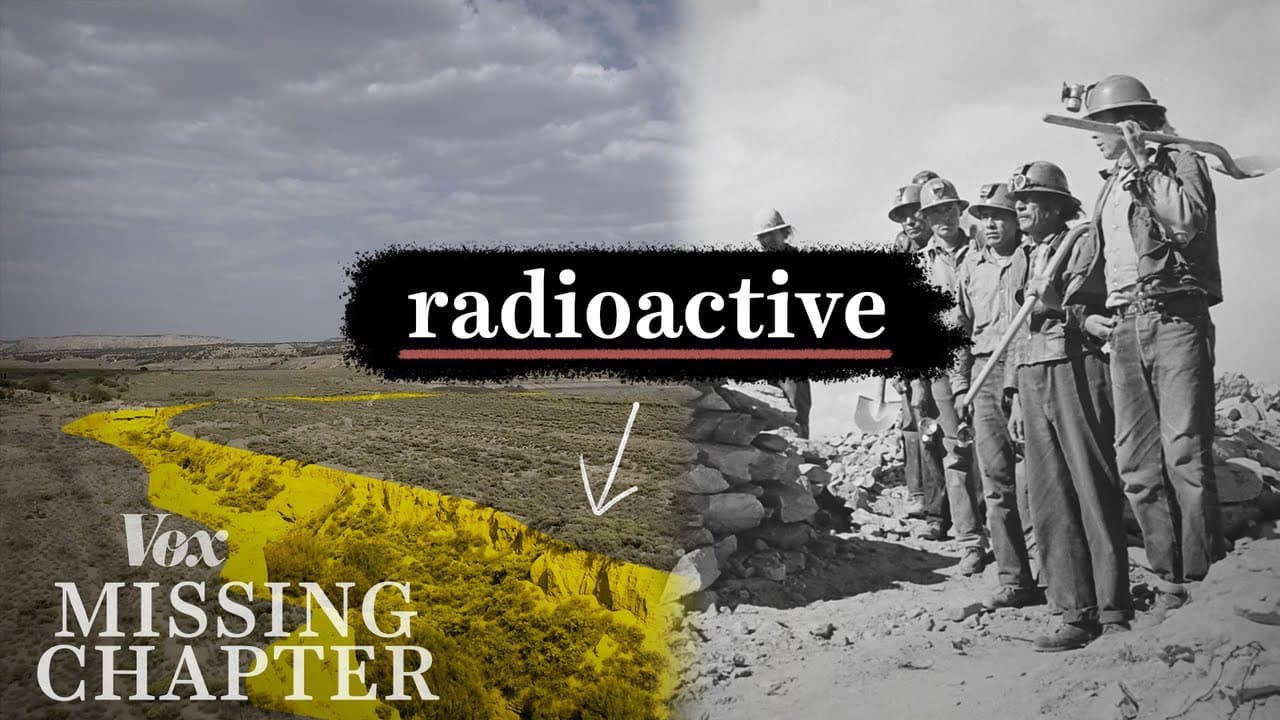
TL;DR
Uranium mining devastated Navajo Nation with pollution and health issues.
Transcript
It was peaceful. It was our home. And we used to have farming down here and up that way. And I used to play in that perennial stream. The sheep, the cows and the horses they all drank from there. Nobody told us not to. The Navajo tribe, I wonder if they had any idea what was going to happen here. For over forty years, this Navajo community in Churc... Read More
Key Insights
- The Navajo Nation was heavily impacted by uranium mining, which was incentivized by the US government during WWII and the Cold War for nuclear arms development.
- Mining operations left behind significant environmental damage, including contaminated water, soil, and air, affecting local residents' health and livelihoods.
- The Church Rock uranium spill in 1979 was the largest radioactive spill in US history, releasing massive amounts of radioactive waste into the environment.
- Despite severe contamination, the response from the government and mining companies was inadequate, with minimal cleanup efforts and poor compensation for affected residents.
- Studies have linked uranium mining in the Navajo Nation to increased rates of cancer, kidney disease, and birth defects among local populations.
- Many Navajo workers in the mines were not provided with adequate safety measures or informed about the health risks associated with uranium exposure.
- Efforts to clean up the contamination have been slow, with plans to remove radioactive waste expected to take several more years.
- Some residents have been offered relocation, but many refuse to leave due to their deep cultural and historical ties to the land.
Install to Summarize YouTube Videos and Get Transcripts
Explore YouTube Video Summarizer or Get YouTube Transcript Extractor
Questions & Answers
Q: What was the impact of uranium mining on the Navajo Nation?
Uranium mining in the Navajo Nation led to severe environmental contamination and health issues. The mining operations left behind toxic waste, polluted water sources, and increased rates of diseases such as cancer. The largest radioactive spill in US history occurred in this region, further exacerbating these problems.
Q: How did the Church Rock spill affect local residents?
The Church Rock spill released over a thousand tons of radioactive waste into the environment, contaminating local water sources and causing health problems for nearby residents. Many were not warned about the spill in time, leading to prolonged exposure to hazardous materials and a legacy of health issues.
Q: What was the response from the government and mining companies to the contamination?
The response from the government and mining companies was largely inadequate. Cleanup efforts were minimal, with only a small percentage of the radioactive waste being removed. Compensation for affected residents was poor, and many felt neglected compared to other nuclear incidents like Three Mile Island.
Q: What health issues have been linked to uranium mining in the Navajo Nation?
Studies have linked uranium mining in the Navajo Nation to higher rates of cancer, kidney disease, and birth defects. The contamination from mining operations and the Church Rock spill exposed residents to dangerous levels of radiation, leading to these serious health consequences.
Q: Why did the Navajo Nation initially allow uranium mining on their land?
The Navajo Nation allowed uranium mining as it was seen as an opportunity for economic growth and job creation. The US government incentivized mining to support nuclear arms development, and private companies leased land, often without fair compensation to the Navajo Nation.
Q: What safety measures were provided to Navajo workers in the mines?
Many Navajo workers were not provided with adequate safety measures. They often lacked proper protective gear and ventilation in the mines. There was also little awareness or warning about the health risks associated with uranium exposure, leading to significant health issues among workers.
Q: What are the current cleanup efforts for the Church Rock spill?
Current cleanup efforts for the Church Rock spill are ongoing but slow. The Environmental Protection Agency and the mining company have committed to a cleanup plan, but it is expected to take several more years. Meanwhile, no comprehensive plan has been presented for cleaning up the contaminated water.
Q: How have the residents of Red Water Pond Road responded to the situation?
Residents have been actively fighting for cleanup and justice. Some have formed organizations to advocate for their rights and conduct their own research. While some have accepted relocation offers, others refuse to leave due to their cultural ties to the land and continue to demand a resolution.
Summary & Key Takeaways
-
The Navajo Nation was drawn into the uranium mining industry by the US government during the mid-20th century, leading to significant environmental and health issues for local communities. The industry's legacy includes widespread contamination and the largest radioactive spill in US history.
-
The Church Rock spill in 1979 released massive amounts of radioactive waste, affecting local drinking water and causing long-term health problems for residents. Despite the severity, cleanup efforts have been slow, and many residents feel neglected by the government.
-
Navajo workers faced dangerous conditions in the mines, often without proper safety measures or awareness of the health risks. Today, the community continues to fight for cleanup and justice, while grappling with the lasting impacts of the industry's toxic legacy.
Read in Other Languages (beta)
Share This Summary 📚
Summarize YouTube Videos and Get Video Transcripts with 1-Click
Try YouTube Summary with ChatGPT & Claude or YouTube Transcript Generator
Explore More Summaries from Vox 📚




Summarize YouTube Videos and Get Video Transcripts with 1-Click
Try YouTube Summary with ChatGPT & Claude or YouTube Transcript Generator