Could This Psychedelic Root Solve The Opioid Crisis?
TL;DR
Ibogaine may offer a solution to opioid addiction.
Transcript
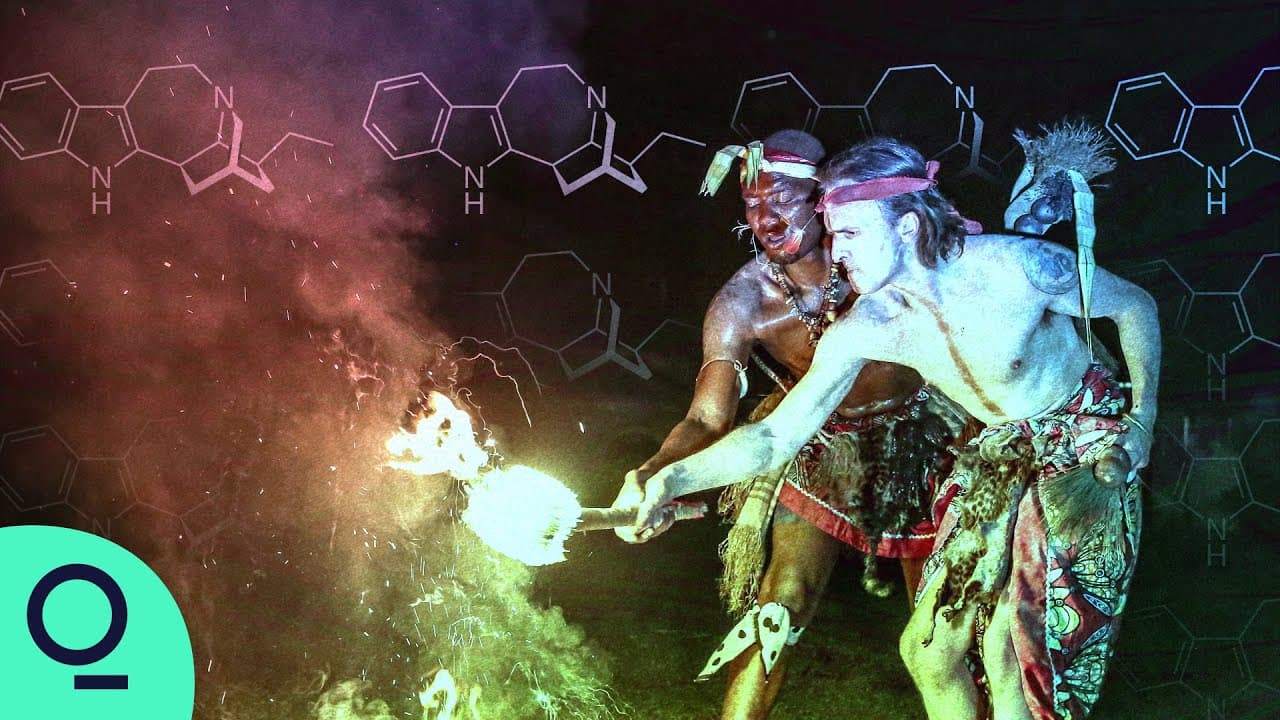
Bwiti is a spiritual practice that forest-dwelling tribes of West Africa have been observing for untold millennia. At the center of this practice is the iboga root, a plant indigenous to West Africa with powerful psychoactive effects, which can last for days. Initiates are believed to commune with the dead, and it is believed to heal many ailments.... Read More
Key Insights
- Iboga is a psychoactive plant used in West African spiritual practices, believed to heal various ailments and enable communication with the dead.
- Western interest in iboga has grown due to its potential to treat opioid addiction, which remains a significant crisis in the US.
- Biotech companies are developing ibogaine analogues to gain FDA approval and address the opioid epidemic, potentially disrupting the opioid market.
- Ibogaine's legal status and safety concerns, including cardiac risks, pose challenges to its mainstream adoption as a treatment option.
- Levi Barker, a former addict, runs an iboga healing center in Costa Rica, highlighting the plant's transformative potential in addiction recovery.
- Ibogaine's efficacy in treating various addictions remains largely anecdotal, lacking large-scale clinical trials necessary for FDA approval.
- Investors are optimistic about ibogaine's potential, seeking to challenge big pharma's hold on the $42 billion US addiction industry.
- The integration of modern medicine with traditional shamanistic practices raises questions about preserving the original intent of iboga use.
Install to Summarize YouTube Videos and Get Transcripts
Explore YouTube Video Summarizer or Get YouTube Transcript Extractor
Questions & Answers
Q: What is the significance of iboga in West African culture?
Iboga holds a central role in the Bwiti spiritual practice of West African tribes, where it is believed to facilitate communication with the dead and heal various ailments. Despite being considered witchcraft by some locals today, it remains an integral part of these communities' cultural heritage.
Q: How is ibogaine being used to address the opioid crisis?
Ibogaine is being explored as a potential treatment for opioid addiction due to its unique ability to halt withdrawal symptoms. Biotech companies are developing ibogaine analogues, aiming for FDA approval to offer a new solution to the opioid crisis, which claims thousands of lives annually in the US.
Q: What are the legal and safety challenges associated with ibogaine?
Ibogaine faces legal challenges as a Schedule I drug in the US, with concerns about its high toxicity and cardiac risks, including QT prolongation. While proponents argue for its safety in controlled settings, these issues remain significant hurdles to its widespread medical use.
Q: How does Levi Barker's experience highlight iboga's potential?
Levi Barker, a former opioid addict, credits iboga with his recovery. He now runs a healing center in Costa Rica, where he helps others overcome addiction using iboga. His story underscores the plant's transformative power and its potential as an alternative treatment for various addictions.
Q: What are the challenges in obtaining FDA approval for ibogaine?
Ibogaine's lack of large-scale clinical trials poses a major challenge for FDA approval. While anecdotal evidence suggests its efficacy in treating addiction, rigorous scientific studies are needed to demonstrate its safety and effectiveness to regulatory authorities.
Q: How might ibogaine disrupt the addiction treatment industry?
If proven safe and effective, ibogaine could significantly impact the $42 billion US addiction treatment industry by offering a new solution to opioid addiction. This potential disruption has attracted investor interest, challenging the profits of established pharmaceutical companies.
Q: What is the role of modern medicine in ibogaine's future?
Modern medicine aims to integrate ibogaine into mainstream addiction treatment by developing safer analogues and conducting clinical trials. This approach seeks to balance traditional shamanistic practices with scientific validation, ensuring ibogaine's efficacy and safety for widespread use.
Q: How does the psychedelic experience factor into ibogaine's effectiveness?
The psychedelic experience is believed to contribute to ibogaine's effectiveness in treating addiction, potentially through cognitive and neurobiological changes. However, research is needed to determine whether the hallucinogenic effects are essential or if non-psychoactive analogues could offer similar benefits.
Summary & Key Takeaways
-
Iboga, a plant used in West African rituals, is gaining attention for its potential to combat opioid addiction. Western interest has grown due to its purported ability to halt opioid withdrawal symptoms, leading to scientific exploration and biotech investment in ibogaine analogues.
-
Despite its potential, ibogaine faces hurdles such as legal restrictions and safety concerns, including cardiac risks. However, proponents argue that controlled settings and novel analogues could mitigate these risks, offering a new avenue for addiction treatment.
-
Levi Barker's Costa Rican healing center exemplifies iboga's transformative power, attracting clients seeking relief from various addictions. Yet, the lack of large-scale clinical trials remains a barrier to FDA approval, leaving ibogaine's future uncertain.
Read in Other Languages (beta)
Share This Summary 📚
Summarize YouTube Videos and Get Video Transcripts with 1-Click
Try YouTube Summary with ChatGPT & Claude or YouTube Transcript Generator
Explore More Summaries from Bloomberg Originals 📚



Summarize YouTube Videos and Get Video Transcripts with 1-Click
Try YouTube Summary with ChatGPT & Claude or YouTube Transcript Generator