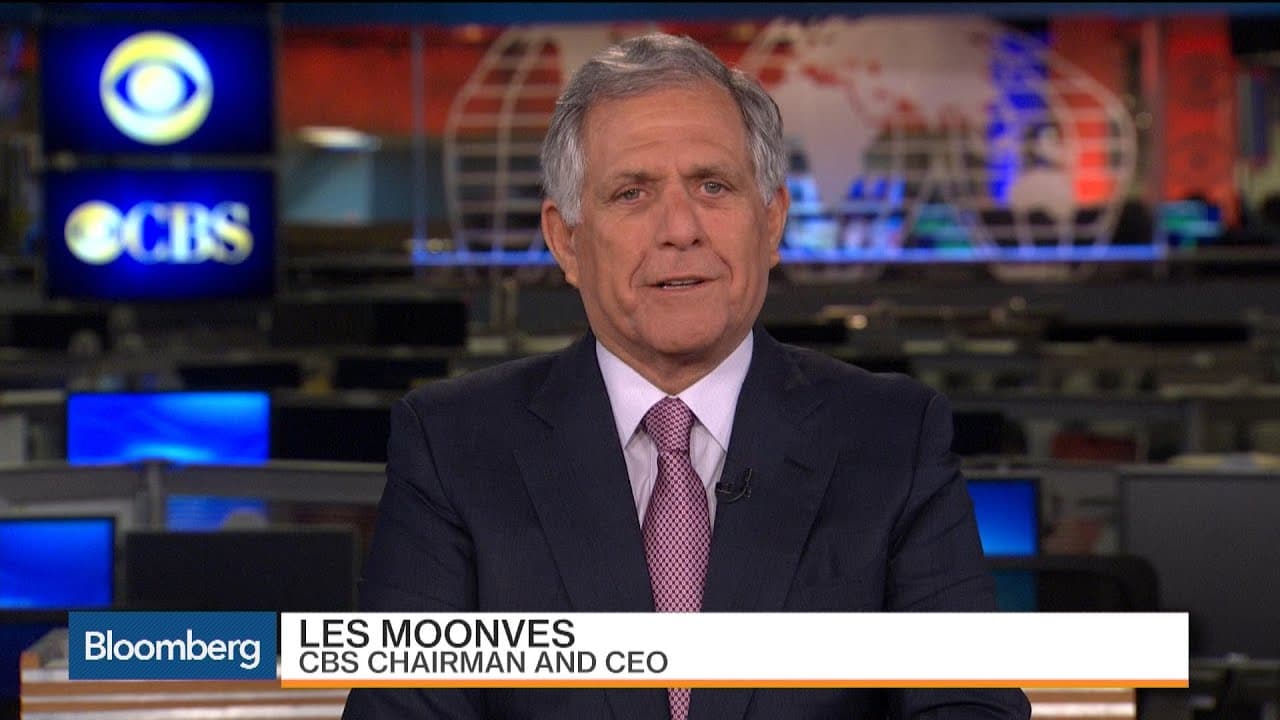
CBS CEO: The Best Ad Buy Is Broadcast With Digital
TL;DR
Broadcast TV advertising sees a resurgence alongside digital growth.
Transcript
You had quite an advertising quarter here, 12% up, even taking out the Super Bowl and Grammys. Uh we've seen advertising markets cycle up and down. Uh is this merely a cycle or do you think there's more something more fundamental going on? Well, I I think there are a lot of things that are going on. Number one, uh you know, a lot of money that that... Read More
Key Insights
- Broadcast television advertising is experiencing a resurgence, with a notable 12% growth even excluding major events like the Super Bowl and Grammys.
- CBS is witnessing a shift back to network television as advertisers recognize the limitations of digital platforms, such as false viewership metrics.
- Digital giants like Facebook and Google continue to thrive, but CBS believes the best strategy combines both broadcast and digital advertising.
- CBS's digital assets, including CBS All Access, CBSN, and Showtime OTT, are performing well, exceeding projections and showing promising growth potential.
- The addition of popular content like Star Trek to CBS All Access is expected to further boost subscriber numbers and revenue.
- CBS is exploring different revenue streams, including retransmission consent fees, which are anticipated to grow significantly by 2020.
- The company is open to distributing its content through various models, including traditional cable bundles and more selective skinny bundles.
- CBS is considering strategic options for its radio division, including a potential spin-off or partnership, to align with its focus on video content.
Install to Summarize YouTube Videos and Get Transcripts
Explore YouTube Video Summarizer or Get YouTube Transcript Extractor
Questions & Answers
Q: What is contributing to the resurgence of broadcast television advertising?
The resurgence in broadcast television advertising is primarily due to advertisers recognizing the limitations of digital platforms, such as false viewership metrics. As a result, there is a shift back to network television, which is perceived as offering a better return on investment. This trend is supported by notable events like the Super Bowl and Grammys, but the underlying growth is significant even without these events.
Q: How are CBS's digital platforms performing?
CBS's digital platforms, including CBS All Access, CBSN, and Showtime OTT, are performing exceptionally well, exceeding initial projections. These platforms have shown promising growth potential, with CBS All Access set to gain further traction with the addition of popular content like Star Trek. The success of these platforms indicates a strong digital strategy that complements CBS's traditional broadcast offerings.
Q: What are CBS's plans for its radio division?
CBS is considering strategic options for its radio division, including a potential spin-off to shareholders or a strategic partnership. The company believes that while the radio business remains viable, it does not align with CBS's current focus on video content. Regardless of the chosen path, CBS aims to maximize shareholder value through any transaction involving its radio assets.
Q: How is CBS adapting to changes in content distribution preferences?
CBS is adapting to changes in content distribution preferences by offering flexible models, such as traditional cable bundles and more selective skinny bundles. The company is willing to distribute its content through any model as long as it receives appropriate compensation. This approach reflects CBS's commitment to meeting consumer demands while maintaining revenue growth.
Q: What are CBS's expectations for retransmission consent fees?
CBS expects retransmission consent fees to grow significantly, projecting $2.5 billion in fees by 2020. This growth is driven by increased demand for CBS content and the company's strategy to monetize its distribution across various platforms. Retransmission consent fees are becoming an important revenue stream for CBS, complementing its advertising and digital revenues.
Q: How has Les Moonves's role changed with his new position as chairman?
Les Moonves's role as chairman involves additional responsibilities, such as overseeing the board of directors and addressing issues that arise before the board. Despite these new duties, his day-to-day life has not changed significantly, as he continues to focus on content, investor relations, and corporate responsibilities. The transition has been smooth, with Moonves maintaining his leadership role at CBS.
Q: Is CBS considering any acquisitions to expand its content offerings?
CBS is open to expanding its content offerings but is focused on finding the right fit. The company did not pursue DreamWorks Animation, as it was not considered a suitable match for CBS's primarily television-oriented business. CBS remains interested in strategic acquisitions that align with its content strategy and enhance its existing portfolio.
Q: How does CBS view the relationship between broadcast and digital advertising?
CBS views the relationship between broadcast and digital advertising as complementary, with the best strategy combining both. While digital giants like Facebook and Google continue to perform well, CBS believes that broadcast offers a more reliable and effective advertising platform. This dual approach allows CBS to leverage the strengths of both mediums to maximize advertising revenue.
Summary & Key Takeaways
-
CBS is experiencing significant growth in broadcast television advertising, driven by a return of advertisers seeking more reliable metrics compared to digital platforms. Major events like the Super Bowl and Grammys contributed to this growth, but underlying trends indicate a broader shift back to network television.
-
CBS's digital platforms, including CBS All Access, CBSN, and Showtime OTT, are performing above expectations, with plans to enhance offerings through new content like Star Trek. These platforms are becoming increasingly material to CBS's revenue, reflecting a successful digital strategy.
-
CBS is exploring strategic options for its radio division, potentially spinning it off to focus on video content. The company is also leveraging retransmission consent fees and adapting to changing consumer preferences with flexible content distribution models, such as skinny bundles.
Read in Other Languages (beta)
Share This Summary 📚
Summarize YouTube Videos and Get Video Transcripts with 1-Click
Try YouTube Summary with ChatGPT & Claude or YouTube Transcript Generator
Explore More Summaries from Bloomberg Originals 📚






Summarize YouTube Videos and Get Video Transcripts with 1-Click
Try YouTube Summary with ChatGPT & Claude or YouTube Transcript Generator