Berlin is Becoming a Sponge City
TL;DR
Berlin adopts Sponge City strategy to manage heat and flooding.
Transcript
Cities are concrete, glass and steel - they look and act un-naturally - absorbing heat and repelling water. Our urban spaces are at odds with the natural environment. But, in parts of the German capital things are different. To deal with rainwater and heat, Berlin is being transformed into what’s called a Sponge City Carlo Becker is the architect o... Read More
Key Insights
- Berlin is transforming into a Sponge City to address urban heat and flooding by mimicking natural ecosystems. This strategy involves using green infrastructure to manage rainwater and reduce temperatures.
- The Sponge City concept involves green roofs and facades, urban wetlands, and swales to retain rainwater and promote evaporation, which naturally cools the environment.
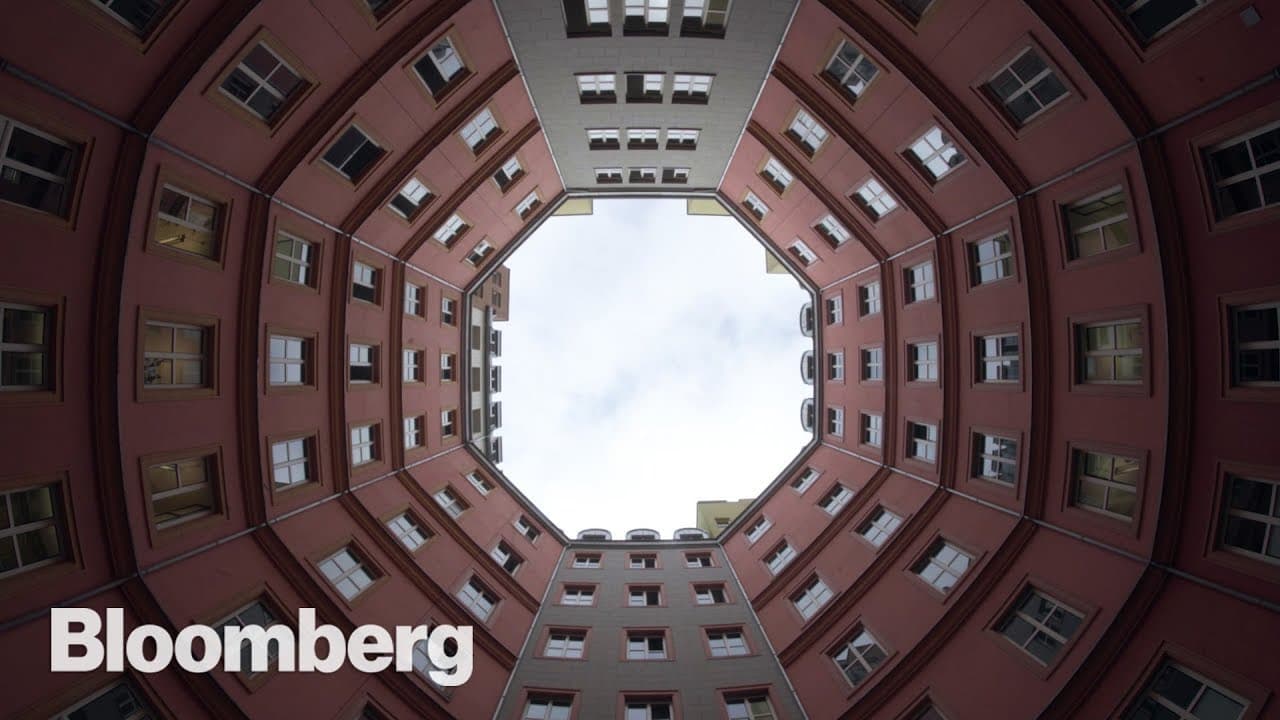
- Rummelsburg, a neighborhood in East Berlin, serves as a large-scale example of the Sponge City concept, featuring extensive green roofs and a soil layer above an underground garage to manage stormwater.
- The absence of a conventional storm sewer system in Rummelsburg allows rainwater to flow into swales and infiltrate the ground, contributing to cooler temperatures in the area.
- The Sponge City strategy is a response to climate change, aiming to transform urban environments to work with nature rather than against it, enhancing resilience against extreme weather events.
- Berlin's city council mandates that all new developments manage stormwater on-site, reflecting the principles of the Sponge City approach to urban planning.
- Despite the progress, Berlin is not yet a perfect Sponge City, as demonstrated by severe flooding during the summer of 2017, highlighting the need for further improvements.
- The Sponge City initiative is part of a global movement where cities adapt their infrastructure to mitigate the impacts of climate change, emphasizing sustainable urban development.
Install to Summarize YouTube Videos and Get Transcripts
Explore YouTube Video Summarizer or Get YouTube Transcript Extractor
Questions & Answers
Q: What is the main goal of Berlin's Sponge City strategy?
The main goal of Berlin's Sponge City strategy is to address urban heat and flooding by mimicking natural ecosystems. This involves using green infrastructure such as green roofs, urban wetlands, and swales to retain rainwater and promote evaporation, which helps to manage stormwater and reduce temperatures in the city.
Q: How does Rummelsburg exemplify the Sponge City concept?
Rummelsburg, a neighborhood in East Berlin, exemplifies the Sponge City concept through its extensive use of green infrastructure. It features green roofs and a thick soil layer above an underground garage to manage stormwater. The absence of a conventional storm sewer system allows rainwater to flow into swales and infiltrate the ground, naturally cooling the area.
Q: What challenges does Berlin face in becoming a perfect Sponge City?
Despite progress, Berlin faces challenges in becoming a perfect Sponge City, as evidenced by severe flooding during the summer of 2017. This event highlighted the limitations of the current infrastructure and the need for further improvements to effectively manage extreme weather events and enhance the city's resilience against climate change impacts.
Q: How does the Sponge City strategy contribute to climate change adaptation?
The Sponge City strategy contributes to climate change adaptation by transforming urban environments to work with nature rather than against it. By integrating green infrastructure that manages rainwater and reduces heat, cities like Berlin can mitigate the impacts of extreme weather events, enhancing resilience and promoting sustainable urban development.
Q: What role does green infrastructure play in the Sponge City strategy?
Green infrastructure is central to the Sponge City strategy, playing a crucial role in managing rainwater and reducing urban heat. It includes elements like green roofs, urban wetlands, and swales that retain rainwater and promote evaporation, mimicking natural ecosystems to cool the environment and prevent flooding.
Q: What are swales, and how do they function in the Sponge City concept?
Swales are shallow, vegetated channels designed to manage rainwater runoff in the Sponge City concept. They function by allowing water to flow from road surfaces into these channels, where it can infiltrate the ground. This process helps to manage stormwater naturally, reducing the need for conventional drainage systems and contributing to cooling the urban environment.
Q: How does the Sponge City initiative reflect a global trend in urban planning?
The Sponge City initiative reflects a global trend in urban planning where cities adapt their infrastructure to mitigate climate change impacts. By integrating nature into urban environments, cities aim to enhance resilience against extreme weather events, reduce urban heat, and manage stormwater sustainably, promoting long-term environmental and social benefits.
Q: What measures has Berlin's city council taken to support the Sponge City approach?
Berlin's city council supports the Sponge City approach by mandating that all new developments manage stormwater on-site. This requirement reflects the principles of the Sponge City strategy, encouraging developers to incorporate green infrastructure that retains rainwater and reduces heat, aligning with the city's broader goals of sustainable urban development and climate change adaptation.
Summary & Key Takeaways
-
Berlin is implementing the Sponge City strategy to manage rainwater and reduce urban heat by mimicking natural ecosystems. This involves using green roofs, urban wetlands, and swales to retain water, promoting evaporation and cooling.
-
Rummelsburg, an East Berlin neighborhood, exemplifies the Sponge City concept with green infrastructure replacing conventional storm sewers. This approach not only manages stormwater effectively but also provides natural cooling.
-
The Sponge City initiative reflects a broader global trend of cities adapting to climate change by integrating nature into urban environments. Berlin's ongoing efforts highlight both successes and the need for further improvements.
Read in Other Languages (beta)
Share This Summary 📚
Summarize YouTube Videos and Get Video Transcripts with 1-Click
Try YouTube Summary with ChatGPT & Claude or YouTube Transcript Generator
Explore More Summaries from Bloomberg Originals 📚




Summarize YouTube Videos and Get Video Transcripts with 1-Click
Try YouTube Summary with ChatGPT & Claude or YouTube Transcript Generator