Hyundai Lowers Drawbridge for Silicon Valley Partnerships
TL;DR
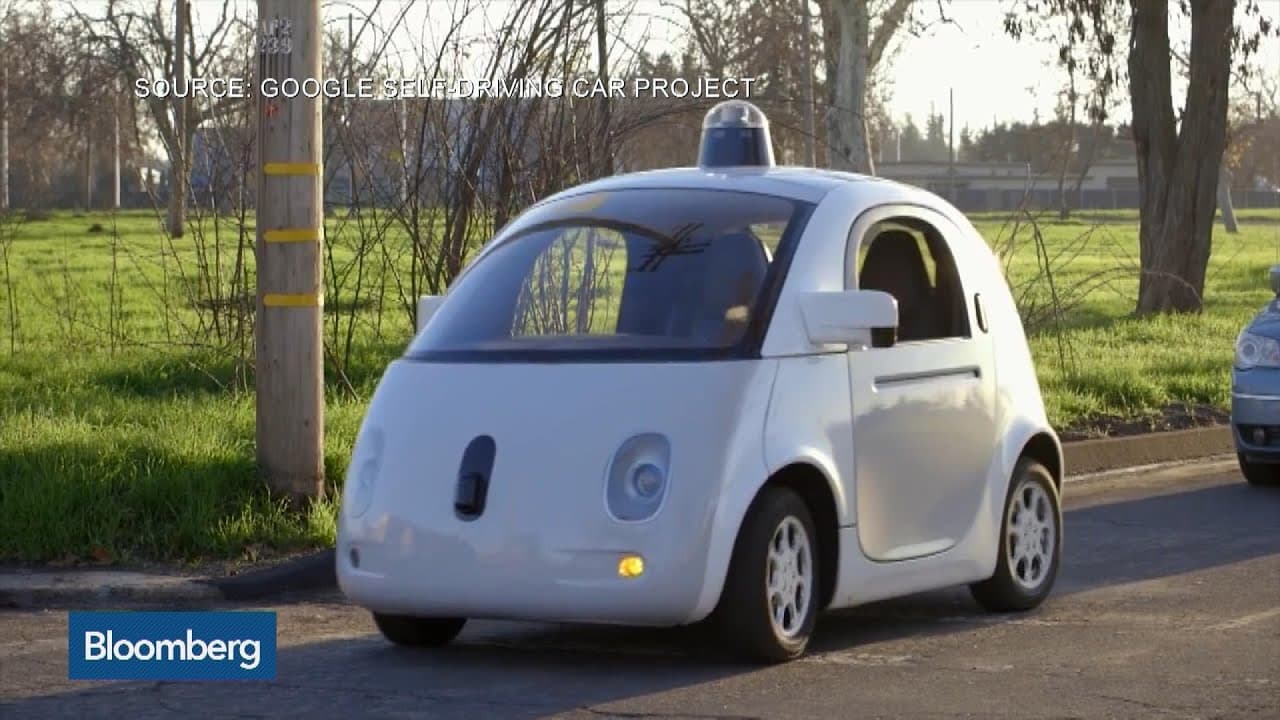
Hyundai seeks tech partnerships to innovate in autonomous and connected cars.
Transcript
You know, we've been talking about these uh different kind of partnerships we've seen, but Hyundai definitely being the standalone here uh given the size of its conglomerate and trying to get into uh opening up the tech industry into the sector. How big of an opportunity do you see this and do you really do see other car makers following suit? I th... Read More
Key Insights
- Hyundai is pioneering in forming partnerships with Silicon Valley tech companies to integrate advanced technology into their vehicles, marking a significant shift in the automotive industry.
- The convergence of automotive and mobile technology is driving car manufacturers to seek collaborations with tech companies to stay competitive in the autonomous and connected car markets.
- The disruption caused by self-driving technology presents opportunities and challenges, with tech companies potentially gaining influence in the automotive sector.
- Despite concerns, the structural differences between tech and car companies suggest that tech firms are unlikely to take over established automakers.
- There is a global demand for automotive technology, with innovations typically starting in premium segments before reaching the mass market.
- Asian automakers are not at a disadvantage due to geography; rather, their challenges may lie in adapting to new technological thinking and processes.
- Silicon Valley remains a hub for automotive technology development, but global players like Toyota have equal access to these innovations.
- The automotive industry's evolution towards technology integration is inevitable, with all regions eventually adopting similar technological advancements.
Install to Summarize YouTube Videos and Get Transcripts
Explore YouTube Video Summarizer or Get YouTube Transcript Extractor
Questions & Answers
Q: What is Hyundai's strategy in partnering with Silicon Valley tech companies?
Hyundai is actively seeking partnerships with Silicon Valley tech companies to integrate advanced technologies into their vehicles. This strategy aims to position Hyundai at the forefront of the autonomous and connected car markets, leveraging the expertise of tech firms to enhance their automotive offerings and remain competitive in a rapidly evolving industry.
Q: How is the convergence of automotive and mobile technology impacting car manufacturers?
The convergence of automotive and mobile technology is driving car manufacturers to form strategic alliances with tech companies. This shift is crucial for developing autonomous and connected cars, as traditional automakers often lack the expertise in mobile technology. These partnerships allow car manufacturers to access new innovations and stay relevant in the changing landscape.
Q: What are the potential challenges of self-driving technology for traditional automakers?
Self-driving technology presents significant challenges for traditional automakers, including the need to adapt to new technological paradigms and the risk of tech companies gaining influence in the industry. Automakers must balance maintaining their core competencies with embracing technological advancements to avoid being overshadowed by tech firms entering the automotive space.
Q: Why are tech companies unlikely to take over established automakers?
Tech companies are unlikely to take over established automakers due to fundamental differences in their business structures, profit models, and operational strategies. While tech firms may gain influence through partnerships, the unique expertise and infrastructure of car manufacturers are essential for producing vehicles, making a complete takeover improbable.
Q: Is there a global demand for automotive technology, and how does it spread?
Yes, there is a global demand for automotive technology. Innovations typically emerge in premium vehicle segments and gradually become accessible to the mass market as they become more affordable. This process ensures that technological advancements eventually reach a wide audience, regardless of regional differences in initial adoption rates.
Q: Do Asian automakers face disadvantages in accessing Silicon Valley technology?
Asian automakers do not face significant disadvantages in accessing Silicon Valley technology due to geographical location. While there may be differences in technological thinking and processes, global players like Toyota have equal access to Silicon Valley advancements, allowing them to compete effectively in the automotive technology space.
Q: What role does Silicon Valley play in automotive technology development?
Silicon Valley plays a crucial role in automotive technology development, serving as a hub for innovation and collaboration between tech companies and automakers. The region's expertise in mobile and digital technologies makes it an attractive partner for car manufacturers seeking to integrate advanced features into their vehicles, driving the industry's evolution.
Q: How will the automotive industry's technological evolution impact regional markets?
The automotive industry's technological evolution will lead to a more uniform adoption of advanced features across regional markets. While initial innovations may vary by region, globalization and the spread of technology will ensure that all markets eventually benefit from similar advancements, fostering a more connected and technologically advanced automotive landscape worldwide.
Summary & Key Takeaways
-
Hyundai is leading the charge in forming partnerships with Silicon Valley tech companies to integrate cutting-edge technology into their vehicles. This move highlights a broader trend of convergence between automotive and mobile technology, with car manufacturers seeking collaborations to remain competitive in the autonomous and connected car markets.
-
The rise of self-driving technology is a major disruption in the automotive industry, presenting both opportunities and challenges. While tech companies may gain influence, the structural differences between them and traditional car manufacturers suggest that a complete takeover is unlikely.
-
Global demand for automotive technology is strong, with innovations typically starting in premium segments before becoming more widely available. Asian automakers face challenges in adapting to new technological thinking, but geographic location is not a significant disadvantage in accessing Silicon Valley's advancements.
Read in Other Languages (beta)
Share This Summary 📚
Summarize YouTube Videos and Get Video Transcripts with 1-Click
Try YouTube Summary with ChatGPT & Claude or YouTube Transcript Generator
Explore More Summaries from Bloomberg Originals 📚






Summarize YouTube Videos and Get Video Transcripts with 1-Click
Try YouTube Summary with ChatGPT & Claude or YouTube Transcript Generator