How The Cold War Gave Us Google Maps
TL;DR
GPS was developed for military use during the Cold War.
Transcript
It's one of the most important technologies of the 20th century. If it failed tomorrow, banks would crash, planes would get lost and you'd probably struggle to find your way around the city It's called GPS and it was designed to defeat the Soviet Union. This is how a Cold War technology went from guiding bombs to guiding your Uber. GPS is a network... Read More
Key Insights
- GPS, a pivotal 20th-century technology, was initially developed by the U.S. military to enhance precision in locating and targeting during the Cold War, specifically to counter the Soviet Union.
- The concept of GPS originated from the Doppler Effect observed in the radio signals of Sputnik, the first satellite launched by the Soviet Union, leading to the understanding that satellite positioning could determine locations on Earth.
- The U.S. launched its first Navstar satellite in 1978, forming the basis of the modern GPS system, which provides continuous and highly accurate global positioning services.
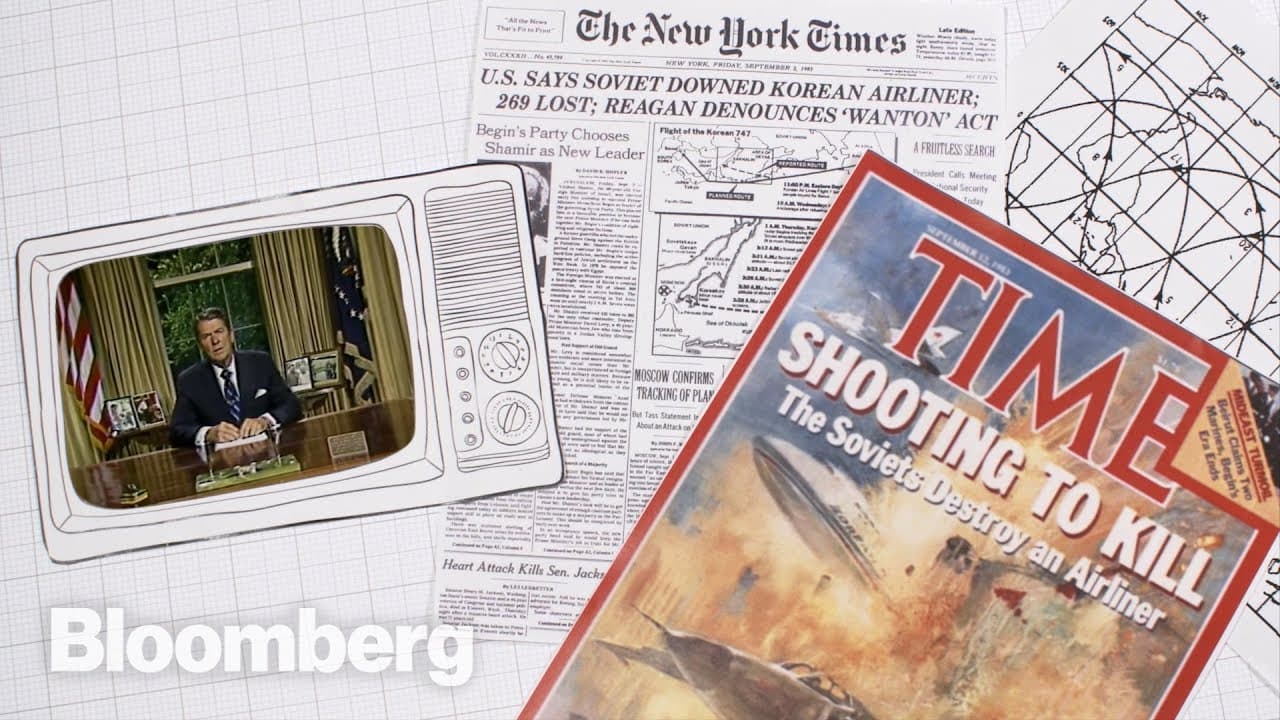
- A tragic incident in 1983, where a Korean airliner was shot down after veering into Soviet airspace, prompted President Reagan to make GPS available for civilian use, though initially with restricted accuracy.
- GPS saw its first significant military application during the Gulf War in 1990, proving invaluable for navigation and targeting, which spurred further development and civilian adoption post-conflict.
- In 2000, the U.S. government lifted restrictions on GPS accuracy, vastly expanding its civilian applications, from navigation apps to critical infrastructure like banking and transportation.
- Today, GPS is integral to everyday life, with its civilian market value projected to grow significantly, overshadowing its military origins and applications.
- The precision of GPS is maintained by atomic clocks within the satellites, crucial for various sectors, including finance and agriculture, demonstrating its broad impact beyond navigation.
Install to Summarize YouTube Videos and Get Transcripts
Explore YouTube Video Summarizer or Get YouTube Transcript Extractor
Questions & Answers
Q: How did the Cold War influence the development of GPS?
The Cold War significantly influenced the development of GPS as it was initially designed for military use to counter the Soviet Union. The U.S. military sought a reliable system to enhance precision in locating and targeting, which led to the creation of GPS. The technology's origins can be traced back to the Space Race, specifically the launch of Sputnik by the Soviet Union, which spurred American scientists to develop a satellite-based positioning system.
Q: What was the role of Sputnik in the development of GPS?
Sputnik played a crucial role in the development of GPS. When the Soviet Union launched Sputnik, American scientists observed the Doppler Effect in its radio signals, which varied as the satellite moved. This observation led to the realization that satellite positioning could be used to determine locations on Earth, forming the foundational concept of GPS. This insight was a pivotal moment that drove the development of satellite-based navigation technology.
Q: How did the Korean airliner incident impact GPS availability?
The Korean airliner incident in 1983 had a significant impact on GPS availability. After a Korean Airlines flight was shot down by a Russian fighter jet for straying into Soviet airspace, President Reagan decided to make GPS available for civilian use to prevent such tragedies in the future. However, initially, the accuracy of GPS for civilian use was intentionally limited by the U.S. military to protect sensitive technology, a restriction that was lifted in 2000.
Q: What was GPS's first major military application?
GPS's first major military application occurred during the Gulf War in 1990. It played a critical role in Operation Desert Storm, allowing U.S. and allied forces to navigate the challenging desert terrain and direct fire with unprecedented accuracy. The successful use of GPS in this conflict demonstrated its military value and spurred further development and eventual widespread civilian adoption of the technology.
Q: How did the lifting of accuracy restrictions in 2000 affect GPS usage?
The lifting of accuracy restrictions on GPS in 2000 had a transformative effect on its usage. By allowing civilian GPS receivers to access the same level of accuracy as military ones, it opened the door to a vast array of applications, from personal navigation devices and smartphone apps to critical infrastructure like banking systems and public transportation. This change significantly expanded the civilian market for GPS, making it a ubiquitous part of modern life.
Q: What are the key components of the GPS system?
The GPS system comprises a network of at least 24 satellites, each equipped with atomic clocks that provide precise time and location data. These satellites constantly transmit signals that GPS receivers on Earth use to determine their exact position, altitude, and movement. By triangulating signals from multiple satellites, a GPS receiver can calculate a user's location with high accuracy, which is essential for both military and civilian applications.
Q: How does GPS contribute to modern infrastructure?
GPS contributes significantly to modern infrastructure by providing precise timing and location data essential for various sectors. In finance, GPS timestamps transactions, ensuring accuracy in banking operations. In transportation, it helps keep trains running on schedule and assists in navigation for vehicles. GPS also aids in reducing agricultural wastage by enabling precision farming techniques, highlighting its diverse applications beyond traditional navigation.
Q: What is the economic impact of the civilian GPS market?
The economic impact of the civilian GPS market is substantial, with its value projected to grow significantly. As of the content provided, the civilian satellite navigation market is worth nearly thirty-five billion dollars and is expected to surpass eighty-three billion dollars by 2022. This growth reflects the widespread adoption of GPS technology across various industries, from consumer electronics to critical infrastructure, underscoring its importance in the global economy.
Summary & Key Takeaways
-
GPS technology, originally developed by the U.S. military during the Cold War, has become an indispensable part of modern life. It was initially intended for military precision in targeting but now serves billions of civilian users worldwide, facilitating everything from navigation to time-sensitive financial transactions.
-
The development of GPS was catalyzed by the Space Race and the launch of Sputnik by the Soviet Union. American scientists leveraged the Doppler Effect observed in Sputnik’s signals to conceptualize satellite-based positioning, leading to the creation of the Navstar satellite network.
-
Civilian access to GPS was accelerated by a tragic incident in 1983, and its capabilities were fully realized during the Gulf War. The lifting of accuracy restrictions in 2000 opened the floodgates for widespread civilian applications, transforming GPS into a multibillion-dollar industry with far-reaching implications.
Read in Other Languages (beta)
Share This Summary 📚
Summarize YouTube Videos and Get Video Transcripts with 1-Click
Try YouTube Summary with ChatGPT & Claude or YouTube Transcript Generator
Explore More Summaries from Bloomberg Originals 📚






Summarize YouTube Videos and Get Video Transcripts with 1-Click
Try YouTube Summary with ChatGPT & Claude or YouTube Transcript Generator