Why Calcium Chloride Is Fueling a Cocaine War
TL;DR
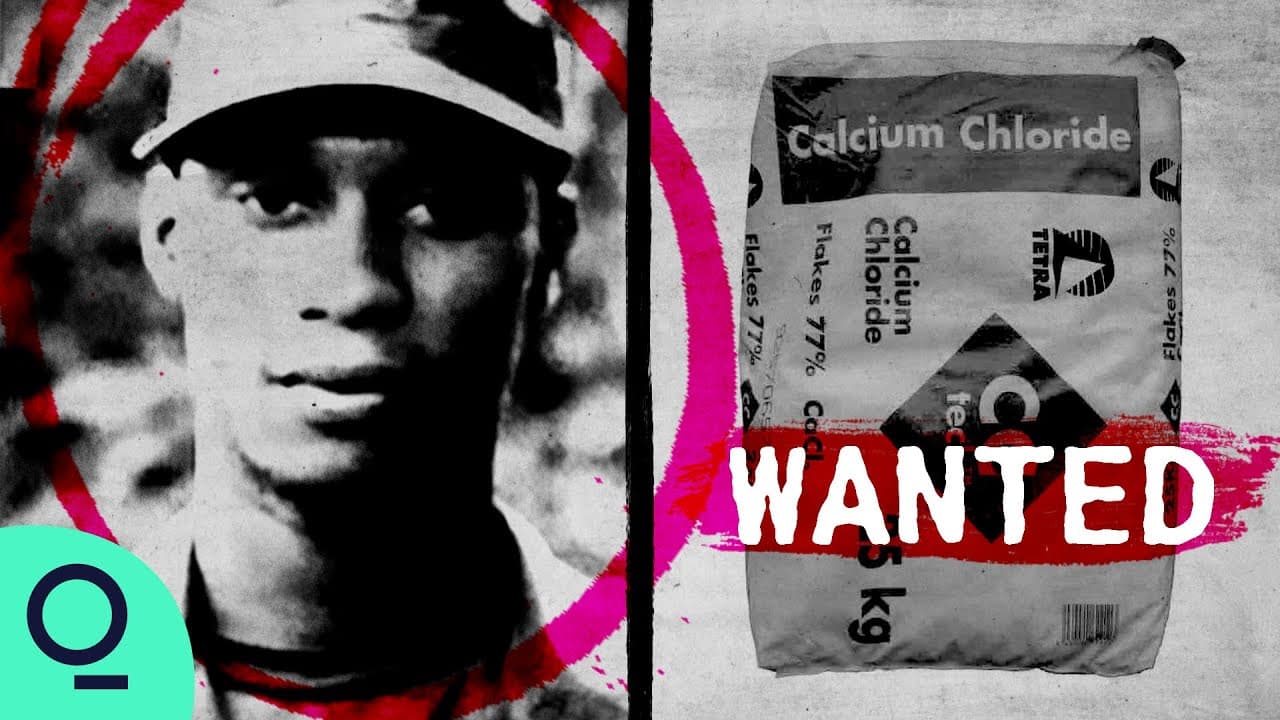
Calcium chloride is crucial in cocaine production, fueling a drug war.
Transcript
It's really a circular pattern. You have legitimate chemicals made by American chemical companies making their way illegally into the supply chains that lead to illegal laboratories. In Colombia they produce cocaine, in Mexico they produce heroin or meth. And these narcotics make their way back, in a circular motion, all the way back to the United ... Read More
Key Insights
- American chemical companies produce chemicals like calcium chloride that end up in illegal drug production in Latin America, leading to a circular trade benefiting cartels.
- A small police unit in Ecuador, funded by the U.S., discovered a massive influx of chemicals like calcium chloride, crucial for cocaine production, being trafficked through the country.
- Calcium chloride, commonly used for legitimate purposes, is crucial for cartel chemists to recycle solvents needed for cocaine production, bypassing drug laws.
- Despite efforts by Ecuadorian and Colombian police to seize calcium chloride, large volumes still reach clandestine cocaine labs, indicating the scale of the trafficking network.
- Tetra Technologies, a U.S. company, produces calcium chloride in Finland, which is then shipped to Peru and smuggled into Colombia, exemplifying the legal loopholes exploited by drug syndicates.
- Ecuador's strategic location between major coca-producing regions and export routes makes it a hotspot for drug-related violence, with cartels fiercely protecting their trade.
- Walter Arizala, known as El Guacho, rose to power in the cocaine trade, leveraging his military skills and connections with FARC to dominate the region's drug operations.
- Despite the death of Arizala, the cocaine trade persists, with new leaders taking over, highlighting the resilience and adaptability of drug cartels.
Install to Summarize YouTube Videos and Get Transcripts
Explore YouTube Video Summarizer or Get YouTube Transcript Extractor
Questions & Answers
Q: How do American chemical companies contribute to drug production in Latin America?
American chemical companies produce chemicals like calcium chloride, which, although legal and used for various legitimate purposes, are crucial for cocaine production. Cartels exploit these chemicals to recycle solvents needed for cocaine extraction, bypassing international drug laws. This creates a circular trade benefiting cartels, despite efforts to curb it.
Q: What role does calcium chloride play in cocaine production?
Calcium chloride is used by cartel chemists to recover and recycle heavily regulated solvents necessary for extracting cocaine from coca plants. This allows them to reuse critical chemicals without needing fresh supplies, effectively bypassing international drug regulations and maintaining high production levels.
Q: What challenges do Ecuadorian police face in combating chemical trafficking?
Ecuadorian police face significant challenges due to the vast volumes of chemicals like calcium chloride trafficked through the country. Despite forming specialized units to seize these chemicals, the sheer scale and strategic location of Ecuador make it difficult to completely stop the flow, as cartels continuously adapt and find new routes.
Q: How does Tetra Technologies' production of calcium chloride impact the drug trade?
Tetra Technologies produces calcium chloride in Finland, which is then shipped to Peru and smuggled into Colombia. This legal production and sale create a loophole exploited by cartels, as the chemical is not regulated in Peru, allowing it to reach cocaine labs and fuel the drug trade despite international efforts to control it.
Q: Why is Ecuador strategically important in the cocaine trade?
Ecuador is strategically located between major coca-producing regions in Colombia and export routes to the United States and Europe. This makes it a key transit point for cocaine and related chemicals, resulting in increased drug-related violence as cartels fight to maintain control over this critical part of their supply chain.
Q: Who is Walter Arizala and what is his significance in the cocaine trade?
Walter Arizala, known as El Guacho, was a former FARC fighter who became a dominant figure in the cocaine trade. He leveraged his military skills and connections to control the drug trade in the region, becoming a key player in the production and distribution of cocaine, until his death in 2018. His operations exemplify the challenges in dismantling drug cartels.
Q: What happened after Walter Arizala's death?
After Walter Arizala's death, the cocaine trade in the region did not cease. Instead, new leaders emerged to take control of the operations, highlighting the resilience and adaptability of drug cartels. The ongoing production and trafficking indicate the deep-rooted nature of the trade and the difficulties in eradicating it.
Q: How do cartels exploit legal loopholes in chemical sales?
Cartels exploit legal loopholes by purchasing chemicals like calcium chloride, which are not regulated in certain countries like Peru. These chemicals are then smuggled into cocaine-producing regions, bypassing international drug laws. The legal status of these chemicals in their country of origin allows cartels to maintain a steady supply for drug production.
Summary & Key Takeaways
-
Calcium chloride, produced by Tetra Technologies, plays a crucial role in the cocaine production chain. Despite its legitimate uses, cartels exploit it to recycle solvents, bypassing drug laws. Ecuadorian and Colombian police efforts to seize the chemical reveal its importance in the drug trade, fueling ongoing violence.
-
A small Ecuadorian police unit, funded by the U.S., discovered a significant trafficking route for calcium chloride, used in cocaine production. The chemical, made in Finland and shipped to Peru, is smuggled into Colombia, illustrating the complex network supporting the drug trade.
-
Walter Arizala, a former FARC fighter, became a key figure in the cocaine trade, using his military expertise to control the region. Despite his death, the drug trade continues, with new leaders emerging, underscoring the challenges in combating drug cartels.
Read in Other Languages (beta)
Share This Summary 📚
Summarize YouTube Videos and Get Video Transcripts with 1-Click
Try YouTube Summary with ChatGPT & Claude or YouTube Transcript Generator
Explore More Summaries from Bloomberg Originals 📚



Summarize YouTube Videos and Get Video Transcripts with 1-Click
Try YouTube Summary with ChatGPT & Claude or YouTube Transcript Generator