What Happens When Robots Don’t Need Us Anymore? | Posthuman With Emily Chang
TL;DR
Exploring robots' potential to transform human life and their ethical implications.
Transcript
In the 1950s, America was obsessed with the idea of UFOs. Even Eleanor Roosevelt wrote a letter to J. Robert Oppenheimer asking him what he knows about the subject. The concern most people seemed to have was that the aliens would surely be more advanced and eventually use their technology and intelligence against us. Whatever your opinion about ali... Read More
Key Insights
- The 1950s UFO obsession mirrors today's intrigue with robots, highlighting fears and hopes about advanced technology's impact on humanity.
- The development of humanoid robots with advanced capabilities raises questions about their potential roles as helpers, coexisting entities, or life-changers.
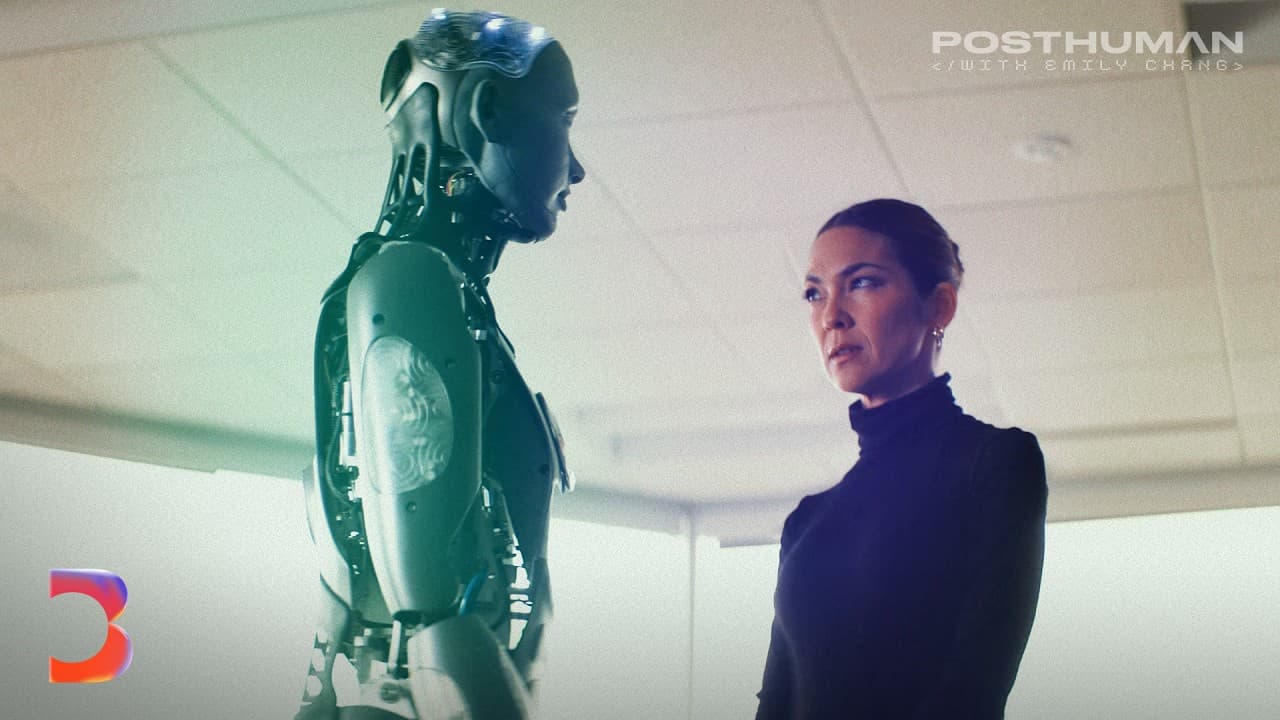
- Robots like Ameca aim to foster human-robot connections, utilizing facial expressions to evoke empathy, though true human emotions remain absent.
- Self-awareness in robots is in its infancy but is expected to grow, presenting a scientific challenge akin to creating life or a mind.
- Robots' physical capabilities lag behind their cognitive advancements, posing challenges in replicating human-like movement and interaction with the physical world.
- The introduction of robots in dangerous or undesirable jobs sparks debates on their role as tools versus threats to employment.
- AI's rise in robotics integrates diverse data sources, enhancing decision-making and interaction, while raising ethical concerns about autonomous weaponry.
- The pursuit of AGI prompts philosophical inquiries into human identity and the ethical programming of AI systems, particularly in life-and-death scenarios.
Install to Summarize YouTube Videos and Get Transcripts
Explore YouTube Video Summarizer or Get YouTube Transcript Extractor
Questions & Answers
Q: What parallels are drawn between past UFO fascinations and current robotic innovations?
The video draws parallels between the 1950s obsession with UFOs and today's intrigue with robots, highlighting a recurring theme of fascination and fear regarding advanced technology's impact on humanity. Just as people once speculated about aliens' intentions, we now ponder the roles and capabilities of humanoid robots in our lives.
Q: How do robots like Ameca aim to connect with humans?
Robots like Ameca are designed to foster connections with humans by utilizing facial expressions to evoke empathy and create a sense of relationship. While Ameca can simulate emotions through facial cues and language models, true human emotions remain absent, highlighting the complexity of replicating authentic human-like interactions.
Q: What challenges do robots face in replicating human-like movement?
Robots face significant challenges in replicating human-like movement due to the complexity of physical interaction with the world. While cognitive advancements in AI are progressing, the development of robots' physical capabilities, such as balance and agility, lags behind, making tasks like backflips or navigating new environments difficult to master.
Q: What ethical concerns arise with the rise of AI in robotics?
The rise of AI in robotics raises ethical concerns, particularly regarding the use of autonomous weapons and the programming of AI systems in moral decision-making. As robots become more intelligent, questions arise about their role in life-and-death scenarios and the potential consequences of delegating critical decisions to machines.
Q: How does the pursuit of AGI prompt philosophical inquiries into human identity?
The pursuit of AGI prompts philosophical inquiries into human identity by challenging our understanding of intelligence and consciousness. As we create machines that imitate human capabilities, we are forced to reconsider what it means to be human and how we define intelligence, raising questions about the ethical implications of synthetic species.
Q: What roles are robots expected to play in hazardous or undesirable jobs?
Robots are expected to play significant roles in hazardous or undesirable jobs, offering solutions where human safety is at risk. By taking on tasks in dangerous environments, such as legacy facilities, robots can reduce human exposure to harm, although this also sparks debates about their impact on employment and their perception as either tools or threats.
Q: How do large AI technologies enhance decision-making in robotics?
Large AI technologies enhance decision-making in robotics by integrating diverse data sources, such as written documents and videos, to inform robots' interactions with the world. This data-driven approach allows robots to make informed decisions and perform complex tasks, although it also raises concerns about the ethical programming and potential misuse of AI systems.
Q: What is the significance of the trolley problem in the context of AI systems?
The trolley problem is significant in the context of AI systems as it illustrates the complexity of programming ethical decision-making into machines. As AI systems are tasked with making moral choices, society must decide on the appropriate ethical frameworks to guide these decisions, highlighting the challenges of aligning machine logic with human values.
Summary & Key Takeaways
-
The video explores the potential of robots to transform human life, drawing parallels between past UFO fascinations and current robotic innovations. It delves into the capabilities of humanoid robots and their potential roles in society, raising ethical questions about their integration.
-
Robots like Ameca, designed to evoke empathy through facial expressions, challenge our perceptions of intelligence and self-awareness, while the physical replication of human abilities remains a complex hurdle. The video examines the impact of robots on employment and their use in hazardous environments.
-
The rise of AI in robotics raises ethical concerns, particularly regarding autonomous weapons and the programming of AI systems in moral decision-making. The pursuit of AGI prompts philosophical inquiries into human identity and the potential consequences of creating a synthetic species.
Read in Other Languages (beta)
Share This Summary 📚
Summarize YouTube Videos and Get Video Transcripts with 1-Click
Try YouTube Summary with ChatGPT & Claude or YouTube Transcript Generator
Explore More Summaries from Bloomberg Originals 📚






Summarize YouTube Videos and Get Video Transcripts with 1-Click
Try YouTube Summary with ChatGPT & Claude or YouTube Transcript Generator