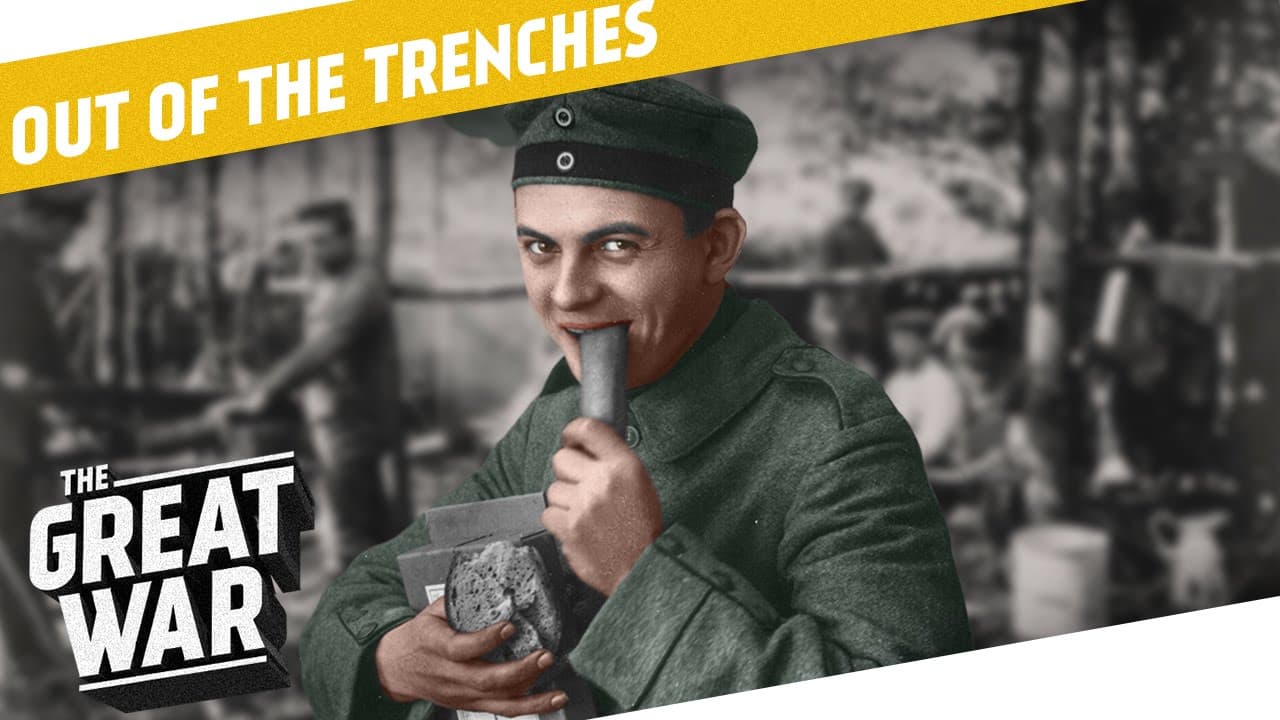
What was the Food like at the Front?I OUT OF THE TRENCHES
TL;DR
Discussion on WWI food and roles of Andorra and Iceland.
Transcript
Hi, I'm Indie Naidell and this is another exciting episode of Out of the Trenches where I sit here in a chair of wisdom and answer all of your questions about the First World War. Sadrris from Patreon asks, "Did and Pandora or Iceland participate in the war in any capacity?" Um, in August 1914, Andor, which is the tiny yellow spot behind my ear whe... Read More
Key Insights
- Andorra declared war on Germany in 1914 but had a minimal military presence, consisting of only 10 part-time soldiers without live ammunition.
- Andorra was not invited to the Versailles peace treaty and remained technically at war with Germany until 1939.
- Iceland, under Danish rule during WWI, faced food shortages but avoided famine due to continued trade with Britain.
- Over a thousand Icelandic Americans and Canadians, many originally from Iceland, participated in WWI despite Iceland having no army.
- Food quality and availability for soldiers varied greatly depending on their location and national army, with those at the front lines often receiving the least.
- German wartime food included items like pea soup tablets and goulash cannon, highlighting the monotony of army food.
- Soldiers often received better food, including meat and alcohol, before major battles, which was seen as a bad omen.
- Personal anecdotes, like those found in the book 'Palloo' by French soldier Louie Bartas, offer unique insights into individual wartime experiences.
Install to Summarize YouTube Videos and Get Transcripts
Explore YouTube Video Summarizer or Get YouTube Transcript Extractor
Questions & Answers
Q: What role did Andorra play in WWI?
Andorra declared war on Germany in 1914 but had a negligible military presence, with only 10 part-time soldiers who lacked live ammunition. Due to financial constraints, Andorra's army was largely ceremonial. The nation was not invited to the Versailles peace treaty and remained technically at war with Germany until 1939.
Q: How did Iceland participate in WWI?
Iceland was under Danish rule during WWI and did not have its own army. However, it faced food shortages due to its isolation, although it avoided famine through trade with Britain. Additionally, over a thousand Icelandic Americans and Canadians, many originally from Iceland, fought in the war.
Q: What was the quality of food like for soldiers at the front?
Food quality for soldiers at the front varied significantly. Those at the front lines were furthest from field kitchens, often receiving less food. German soldiers had items like pea soup tablets and goulash cannon, symbolizing the monotony of army food. Better food before battles was often a bad omen.
Q: What is the significance of the book 'Palloo'?
The book 'Palloo' by French soldier Louie Bartas provides personal anecdotes from WWI, offering unique insights into individual experiences. It captures the human aspect of war, detailing the daily lives and struggles of soldiers, which can be more impactful than broader historical narratives.
Q: How did Andorra finance its military during WWI?
Andorra did not have an income tax to finance a military, resulting in a minimal army of 10 part-time soldiers who carried only blank cartridges. The soldiers' uniforms were passed down through generations. This lack of funding meant Andorra's military involvement in WWI was largely symbolic.
Q: What were some unique German wartime foods?
German soldiers during WWI had unique food items like pea soup tablets, which were not actual sausages but could be used to make soup. The 'goulash cannon' became a symbol of the monotony of army food and remains a part of German vocabulary today.
Q: Why was better food before battles considered a bad omen?
Soldiers often received better food, such as meat and alcohol, before major battles. This was seen as a bad omen because it indicated that a significant and potentially deadly engagement was imminent, making soldiers wary of the improved provisions.
Q: How did Iceland's political status affect its WWI participation?
Iceland was part of neutral Denmark during WWI and only gained full independence in 1918, after the war. Its political status meant it did not have its own army, but Icelandic individuals still participated in the war through service in allied countries' forces.
Summary & Key Takeaways
-
The video explores the roles of Andorra and Iceland during WWI, highlighting Andorra's minimal military involvement and Iceland's food challenges due to isolation.
-
WWI soldiers' food quality varied, with front-line troops often facing shortages. German soldiers had unique food items like pea soup tablets.
-
Personal wartime experiences, such as those in Louie Bartas' 'Palloo,' provide valuable insights into individual perspectives during WWI.
Read in Other Languages (beta)
Share This Summary 📚
Summarize YouTube Videos and Get Video Transcripts with 1-Click
Try YouTube Summary with ChatGPT & Claude or YouTube Transcript Generator
Explore More Summaries from The Great War 📚
Summarize YouTube Videos and Get Video Transcripts with 1-Click
Try YouTube Summary with ChatGPT & Claude or YouTube Transcript Generator