How Is Employee Surveillance Software Changing Work?
TL;DR
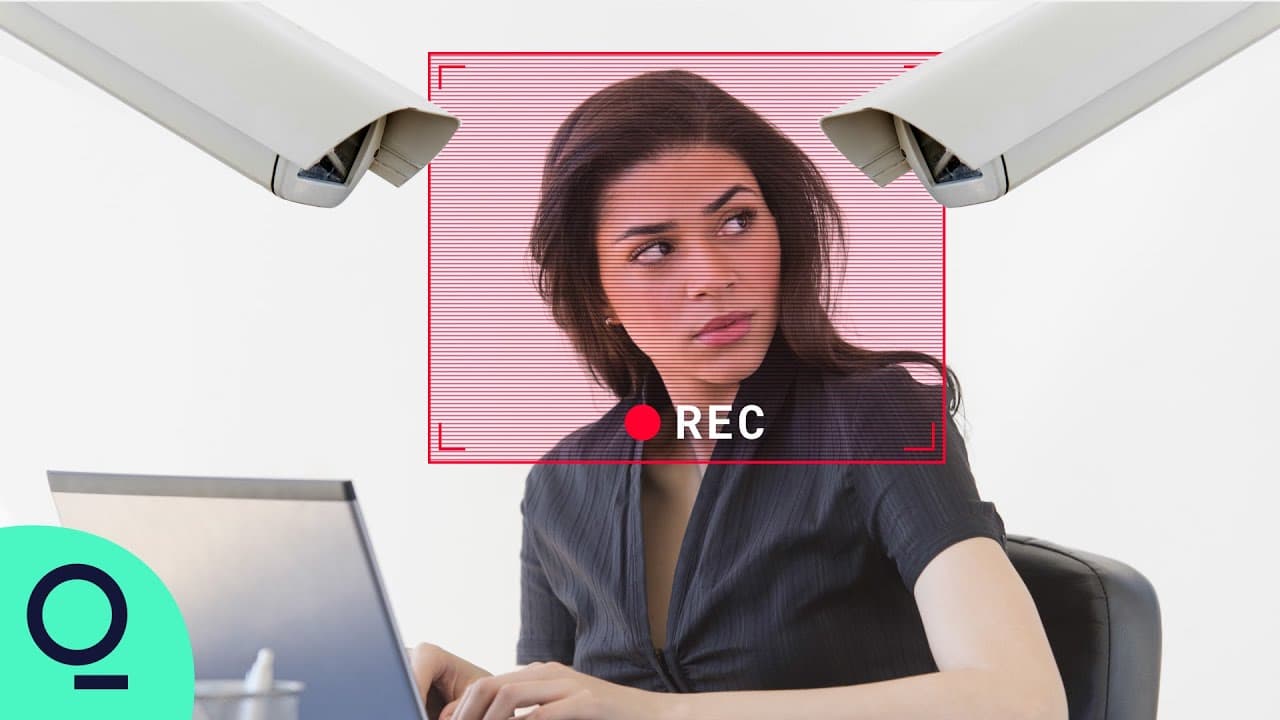
Employee surveillance software, often called 'Bossware', has surged during the pandemic as remote work becomes widespread, enabling employers to monitor productivity and attendance. While this can provide employees with job flexibility, it raises significant privacy and ethical concerns about trust and power dynamics in the workplace.
Transcript
so i've had this problem for a really long time where i find myself just getting sucked into my phone i think it's just for a few seconds here and there to look at a headline but in reality it looks a little more like this it's not a great look and honestly i'd like to set a better example for my kids recently in order to try to break me this habit... Read More
Key Insights
- Employee surveillance, referred to as 'Bossware', has significantly increased with the shift to remote work during the pandemic, allowing employers to track productivity and attendance.
- Bossware tools not only monitor high-level activity such as app usage and internet browsing but can also capture screenshots, log keystrokes, and potentially access webcams and microphones.
- The legality of employee surveillance hinges on disclosure; employers must inform employees that monitoring is taking place, though this practice raises concerns about privacy and power imbalances.
- Surveillance software providers like InterGuard offer dashboards that allow managers to view employee activity, categorize productivity levels, and flag suspicious behavior, aiming to recreate in-office oversight.
- Marie Gervais, CEO of Shift Management, emphasizes that transparency and intent are crucial when implementing surveillance; focusing solely on catching mistakes can harm productivity and creativity.
- The misuse of surveillance software can lead to a lack of trust and a detrimental work environment, as illustrated by an employee's negative experience with excessive monitoring.
- Despite potential drawbacks, some employees may accept surveillance as a trade-off for the flexibility of remote work, indicating a shift in workplace norms post-pandemic.
- The future of work is likely to see increased use of surveillance software, necessitating discussions about privacy rights and the balance between monitoring and employee autonomy.
Install to Summarize YouTube Videos and Get Transcripts
Explore YouTube Video Summarizer or Get YouTube Transcript Extractor
Questions & Answers
Q: What is 'Bossware' and why has it become more prevalent?
Bossware refers to employee surveillance software that monitors and analyzes workers' activities on their computers. Its prevalence has surged due to the pandemic-induced shift to remote work, as employers seek to maintain oversight and measure productivity outside the traditional office environment.
Q: How does Bossware monitor employee activity?
Bossware tools track various activities such as app usage, internet browsing, and keystrokes. They can capture screenshots, log every key pressed, and in some cases, access webcams and microphones. This comprehensive monitoring aims to recreate the oversight traditionally achieved in physical office spaces.
Q: What legal considerations are involved in employee surveillance?
Legally, employers must disclose the use of surveillance tools to employees. While monitoring is permissible, it raises significant privacy concerns and highlights power imbalances between employers and employees, as the collected data can be used in ways that may not align with employees' interests.
Q: What are the potential drawbacks of using surveillance software?
The misuse of surveillance software can lead to a lack of trust and a negative work environment. Employees may feel micromanaged and fearful of making mistakes, which can stifle creativity and productivity. Excessive monitoring can also result in employees feeling dehumanized and undervalued.
Q: How can employers implement surveillance software responsibly?
Employers should prioritize transparency by clearly communicating the purpose and scope of surveillance to employees. Intent matters; focusing on improving productivity and offering support rather than solely catching mistakes can foster a more positive and trusting workplace culture.
Q: What impact does surveillance have on employee behavior?
Knowing they are being monitored can alter employee behavior, often making them more cautious and less willing to take risks. While this might increase compliance, it can also hinder creativity and innovation, as employees may prioritize meeting surveillance metrics over genuine productivity.
Q: How does surveillance software affect remote work dynamics?
Surveillance software can create a trade-off where employees accept monitoring in exchange for the flexibility of remote work. However, it also challenges traditional notions of privacy and autonomy, requiring a reevaluation of workplace norms and employee rights in a remote work context.
Q: What is the future outlook for surveillance in the workplace?
As remote work becomes more common, the use of surveillance software is likely to increase. This trend necessitates ongoing discussions about balancing productivity monitoring with privacy rights, ensuring that employee autonomy is respected while meeting organizational goals in a data-driven world.
Summary & Key Takeaways
-
The rise of employee surveillance software, or 'Bossware', has been accelerated by the pandemic-induced shift to remote work. This technology allows employers to monitor and analyze employee productivity, raising privacy concerns. While some employees may accept this trade-off for remote work flexibility, the implications for privacy and workplace culture are significant.
-
Bossware tools can track a range of activities, from app usage to keystrokes, and even access webcams and microphones. Legally, employers must disclose this monitoring, but the practice exacerbates power imbalances and raises ethical questions about privacy and trust in the workplace.
-
Experts like Marie Gervais advocate for transparency and intent when implementing surveillance software. Misuse can harm productivity and trust, as seen in cases where excessive monitoring led to negative employee experiences. The future of work will likely involve more surveillance, prompting a reevaluation of privacy rights and workplace norms.
Read in Other Languages (beta)
Share This Summary 📚
Summarize YouTube Videos and Get Video Transcripts with 1-Click
Try YouTube Summary with ChatGPT & Claude or YouTube Transcript Generator
Explore More Summaries from Bloomberg Originals 📚






Summarize YouTube Videos and Get Video Transcripts with 1-Click
Try YouTube Summary with ChatGPT & Claude or YouTube Transcript Generator